Battle Mountain High School Sends Seven Athletes to College
Seven Battle Mountain athletes signed letters of intent to play college sports, showcasing the school's strong community support and coaching infrastructure.
Aspen —Seven Battle Mountain athletes just signed letters of intent to play college sports. They’re heading to NCAA Divisions I, II, and III. It’s a standard high school sports story, the kind you see in every valley from Aspen to Glenwood Springs. But if you look closer at the list of names and the schools they’re joining, the story isn’t just about athletic talent. It’s about a specific kind of community support that’s rare in a school of this size.
The obvious take is that these kids are good athletes. The numbers back that up. Jakob Methvin scored 81 goals in four years. Thea Armistead led her team in assists. Jack Reed hit .500. But the real story here is how a small-town high school in the Eagle County foothills is producing Division I talent that can compete on a national stage.
“We are grateful to have such a strong and supportive community,” athletic director Zachary Holden said at the Feb. 11 signing event. “They will forever be a part of the Husky family, and we all look forward to cheering them on at the next level.”
That’s the polite version. The actual mechanism behind this success is more granular. It’s about individual coaching relationships that stretch back years, not just four-year varsity stints. Take Methvin. He didn’t just play for Battle Mountain; he left early to play in Europe before heading to the University of California at Santa Barbara. That’s a logistical and financial leap for a kid from Edwards.
“Jakob is quite simply, the best player we have ever had,” longtime coach Dave Cope said. But Cope didn’t just point to the stats. He pointed to the work ethic. “What made Jakob stand out when UCSB flew out here to watch him play was his commitment to his teammates.”
That’s the detail locals might miss if they’re just scanning the headlines. UCSB didn’t just send a scout; they flew out. They watched him play. They saw a two-way player who could score, assist, and defend. That’s not luck. That’s a recruitment strategy built on visibility.
Then there’s Thea Armistead. She’s headed to Clarkson University in New York. She was a team captain who led the Huskies to a 10-4-1 record. Head coach Lauren Lux called her a “midfield engine.” That’s not just a compliment; it’s a tactical description. Armistead covered ground. She created chances. She tallied 14 assists. Clarkson isn’t a small school. It’s a Division I program in the Northeast. Getting there from Battle Mountain requires more than just showing up to practice.
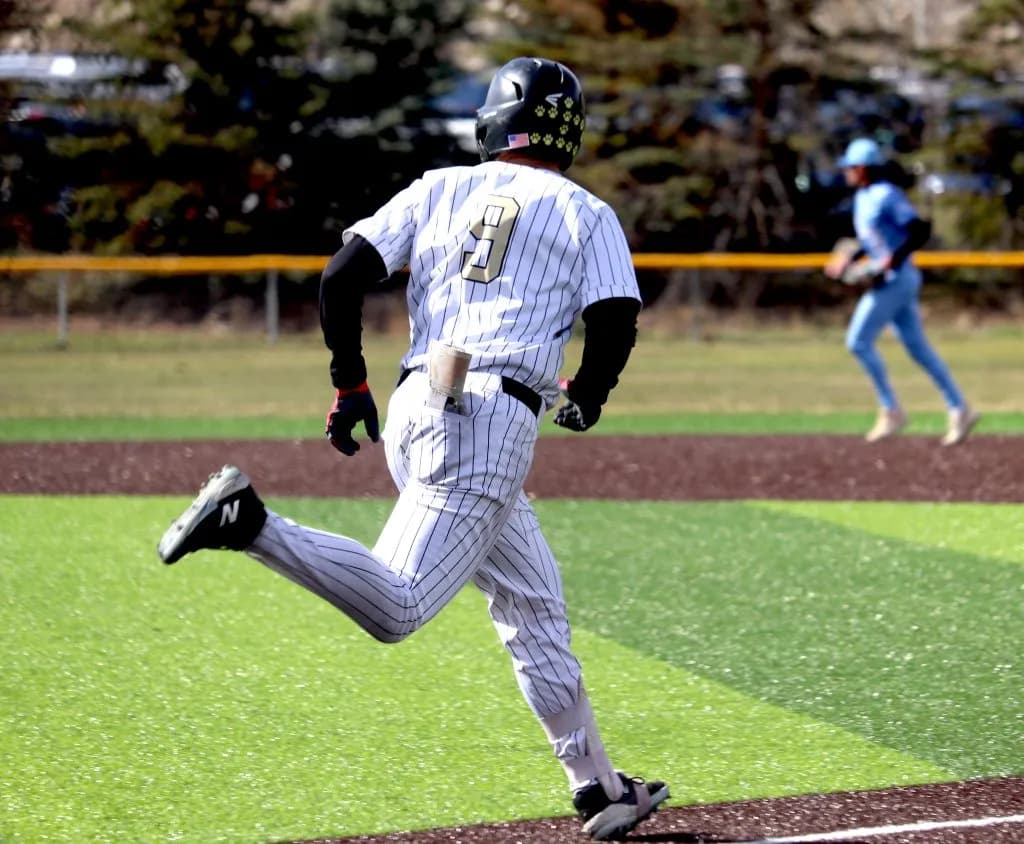
Jack Reed is bound for Macalester College in Minnesota for baseball. He hit .500 with two home runs. He also went 3-2 on the mound with 46 strikeouts in 27 innings. That’s a dual-threat profile. Jeff Townsend, who coached him from before high school through his varsity career, noted that Reed’s growth wasn’t just athletic. It was personal. “Jack has grown into a leader of our team,” Townsend said. “His athleticism, love for the game and work ethic has allowed him to succeed at the high school level and will propel him to success at the college level.”
William Morrison is off to Mars Hill University in North Carolina for golf. He placed 12th in the 3A state championships. That’s a top-tier finish for a school that doesn’t have a massive athletic budget.
The question is whether this trend continues. Seven athletes signing in one year is a spike. But it’s not an anomaly if the infrastructure holds. The community is there. The coaches are staying. The visibility is increasing.
Holden summed it up best. “We are excited to watch these student-athletes represent Battle Mountain High School as they take the next step in their journeys.”
It’s a nice sentiment. But the reality is that these kids are leaving a small town to compete in big conferences. Methvin is heading to the Big West. Armistead is joining the Northeast Conference. Reed is bound for the Minnesota Intercollegiate Athletic Conference. They’re not just playing for pride anymore. They’re playing for scholarships, for exposure, for a future that looks nothing like the commute down Highway 6.
Whether the next class matches this output remains to be seen. But for now, the Huskies are doing something right. They’re producing athletes who can handle the jump. And that’s worth celebrating, even if it means the rest of us have to look up flight schedules to watch them play.
Keep up with Aspen
The day's Western Slope news, one email each morning. Free.

NWRM CASA Honors Judge O’Hara and Founders at 15th Anniversary
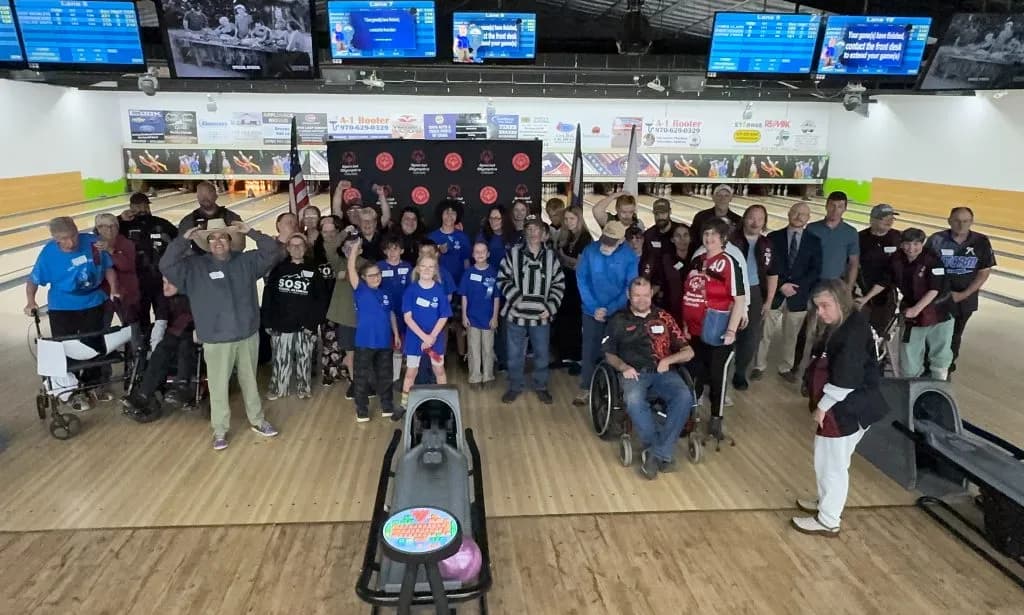
Craig Hosts Only Regional Special Olympics Bowling Competition