Colorado Mountain College Uses WWII Shadow Box to Teach Civic Duty
Colorado Mountain College highlights WWII veteran Harry Gianneschi’s humble service through a shadow box display, aiming to restore deep civic engagement and gratitude in students across the Western Slope.
Glenwood Springs —Harry Gianneschi never put a “these colors don’t run” sticker on his truck. He didn’t wear an American flag pin on his lapel either. He just worked, served in the 10th Mountain Division, and raised his family in the shadow of the Rockies.
That’s the kind of patriotism Colorado Mountain College is trying to resurrect in a column published this week. The author, a history professor, spent months assembling a shadow box of Gianneschi’s WWII insignia. It wasn’t a marketing campaign. It was a “to-do” list item that finally got done before Memorial Day.
The grandfather was a ski trooper who trained at Camp Hale outside Leadville. He assaulted Riva Ridge and Mt. Belvedere in Italy. Those were brutal campaigns. The 10th Mountain Division took heavy casualties to crack the Gustav Line. Yet Gianneschi, orphaned at 12 and forced to drop out of fifth grade, called it “A Blessed Journey.”
He didn’t feel resentful about being poor, Italian-immigrant, and barely educated. He felt grateful.
The column argues that this quiet, humble patriotism is missing from the current generation. It’s being replaced by loud, performative displays of nationalism. The article points out that true patriotism doesn’t need a bumper sticker to prove it exists. It’s in the service. It’s in the gratitude.
Colorado Mountain College is taking this seriously. The entire college gathered in Aspen recently. They didn’t just party. They discussed civics. They’re trying to bridge the gap between the immigrant experience of the past and the civic engagement of the present.
Let’s look at the numbers. The college has more than 400 individuals involved in this push. That’s a significant chunk of the student and faculty body in a system that serves multiple counties across the Western Slope. It’s not just an Aspen thing. It’s a Vail, Glenwood Springs, and Grand Junction thing.
The author notes that Gianneschi’s handwritten autobiography revealed details he never shared while alive. Most veterans don’t talk about the war. They don’t want to relive the trauma. But they also don’t want their sacrifice to be forgotten. The column suggests that by understanding the personal stories of veterans like Gianneschi, we can restore a deeper love for the country.
It’s not about politics. It’s about history. It’s about recognizing that the freedom being celebrated on Memorial Day was bought with blood, often by people who couldn’t even afford to finish high school.
The article mentions that Gianneschi’s parents saw the Statue of Liberty when they entered through Ellis Island. They were part of the “huddled masses.” The column argues that this nation has always welcomed those masses. It has always provided opportunity. The challenge now is ensuring that the next generation understands that connection.
The college’s approach isn’t just theoretical. It’s practical. They’re using the physical artifacts — the medals, the pins, the shirts — to tell the story. They’re using the words of the veterans themselves. It’s a direct line from the past to the present.
For locals, this matters. It changes how we view our own history. It alters how we teach our kids. It shifts how we spend our tax dollars on education. If the college can instill this sense of civic duty in its students, it could have a long-term impact on the community.
The column doesn’t offer a solution to every problem. It doesn’t promise to fix the economy or the schools. It just asks us to remember. To look at the shadow box. To read the autobiography. To understand that patriotism isn’t a sticker. It’s a journey.
And for context, that shadow box cost the author six months of procrastination. But it resulted in a clearer understanding of what it means to be American. That’s a return on investment most of us can’t match.
Keep up with Glenwood Springs
The day's Western Slope news, one email each morning. Free.
NWRM CASA Honors Judge O’Hara and Founders at 15th Anniversary
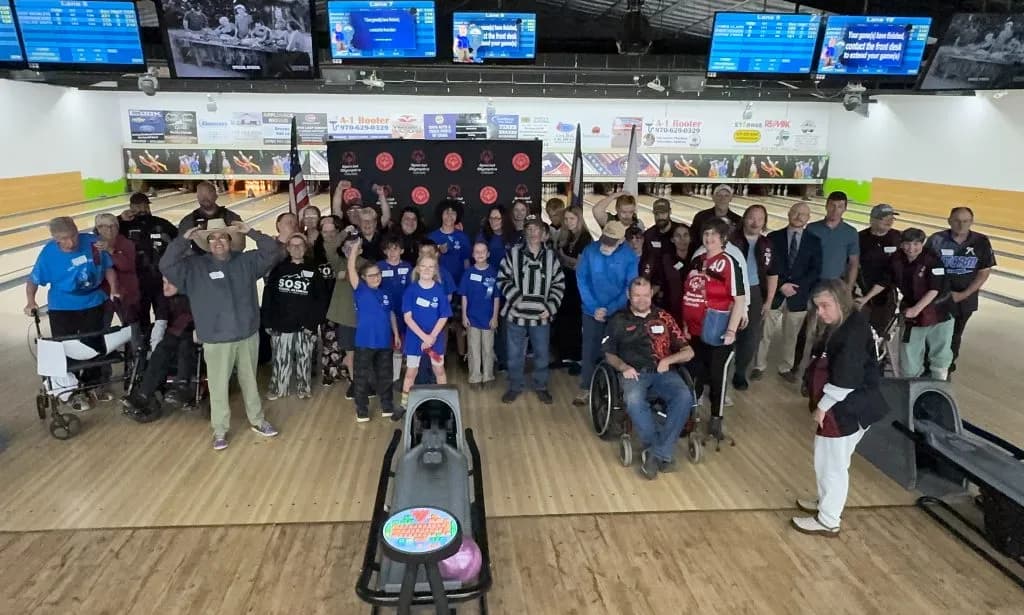
Craig Hosts Only Regional Special Olympics Bowling Competition