Sen. Dylan Roberts Says Stream Access Bill Stalled in Colorado
Sen. Dylan Roberts reports that no stream access legislation was introduced during the 120-day session, leaving Colorado river runners waiting for clarity on trespassing rights over private land.
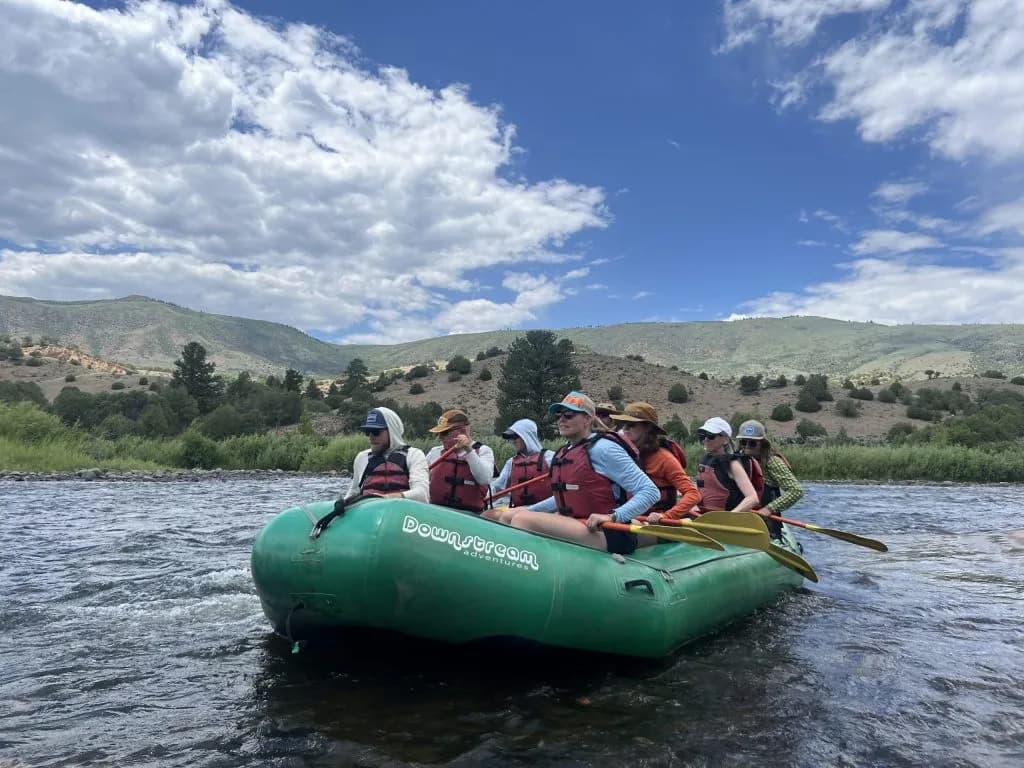
Glenwood Springs —The raft hit the gravel bar near Kremmling, and the water lapped against the hull. Sen. Dylan Roberts stood up, balancing carefully on the shifting stones, looking out at the Colorado River cutting through the canyon. It was supposed to be a persuasive moment. A coalition of outdoor advocates had hauled legislators onto the water to show them, firsthand, why the public should have clearer rights to float on rivers that cut through private land.
They got the ride. They didn’t get the bill.
Over the course of Colorado’s 120-day legislative session, no stream access legislation was introduced. The compromise lawmakers had been hunting for never materialized. The debate has drifted beyond 2026, leaving locals and river runners waiting for a resolution that feels increasingly distant.
“I was hoping that we could get to a place where both sides could come to some type of an agreement,” Roberts said. “That proved to not be there.”
The Frisco Democrat noted that if a bill does eventually surface, it won’t be a quiet procedural vote. It will be a big conversation, fueled by opposition and passion. But right now, the silence from the Capitol is deafening for folks who spend their weekends on the water.
River rafters have been pushing for a specific legal shield: immunity from trespassing charges for floaters who touch privately owned riverbeds and banks to help with navigation. It’s a tailored solution designed to avoid the longstanding, bloody fight over whether riverbeds should be public or private property. The goal was simple. Let people float. Don’t sue them if their foot slips on a rock that belongs to a rancher.
Landowner groups aren’t buying it. They argue that throwing more laws at the problem only breeds conflict. They prefer the status quo: agreements made directly between landowners and river users. It’s the way it’s always been done, they say.
“The legislature is a very difficult space to have that kind of dialogue, especially once a bill gets formed, then it becomes a fight,” Lesli Allison, executive director of the Western Landowners Alliance, said.
It’s a familiar refrain. The last time lawmakers tried this in 2010, they passed a “right to float” bill. It shielded rafters from trespassing if they touched the bed or banks of rivers that had already been commercially floated. But it failed. Hundreds showed up at the Capitol. Testimony stretched for hours. Landowners raised property rights concerns. Wading supporters argued the bill was too narrow, ignoring the need for broader public ownership of riverbeds.
Now, the coalition is split again.
Not long after that river trip last summer, the stream access group fractured into two camps. One side, driven largely by anglers, focused on the right to wade. The other concentrated on the right to float. They’re both looking for clarity, but they’re looking for different things.
For the Western Slope, this isn’t just about politics in Denver. It’s about who owns the water that runs past your driveway. It’s about whether you can launch your kayak without worrying about a trespass notice from the guy who bought the land downstream. The river doesn’t care about property lines, but the law does. And right now, the law is stuck.
Roberts put it plainly. If a bill comes, it will be contentious. But until then, the river keeps flowing, and the question of who owns the space beneath your feet remains unanswered.
Keep up with Glenwood Springs
The day's Western Slope news, one email each morning. Free.