Colorado Democrats Kill Data Center, Immigration, and Price Gouging Bills
Analysis of the 2026 Colorado General Assembly session reveals that internal Democratic feuds killed key bills on data centers, immigration enforcement, and price gouging, leaving the regulatory status quo unchanged for local taxpayers.
Colorado —A $14 million project. Twelve units. That’s the kind of specific, localized cost that gets buried under the broad strokes of state-level political theater. But if you’re trying to figure out how the 2026 legislative session in Denver actually impacts the folks living here on the Western Slope, you have to look past the headline-grabbing bills and see what actually survived the chopping block.
The Colorado General Assembly wrapped up its 120-day session, and while the air conditioning in the Capitol was likely cranked high, the political temperature was anything but cool. The Colorado Capitol News Alliance sifted through the chaos of hundreds of bills and long hours of debate to find the six biggest themes. For us, the ones commuting down I-70 or worrying about property taxes, the real story isn’t just what passed — it’s what died because Democrats couldn’t agree with themselves.
Take data centers. That’s the buzzword du jour for energy consumption and grid strain. On paper, it sounds like a straightforward infrastructure play. In practice, it was a mess. You had Rep. Alex Valdez pushing a bill for tax incentives for tech companies, and Sen. Cathy Kipp pushing one for strict environmental protections. Both were big. Both were important. Both died. Why? Because the interest groups couldn’t come to a consensus after months of negotiation. So, we’re left with the status quo: more energy demand, fewer incentives, and no new regulatory teeth. That’s a win for efficiency, maybe, but a loss for anyone hoping for a clear roadmap on how these facilities will actually fit into our local grid.
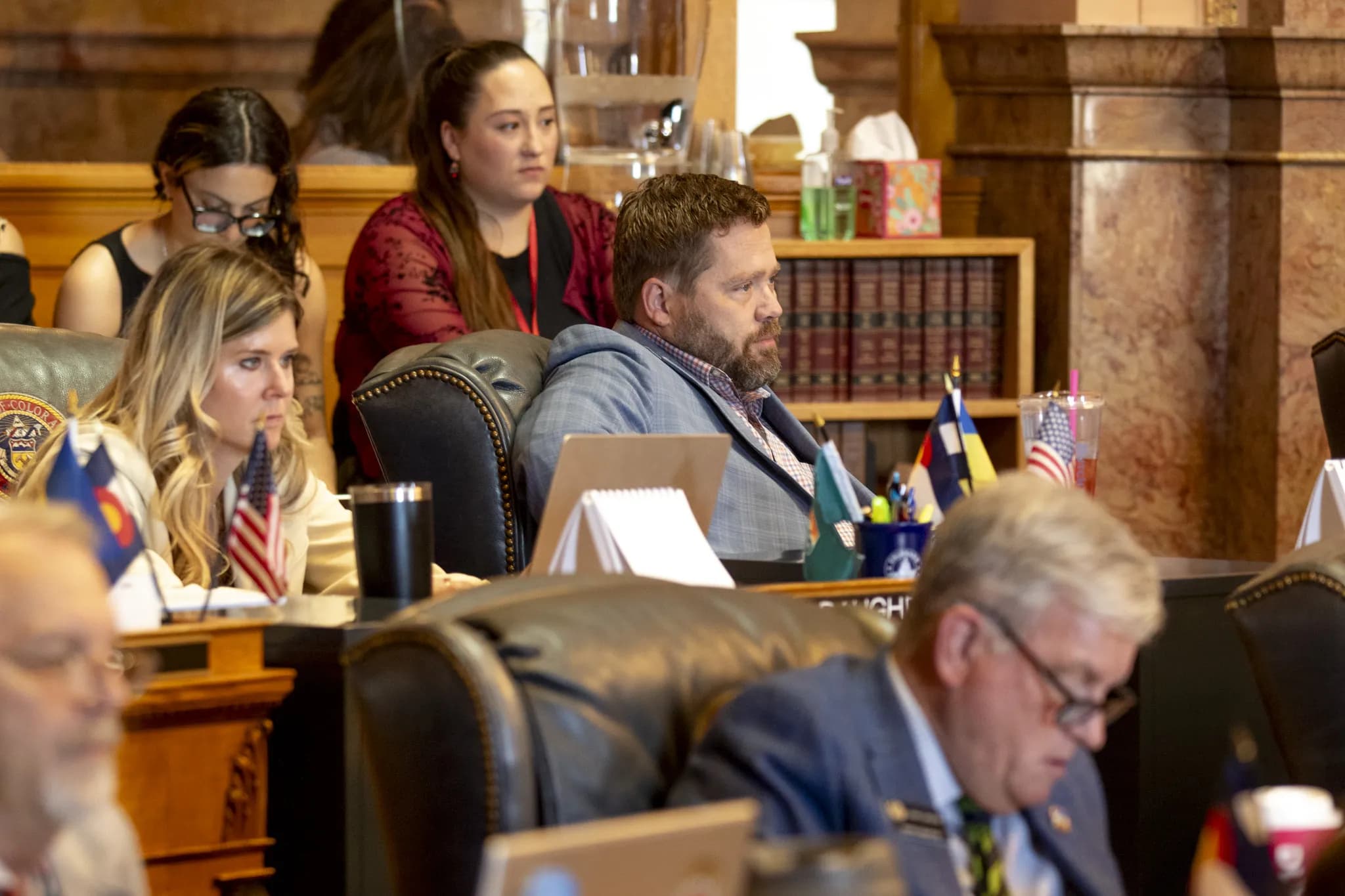
Then there’s immigration enforcement. A bill to force local police officers to intervene when federal agents used excessive force died in committee. It wasn’t a Republican veto. It was two Democrats — Rep. Chad Clifford of Centennial and Rep. Cecelia Espenoza of Denver, joining the GOP to kill it. That’s a direct signal from the state level to local sheriffs and police chiefs across the state, including ours. If federal agents go hard, local cops aren’t required to step in. It’s a subtle shift in power dynamics that affects how we handle those federal knock-on-the-door moments.
Price gouging is another one. Legislation to prevent businesses from charging high prices didn’t make it, killed by three Democrats; Clifford, Espenoza, and Rep. Michael Carter of Aurora - who flipped with Republicans. So, if you’re buying lumber or gas during a shortage, don’t expect a state-mandated cap to save you. The market decides.
The tension within the Democratic Party is the real engine here. It’s not just red vs. blue; it’s the moderate Opportunity Caucus vs. the liberal faction. They feuded over fundraising, influence, and whether nonprofit caucuses should have to reveal their donors. A bill to force that transparency fell apart. Nothing passed. We’re left with opaque funding streams and a legislature that looks unified on the surface but is deeply fractured underneath.
Let’s do the math on what this means for you. When bills die because of internal squabbles, nothing changes. The cost of doing business remains high. The regulatory environment stays uncertain. And the taxpayers? They pay the same, get the same services, and deal with the same infrastructure headaches. There’s no magic bullet here. Just more of the same, managed by people who can’t even agree on who pays for what.
Keep up with Colorado
The day's Western Slope news, one email each morning. Free.


Federal Report Sets 200,000 Acre-Foot Water Conservation Target for Upper Basin

Colorado Parks and Wildlife Deploys Precision Drones for Weed Control