Silver Plume Spends $1.4M to Protect 650 Acres for 210 Residents
Silver Plume spent nearly $1.4 million to secure 650 acres of mining claims, providing over three acres of protected land per resident and safeguarding winter bighorn sheep habitat.
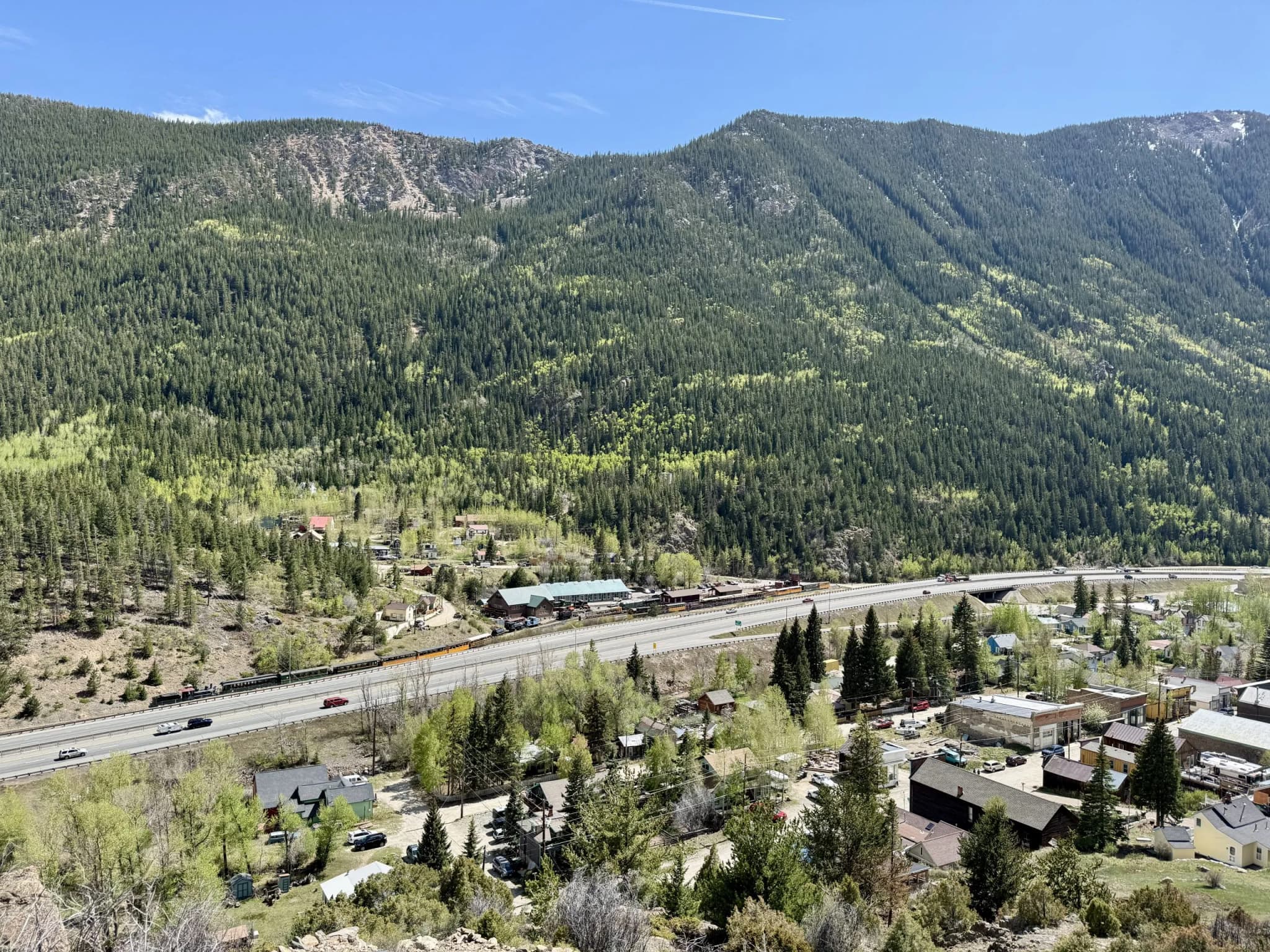
Colorado —Silver Plume has protected more than 3 acres of land for every one of its 210 residents.
That is the headline number from the town’s latest conservation win. It sounds like a statistic designed for a brochure. It isn’t. It is the result of a relentless, multi-year accumulation of cash and political will in a village that sits precariously on both sides of Interstate 70.
The latest acquisition adds 350 acres to the existing Silver Plume Mountain Park. The land sits on Republican Mountain, directly above the town. It includes 122 mining claims. The deal closed earlier this month.
The math is simple. The town now controls roughly 650 acres of protected territory. Divide that by the population, and you get just over three acres per person.
This isn’t new money. It’s old money, spent carefully.
The foundation was laid in the early 1990s. The Bureau of LML transferred 3,200 acres to the Historic District Public Lands Commission. Silver Plume got its slice — about 600 acres. But the real pressure came from below. Mining claims dot the landscape. They threaten to turn historic steep terrain into open-pit scars or, worse, private playgrounds for developers who see nothing but mineral rights.
In 2022, the town spent $500,000. That bought 200 acres, including 95 Jack Pine mining claims. The sellers were a family that had held the deeds for generations. The money came from the town’s coffers and local partners. The result was permanent. No more mining. No more development on that specific stretch of steep slope inside the Georgetown–Silver Plume National Historic Landmark District.
But the town didn’t stop.
Over the last year, officials rallied a coalition. They pulled in the Clear Creek County Open Space Commission. They tapped the Colorado Historical Foundation. They leaned on Great Outdoors Colorado (GOCO). Dozens of individuals and advocacy groups pitched in.
The total haul? Nearly $900,000.
GOCO kicked it off with $300,000 in December. The rest came from the private sale of the Taylor-Kennedy mining claims. The buyer? The town. The goal? To permanently remove the threat of roads and development from high-altitude parcels.
Why does that matter? Because that is where the Georgetown bighorn sheep herd spends its winters.
"It’s hard enough just to maintain this trail," said Mark Morris. Morris is a pro skier. He lives in Silver Plume. He sits on the town’s mountain park commission. He was standing on the 7:30 Mine Trail in May 2026, kicking aside loose rocks.
The terrain is unforgiving. Loose rock covers the ground. Building new trails here would be a nightmare. The town isn’t trying to turn this into a ski resort or a subdivision. They are trying to keep it wild.
Claudia Culp helped organize the fundraising. She sees the logic clearly.
"People were very enthusiastic about this. It just makes sense to preserve what we have and not let it get ruined," Culp said.
The land likely won’t be developed for recreation either. The geology is unstable. The rock is loose. Even maintaining the existing 7:30 trail requires constant effort. It’s a two-mile path that winds up steep grades. The town installed QR-coded signposts along it. Hikers scan them for reflections on the region’s rich history. Halfway up, weathered timbers clog Cherokee Gulch.
The short version: Silver Plume is buying its future by locking down its past.
The town spent nearly $1.4 million in recent years alone to secure these acres. That is a lot of cash for a village of 210 people. It is also a lot of leverage against the next mining boom or infrastructure push that might try to cut a road through the sheep’s winter range.
The deal closes the loop on a strategy that started decades ago. The BLM transfer. The 2022 buyout. The 2026 acquisition. Each step tightened the noose on development.
Morris checks the century-old mining equipment off the trail. He knows the ground he walks on. He knows what it costs to keep it that way.
The question isn’t whether the land will be protected. It’s whether other towns can afford to do the same.
Keep up with Colorado
The day's Western Slope news, one email each morning. Free.

Federal Report Sets 200,000 Acre-Foot Water Conservation Target for Upper Basin

Colorado Parks and Wildlife Deploys Precision Drones for Weed Control