Gov. Polis Signs House Bill 1340 to Mandate Land Revegetation for Water Buyers
Gov. Jared Polis signs House Bill 1340, establishing that cities removing irrigation water from farmland must cover revegetation costs, a move aimed at protecting land near Swink from erosion and dust.
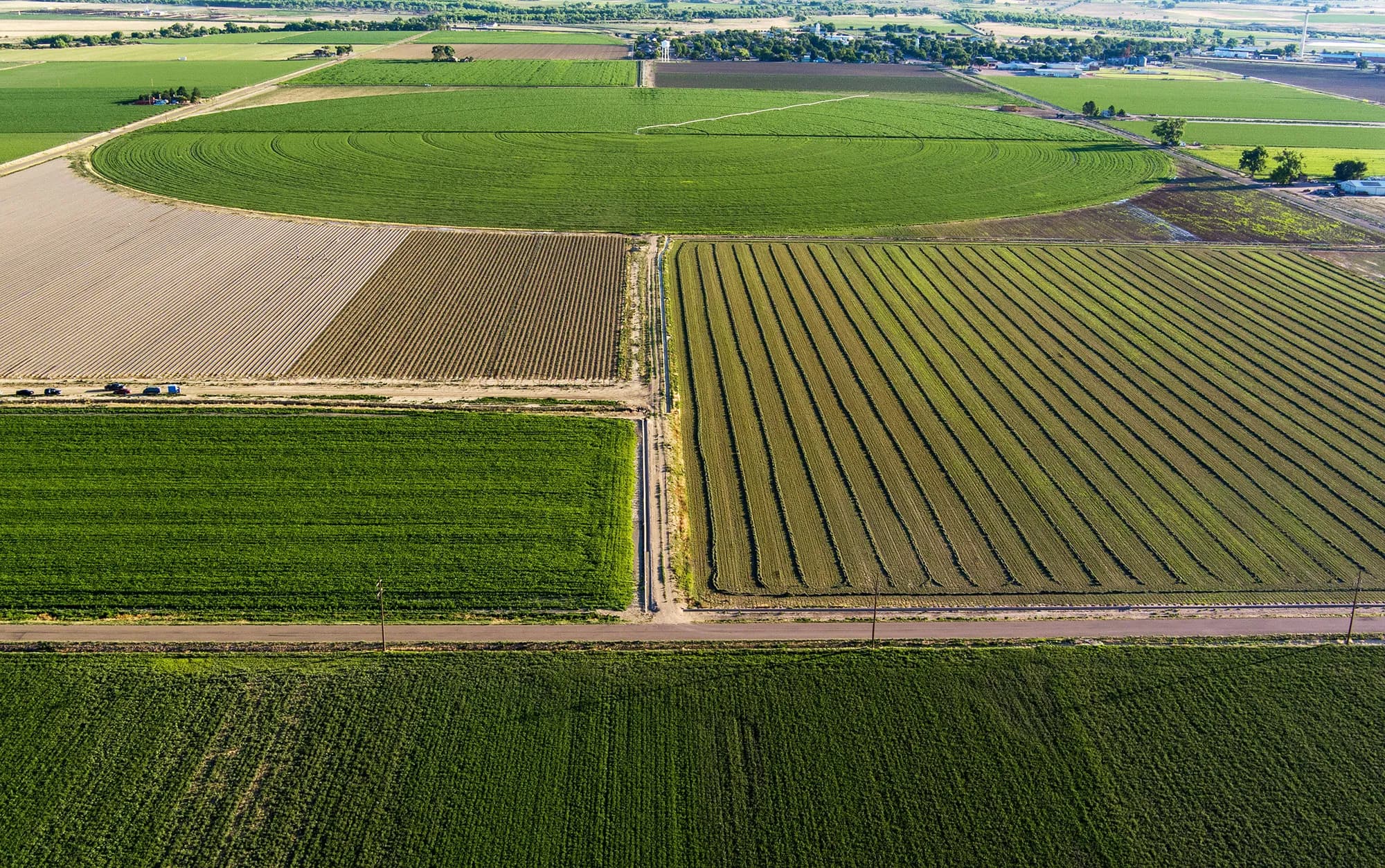
Colorado —“For the first time in Colorado, this new law establishes that when irrigation water is permanently removed from farmland for other uses, the responsibility to properly revegetate and reclaim that land belongs to the entity removing the water.”
Jack Goble, general manager of the Lower Arkansas Valley Water Conservancy District, didn’t just read those words from a podium; he lived them in the dust-choked fields near Swink, watching the water tables drop and the irrigation pivots slow their rotation. It’s a heavy sentence to carry, one that shifts the burden of ecological repair from the state or the county directly onto the shoulders of the cities buying the water, but it’s also the kind of accountability neighbors have been waiting for. Gov. Jared Polis is expected to sign House Bill 1340 into law, a measure that finalizes revegetation requirements along the lower river and sets a precedent that could ripple out to other basins across the state.
If you walk the fields near Swink, you can feel the tension in the soil. It’s not just about the water itself, but what happens to the ground once the water leaves. For years, the fear was that cities like Aurora and Colorado Springs would buy up agricultural water rights, dry them out, and leave behind a landscape prone to erosion and dust bowls, with little recourse for the farmers left holding the empty land. The original version of the bill had a hard limit: a city couldn’t use more than 50% of its purchased water until 50% of the affected farmland had been successfully revegetated. It was a rigid rule, designed to force a pause, to make sure the land could breathe before the city took full control.
But legislation is a negotiation, and this one was no different. The final version, as passed, removes that hard percentage cap, giving city water agencies more flexibility. Instead of a strict freeze, cities can now post a bond or negotiate specific conditions during local permit applications. It’s a trade-off, a loosening of the reins in exchange for the promise that the land won’t just be abandoned. The initial bill had demanded a five-year water court oversight period after a rights transfer to guarantee reclamation. The final bill gives water courts the discretion to create an oversight period, but only when there is “a substantial risk that reclamation could regress.” It’s a subtle shift, moving from a guaranteed timeline to a risk-based assessment, but Goble argues it still holds the line.
“The bill as passed... strengthens the role of local counties by requiring the water court to incorporate their revegetation criteria and enforcement mechanisms into change-of-use decrees,” Goble said. “At its core, this law sets clear expectations, creates accountability and helps protect the land, neighboring landowners and rural communities that are left behind when water leaves.”
It’s easy to dismiss these legal nuances as bureaucratic noise, but they determine who pays for the dust that settles on your windshield in the spring. The final bill ensures that any reclamation agreements with cities are written directly into the change-of-use decrees, after being negotiated through an intergovernmental agreement in a permit. This means the details aren’t hidden in a state office somewhere; they’re tied to the specific land, the specific water right, and the specific city taking it.
Colorado’s agricultural lands are vital to our economy and way of life, as Goble noted, but they’re also fragile. Protecting them from the impacts of drought and erosion isn’t just an environmental issue; it’s a community survival issue. When the water leaves, the land changes. It becomes harder, drier, more vulnerable. This law doesn’t stop the buy-and-dry, but it forces the buyer to pay for the cleanup, to plant the trees, to stabilize the earth. It’s a small victory for the region, a way to ensure that when the water is gone, the land doesn’t disappear with it.
The sun dips lower over the Platte River basin, casting long shadows across the furrows where corn once stood tall. The air smells of dry earth and distant rain, a scent that feels different now, heavier with the weight of new rules and old promises. You can hear the wind moving through the stubble, whispering through the fields that are waiting to be reclaimed, waiting to see if the cities will keep their word.
Keep up with Colorado
The day's Western Slope news, one email each morning. Free.

Federal Report Sets 200,000 Acre-Foot Water Conservation Target for Upper Basin
Colorado Parks and Wildlife Deploys Precision Drones for Weed Control