Vail's Athletic Trainer Program Faces Budget Uncertainty
The Steadman Clinic and Vail Health have funded full-time athletic trainers for Vail schools for 30 years, but the program faces potential disruption due to budget shifts and staffing shortages.
Aspen —Who pays for the medical care that keeps your kid on the field?
It’s not just the school district. It’s The Steadman Clinic and Vail Health. They’ve been footing the bill for full-time athletic trainers at Eagle Valley and Battle Mountain High Schools for the last 30 years. The support extends to Ski and Snowboard Club Vail and, for the past 18 years, Vail Mountain School has maintained its own full-time trainer.
This isn’t a new initiative. It’s an entrenched infrastructure.
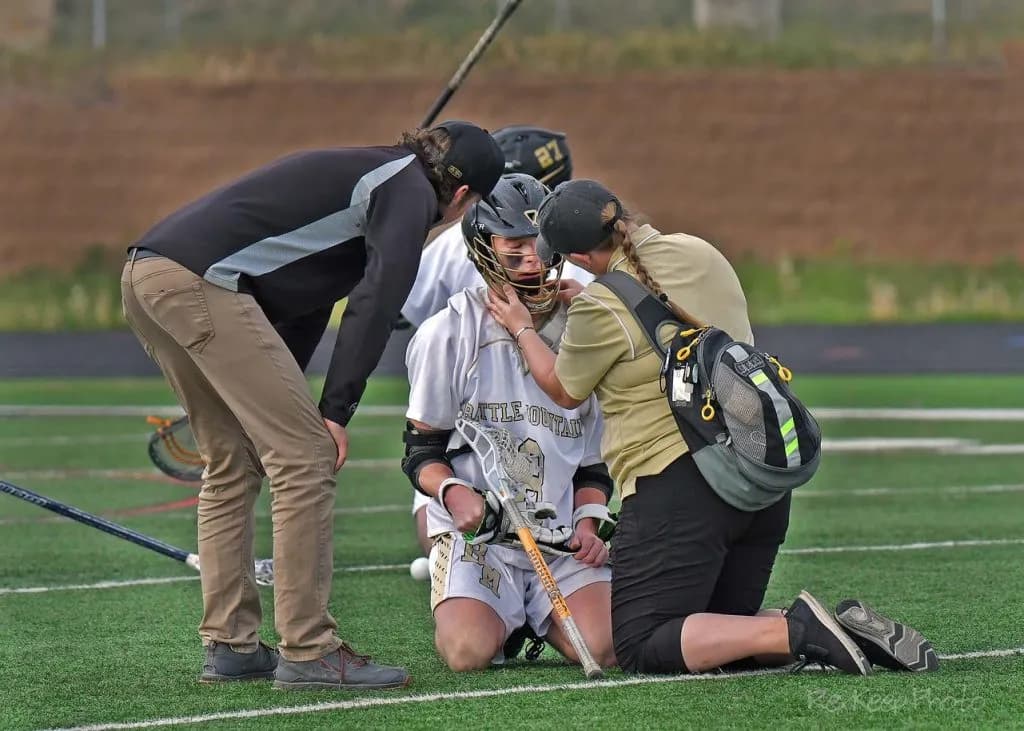
Brandie Martin knows the system because she helped build it. A fractured ankle during her senior year at Eagle Valley nearly ended her athletic career. An athletic trainer secured her a physician appointment at the clinic. That single intervention changed her trajectory. She went on to play NCAA Division I soccer at the University of Wyoming. She got injured there, too. But instead of walking away, she returned to the valley. She completed a residency at The Steadman Clinic and now oversees the program.
Over 170 athletic trainers have graduated from this pipeline since 1996.
The numbers are staggering. This school year alone, the local staff evaluated roughly 1,400 injuries. They completed about 3,100 free rehab sessions. They taped nearly 800 ankles and wrists. They managed 94 concussions. That is not administrative overhead. That is direct, hands-on medical care delivered to students who might otherwise go without.
Martin’s team also provided over 400 free physical screenings to the broader community.
“Athletic trainer appreciation month may have been in March,” Martin said. “But May isn’t a bad time to honor their year-long dedication.”
The work goes far beyond taping an ankle after a hard hit. Brooke Rey, the trainer at Battle Mountain, notes that the role is deeply relational. “Every year, I feel like I go through these athletes’ journeys with them,” Rey said. “It helps them to have that support of somebody who really cares about them, knows what they’re feeling and understands and is compassionate and empathetic.”
Rey teaches an anatomy class for interested students. She doesn’t just fix injuries; she prevents them. Trainers design injury prevention programs for coaches. They conduct safety checks and helmet fittings for football and lacrosse teams. They put together weather protocols and emergency action plans for every venue. They ensure local paramedics and EMTs know the logistics for worst-case scenarios.
They also handle the invisible stuff. One-on-one sessions on hydration. Nutrition. Supplement usage.
Amy Wheeler covers Eagle Valley. Brooke Rey covers Battle Mountain. Katie Helly handles Ski and Snowboard Club Vail. Erin Young works with Aspen Valley Ski Club. Zack Russell and Carra Croucher manage Aspen High School.
The roster is deep. The funding is stable.
“Especially in a rural setting,” Martin said. “I think this community is really fortunate to have what we have.”
It’s easy to take for granted. You assume the school district pays for it. You assume the insurance covers it. You don’t see the 3,100 rehab sessions. You don’t see the 94 concussions managed in real-time. You just see the kid run back onto the field.
The short version? This is a luxury most rural towns can’t afford. And we have it.
The question isn’t whether the program works. It’s whether it survives the next budget cycle. The Steadman Clinic and Vail Health have committed for three decades. But commitments change. Staffing shortages loom. If the funding model shifts, who picks up the slack?
Rey is already teaching the next generation. She’s in the classroom. She’s in the locker room. She’s on the field.
But she can’t do it alone. Not if the numbers keep climbing.
Keep up with Aspen
The day's Western Slope news, one email each morning. Free.
NWRM CASA Honors Judge O’Hara and Founders at 15th Anniversary
Craig Hosts Only Regional Special Olympics Bowling Competition