Cañon City and Silverton Monetize Remote Trails for Tourism Growth
Explore how Cañon City's trail investments and Silverton's premium heli-skiing are reshaping Colorado's mountain economy by turning remote wilderness into accessible, high-value tourism assets.
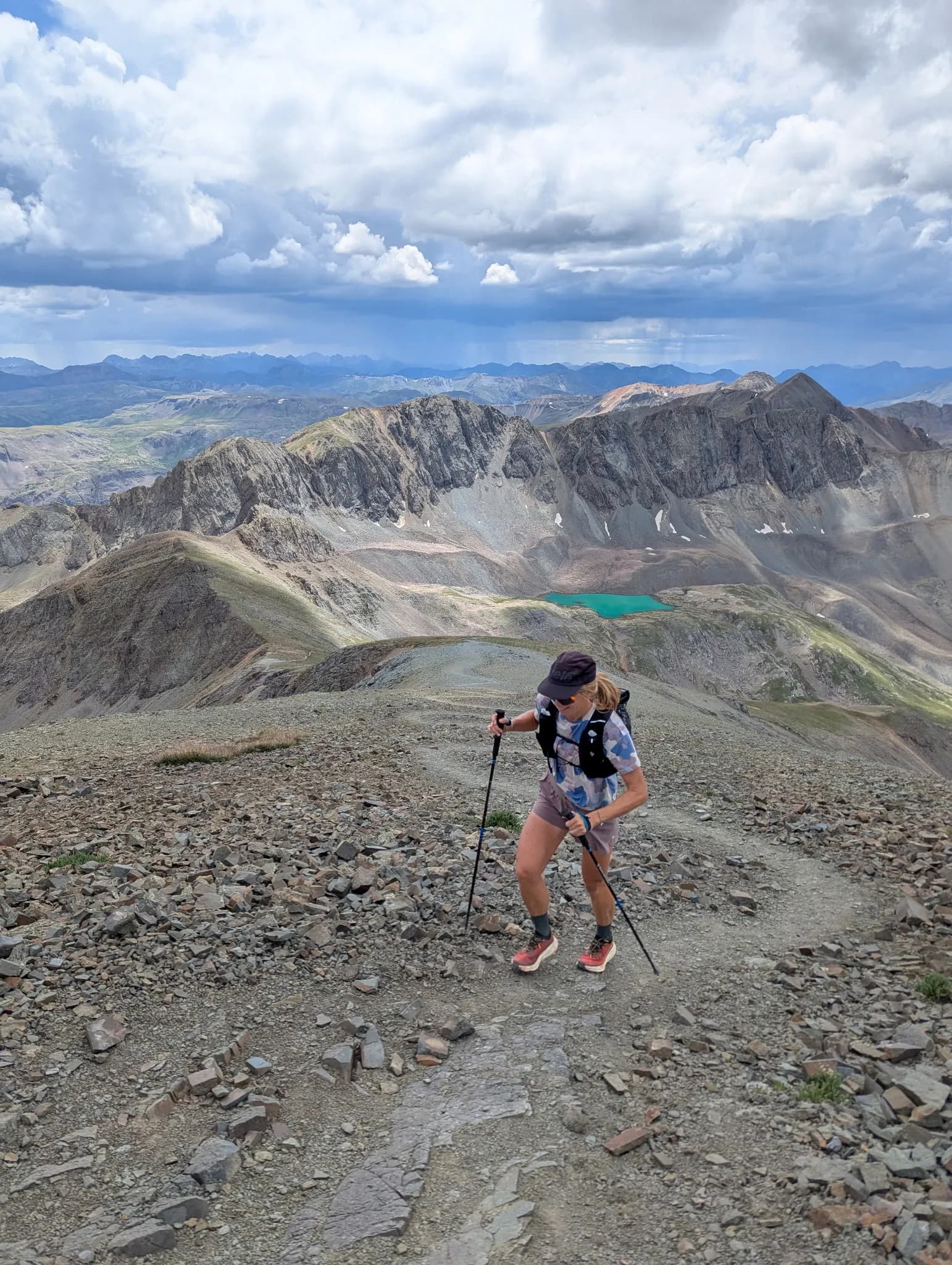
Silverton —The wind off the Royal Gorge cuts straight through a flannel shirt, carrying the scent of pine and the distant, metallic tang of the Arkansas River. It’s a specific kind of cold here in Fremont County, one that settles in the bones and demands respect. But just miles north, on a stretch of BLM land that used to be little more than a dusty four-wheel-drive track, the air is warmer. It’s filled with the crunch of tires on rock and the quiet concentration of cyclists navigating single-track trails that didn’t exist a decade ago.
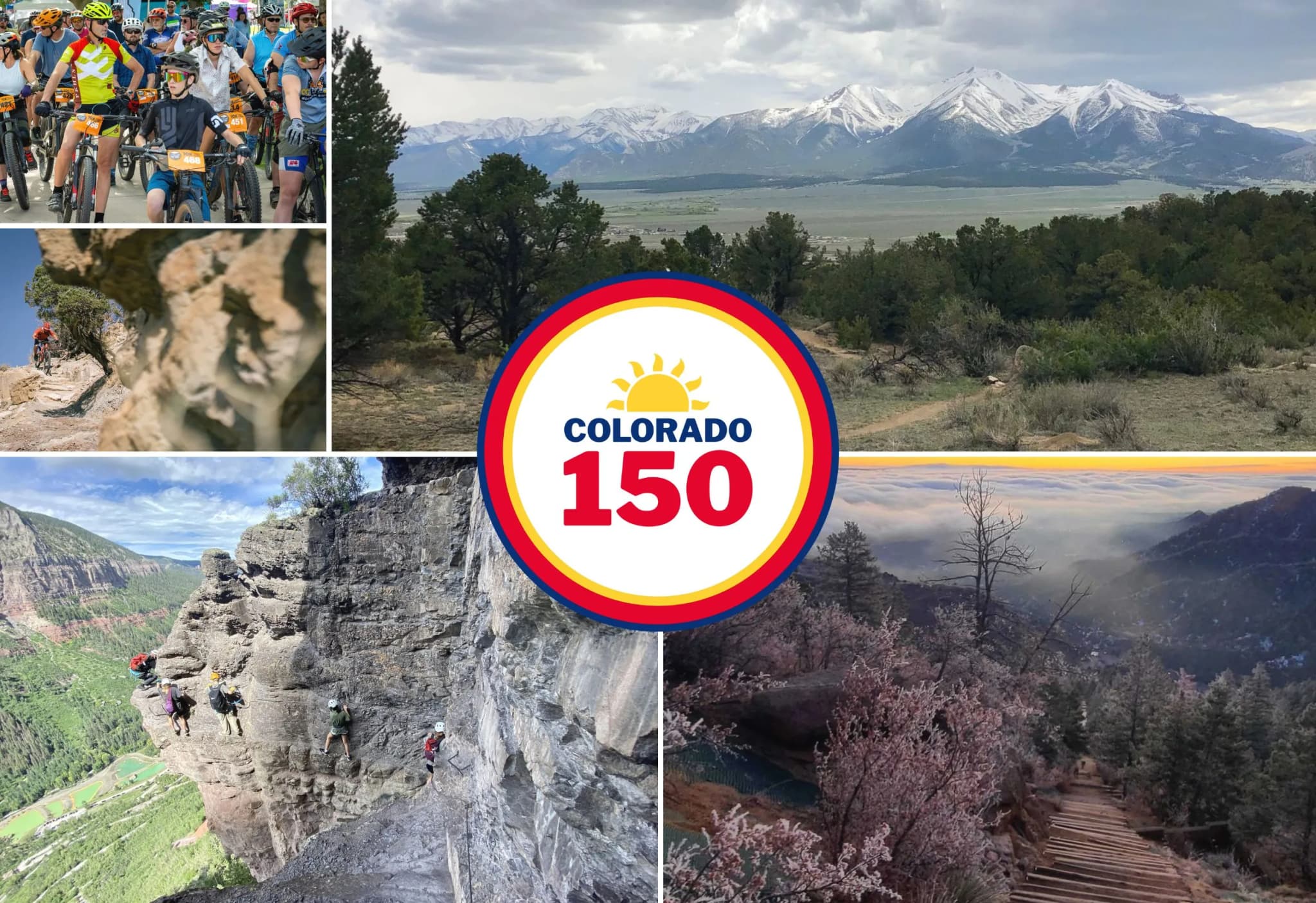
This is the new reality of Colorado’s mountain economy. It’s no longer just about the big ski resorts or the historic mining towns. It’s about the engineered trails, the helicopter drops, and the deliberate investment in infrastructure that turns remote wilderness into accessible adventure. As Colorado celebrates its 150th year of statehood, the narrative isn’t just about history — it’s about how we’re monetizing and preserving the landscape that defines us.
Take Cañon City. The transformation of Oil Well Flats into a multiuse network wasn’t an accident. It was a calculated move by the local Bureau of Land Management to diversify tourism beyond the Royal Gorge Bridge. By 2014, over 10 miles of rocky single track were open to hikers, cyclists, and equestrians. The real shift came in 2016, when Fremont Adventure Recreation helped secure funding for the South Cañon Trails network. But the masterstroke was Royal Gorge Park itself, rebuilt from the ashes of a devastating June 2013 wildfire. The town didn’t just rebuild; they hired a trail builder who was intentional about placement, turning a scar into a asset.
“The question is whether this model of targeted investment can be replicated elsewhere,” says a local BLM official familiar with the project’s development. “We turned a remote spot into the area’s first multiuse network. That changes the economic footprint of the county.”
That footprint matters. It means more visitors staying longer, more local jobs in trail maintenance, and a tourism draw that doesn’t rely solely on snowfall. It’s a lesson in resilience.
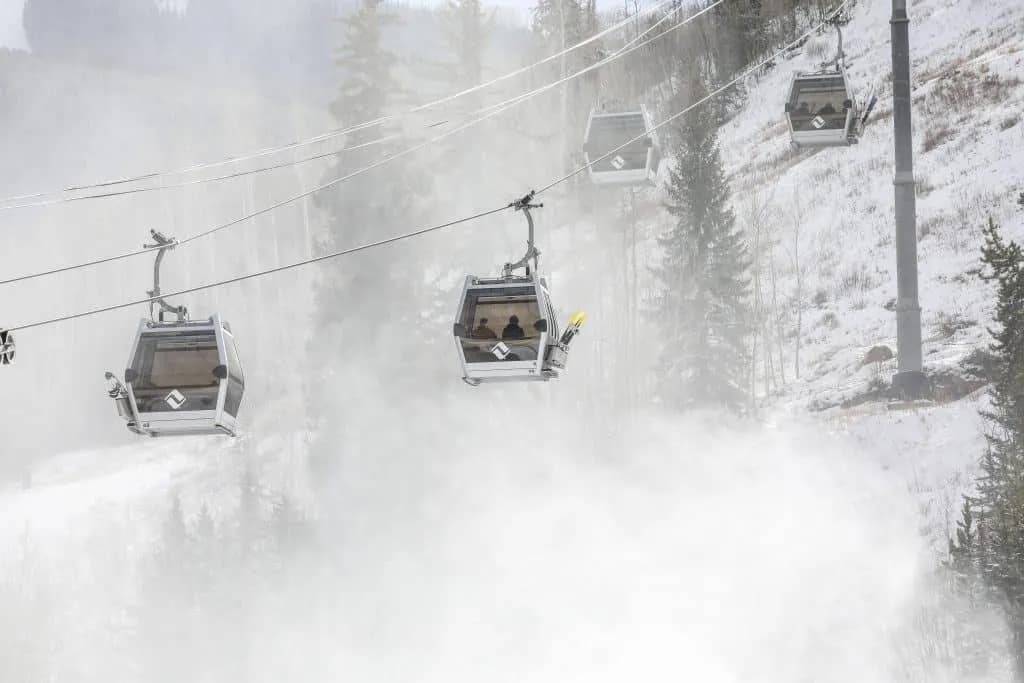
Further south, the approach is different but the outcome is similar. At Silverton Mountain, the barrier to entry isn’t just skill — it’s capital. A single helicopter drop costs $99. A full day runs $999. For those who can afford it, the remote San Juans offer more than 29,000 acres of terrain, ranging from easy meadows to rowdy couloirs. And for the big spenders, the commute is part of the luxury: pickup in Aspen, Vail, or Telluride.
“It’s about accessibility to the extreme,” notes a guide with Silverton Mountain. “We’re not just selling a ski day. We’re selling access to 29,000 acres of untracked terrain that most people will never see unless they pay for the privilege.”
The data supports that positioning. Silverton is positioning itself as one of the most affordable places for heli-skiing, undercutting the premium resorts while offering a more exclusive experience. It’s a bold play in a market where every square foot of ski area is contested.
Then there’s Monarch Cat Skiing, which spans 1,700 acres of terrain on the edge of the ski area. With steep open bowls and glades facing every direction, Monarch delivers untrammeled powder even weeks after a storm. The use of cat-skiing, combined with partial ascents on chairlifts, allows skiers to bang out as many as 14 runs in a day, close to double what other operations offer.
“Whether the market can sustain this level of intensity remains to be seen,” says a Monarch Cat Skiing representative. “But the demand for deep, untracked snow is constant. We’re just meeting it.”
These aren’t just tourist traps. They’re businesses adapting to a changing climate and a changing economy. They’re betting that locals and visitors alike are willing to pay for access, for convenience, and for the thrill of the unknown.
As we look toward the next 150 years, the question isn’t just how many people will visit, but how we’ll manage the wear and tear on these landscapes. The trails in Cañon City are holding up. The heli-drops in Silverton are filling. The cats in Monarch are running.
“The privilege,” as Frederick Bonfils once put it, is to steward that fountain of treasures. But stewardship now comes with a price tag, and it’s one that’s getting higher every year.
Keep up with Silverton
The day's Western Slope news, one email each morning. Free.