Rocky Mountain Audiology Links Hearing Loss to Dementia Risk
Rocky Mountain Audiology uses Better Hearing Month to highlight how untreated hearing loss impacts brain health and increases dementia risk, urging Western Slope residents to prioritize early evaluation.
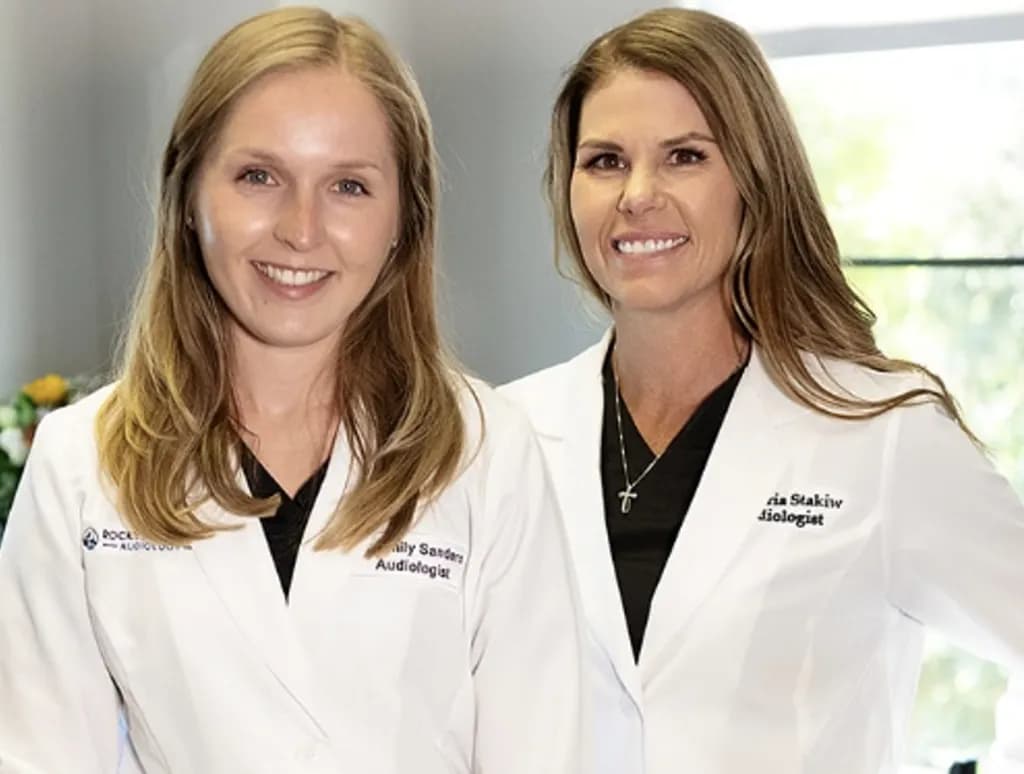
Aspen —May is Better Hearing Month, and the clinic is reminding everyone from the Eagle River Valley to the broader Western Slope that hearing health isn't just about hearing the radio clearly — it’s about keeping your brain sharp.
Rocky Mountain Audiology, which operates out of Edwards and Glenwood Springs, is using the observance to push back against the idea that hearing loss is just a normal part of aging. It’s not. Untreated hearing loss increases cognitive strain, contributes to social withdrawal, and elevates the risk of dementia over time.
When the brain has to work harder to interpret unclear sound signals, other cognitive functions like memory and processing get overburded. Its leadership wants locals to understand that addressing hearing loss supports clearer communication and healthier brain function.
The team is led by Board Certified Doctors of Audiology Dr. Daria Stakiw and Dr. Emily Sanders. They’ve been serving mountain communities with evidence-based care for years, and this month they’re asking people to take a closer look at their own auditory health.
"Many adults don’t realize how gradually hearing can change," the clinic notes. That gradual decline is the trap. People assume they’re fine until they can’t hear the TV or miss a word in conversation. By then, the damage to social engagement and cognitive load might already be significant.
Rocky Mountain Audiology is urging adults, especially those over age 50, to stay proactive. A comprehensive hearing evaluation offers insight into both auditory and cognitive wellness. It helps people understand the full range of options available if changes are detected.
This isn’t a one-size-fits-all pitch. The clinic emphasizes personalized solutions that fit individual lifestyles. Whether you’re working on the slopes or managing a business in Glenwood, hearing loss affects your ability to connect with people who matter most.
The clinic is located at 56 Edwards Village Blvd., Ste. 222 in Edwards, and at 1607 Grand Ave., Ste. 21 in Glenwood Springs. You can reach them at (970) 926-6660 for the Edwards office or (970) 945-7575 for Glenwood Springs.
Here’s the thing though: most people wait until they’re struggling to hear a basic conversation before they make an appointment. They chalk it up to age, or noise, or just life. But the research shows that early identification makes a meaningful difference.
The clinic is open every day to support the long-term health of area residents. They answer questions. They guide people through solutions. It’s a full-time commitment to a local community that often treats health as an afterthought until something breaks.
Picture this: a neighbor in Carbondale who hasn’t had their hearing checked in a decade. They think they’re fine. They just turn up the volume a little more. Then one day, the cognitive load becomes too heavy. The social withdrawal starts. The dementia risk ticks up.
Rocky Mountain Audiology is trying to stop that slide before it starts. They’re asking neighbors to prioritize their hearing. To stay connected to the sounds, conversations, and people that make life in the valley worth living.
It’s May. The weather is turning. The traffic on I-70 is still a nightmare. But your hearing? That’s something you can fix.
Keep up with Aspen
The day's Western Slope news, one email each morning. Free.
The digital counter on the side of the bus in Carbondale ticks over, but the seats inside are half-empty
Eagle County Launches Aging Well Roadmap To Keep Seniors Housed