Why AI Automation Fails to Fix Broken Distribution Processes
A survey of 426 distribution companies reveals that while AI promises efficiency, many firms automate chaos instead of fixing underlying processes, leading to a significant gap between expected and actual ROI.
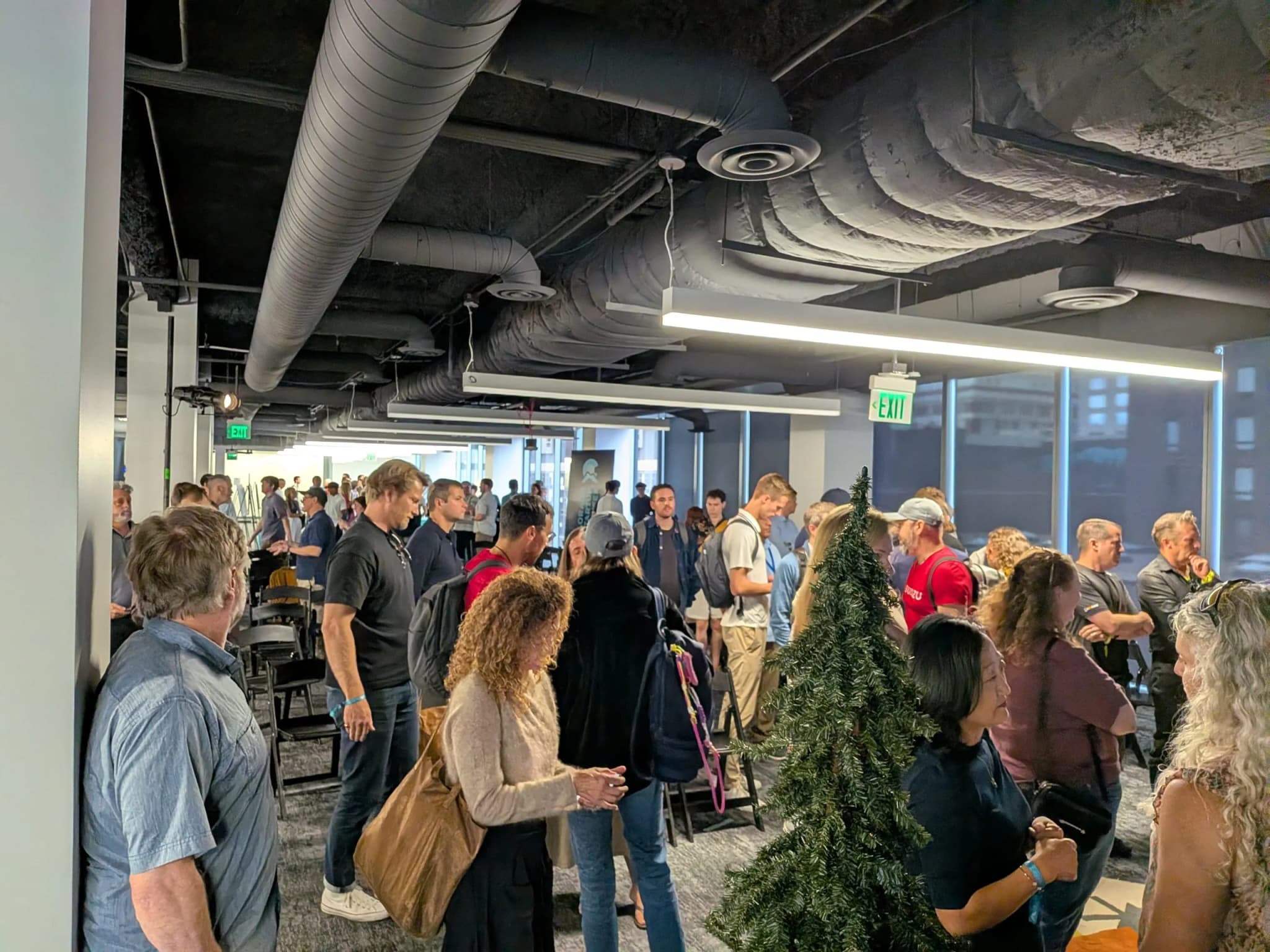
Colorado —The fluorescent lights of the Inverness Denver hotel hummed with the low-grade anxiety of a room full of people trying to figure out if they’re being left behind. Jenni Detert, Endries International’s vice president of information technology, stood at a podium and told the audience that their AI experiment had sounded perfect on paper.
Instead of having employees chase down purchase orders from suppliers, emails were automatically sent to suppliers, who would reply to a monitored inbox that was read by AI. The system figured out the next steps, updating the system or notifying the right person. It was efficient. It was automated.
“A few months into it, we realized that we had just kind of automated chaos,” Detert said.
The AI didn’t fix the underlying mess; it just sped up the process of making mistakes. The real lesson wasn’t about the technology itself, but about the process. You have to understand the workflow before you try to scale it with a machine. That’s the kind of hard-won truth that matters to the folks running logistics hubs across the Western Slope, where every minute of delay eats into the bottom line.
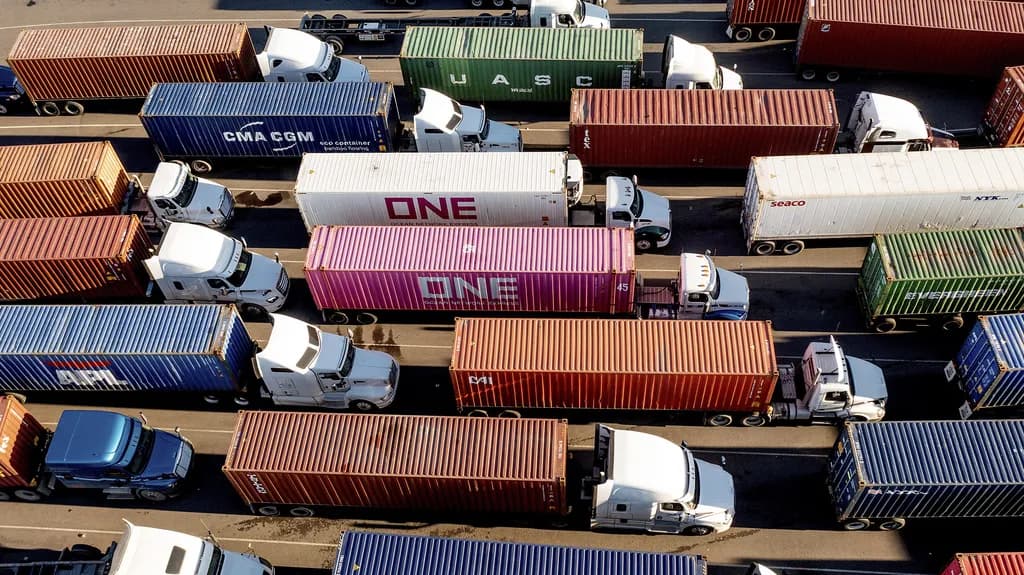
Automation has long been the holy grail for the distribution industry — the complex web that moves goods between producers, manufacturers, and consumers. Expectations that artificial intelligence would suddenly fix broken supply chains were sky-high. But the reality check from a recent survey of 426 distribution companies was a cold splash of water.
Modern Distribution Management, owned by the National Association of Wholesaler-Distributors (NAW), dug into the data. While 73% of companies expected at least a 2% improvement in pricing and margins, only 16% actually hit that mark. It’s a stark gap between what people hoped for and what they got. Many have invested millions in pilots, yet 54% said they didn’t even have AI on their roadmap for the near future. They’re waiting. Watching.
Patti Rausch, vice president of research and innovation at NAW, stood up to explain why. She argued that companies shouldn’t dismiss AI as a failure just because the immediate ROI isn’t showing up on the balance sheet. It’s telling us that AI in distribution is still in its infancy. The gap between expectation and reality is more of a timing gap, not a value gap.
The 16% who’ve hit those numbers, they just started earlier. They built organizational habits around the technology. They treated change management as seriously as they think about vendor selection. They didn’t just buy a tool. They built a capability.
Rausch advised the crowd to focus on proven tools first. Make sure your staff understands how to use it and how it’s used. AI isn’t a magical solution that will adjust delivery routes on the fly depending on traffic. That is not helpful to distributors who need predictable, reliable logistics, not just fast ones.
Here’s the thing though: this isn’t just a story for big-box giants in Chicago or New York. It’s a story for the regional distributors who keep Colorado’s economy moving. When a local supplier in Grand Junction or a logistics firm in Delta tries to implement AI, they can’t afford to automate chaos. They need to fix the process first.
The room at the Inverness hotel wasn’t filled with people who had it all figured out. It was filled with people who had spent the money, made the mistake, and were now trying to figure out how to get their money’s worth. Detert’s team at Endries had learned that the AI wasn’t the problem. The lack of process was. And that’s a lesson that costs a lot less to learn in a conference hall than it does on a busy loading dock at 5 a.m.
Keep up with Colorado
The day's Western Slope news, one email each morning. Free.


Federal Report Sets 200,000 Acre-Foot Water Conservation Target for Upper Basin
Colorado Parks and Wildlife Deploys Precision Drones for Weed Control