Pitkin County Allocates $180,000 for Jail Behavioral Health Services
Pitkin County approves $180,000 contract for jail behavioral health services, targeting substance abuse and mental health to reduce recidivism and improve inmate reintegration.
Gunnison —If you’re asking whether the $180,000 Pitkin County is shelling out for jail behavioral health services is actually keeping people out of the cells, the data says yes. But let’s look closer at what that money buys and who it’s for.
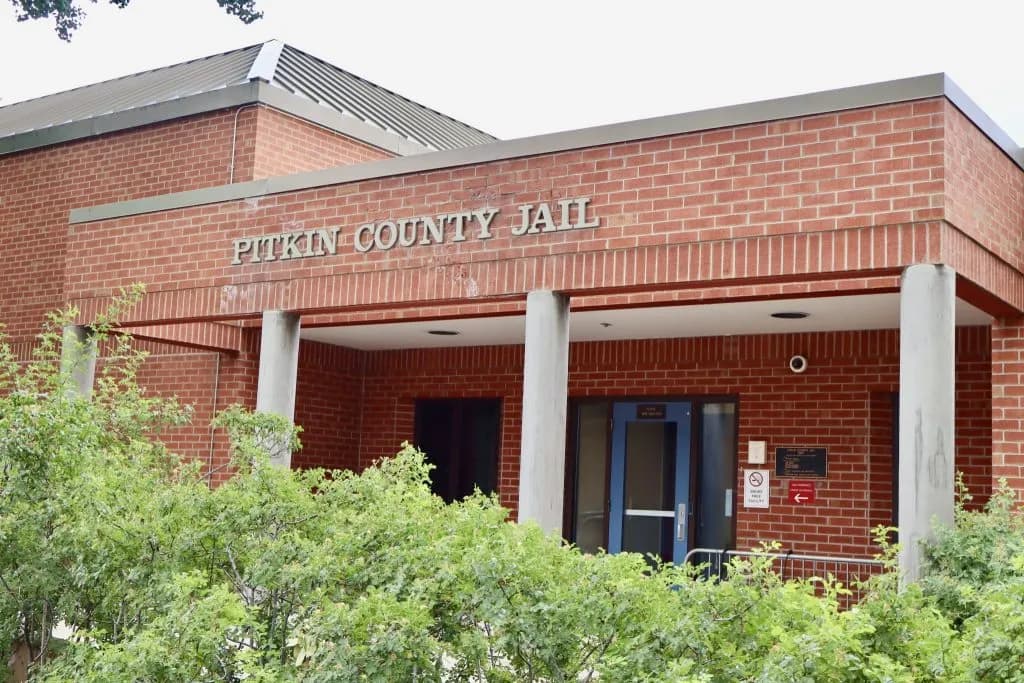
The Pitkin County Board of County Commissioners approved a first reading for a contract extending grant funds to the Sheriff’s Office. Detentions Division Chief Dan Fellin presented the resolution on Wednesday. He’s asking for $180,000. That’s the price tag for sub-contracted mental health case management and the tangible items given to inmates upon release to help them not immediately return.
This isn’t new money. It’s a replacement. The previous funding stream, a catchment grant through the Office of Behavioral Health, dissolved in 2019. The old grant offered limited substance use disorder treatment. This new grant, administered by the state’s Behavioral Health Administration, is heavier. It covers substantial substance use treatment, significant mental health care, and transitional care coordination.
The goal is continuity. You get out of jail, you get a case manager, you get a starting point. You don’t fall back into old habits.
Commissioner Patti Clapper called it a "great program." She’s right. The logic is sound. If you treat the underlying issues — mostly alcohol abuse and mental health crises — you reduce the revolving door. The figures support that conclusion.
Sheriff’s Office data from 2023 to 2024 shows a clear trend. Inmates admitted to the Jail-Based Behavioral Services (JBBS) program who had access to follow-up services had a 20% lower recidivism rate than those who didn’t. That’s not a theoretical benefit. That’s a measurable reduction in people coming back to sit in the same cells.
Fellin put it simply. If they can help someone once and connect them to community services, they never see them again aside from routine check-ins. That’s a win. It saves jail space. It saves processing time. It saves the community the cost of re-incarceration.
In 2025, the program will host over 100 group sessions. Mental health professionals are holding regular individual and group sessions. They’re targeting the specific issues that fill the jails. Substance abuse, particularly alcohol, is the primary driver. The grant money pays for the professionals who run these sessions. It pays for the case management that tracks people after they walk out the door.
The state wants appropriate services for inmates. It wants continuity of care after release. Pitkin County is providing that. The Sheriff’s Office is delivering it. The taxpayers are footing the $180,000 bill.
Is it expensive? $180,000 is a chunk of change. But consider the cost of a single inmate staying in jail for six months versus being supported in the community. Consider the administrative burden of processing the same faces over and over. The program aims to break that cycle.
Clapper noted the importance of giving people a "good foot underneath them." It’s about prevention. It’s about stopping the bleed before it starts. The grant covers the tools needed to do that. Case management. Group therapy. Individual attention. Items for release.
The resolution is approved on first reading. It moves forward. The money is allocated. The services will continue.
For locals, this means less churn in the jail system. It means a slight reduction in the likelihood of seeing familiar faces in the courts. It means $180,000 spent on keeping people stable rather than locked up. It’s a direct investment in public safety, measured in reduced recidivism and managed costs. The program works. The question isn’t if it should continue. The question is whether we’re willing to keep paying for it to keep the doors from swinging shut on the same people year after year.
Keep up with Gunnison
The day's Western Slope news, one email each morning. Free.