Governor Jared Polis Cuts Tina Peters' Sentence in Half
Governor Jared Polis cuts former Mesa County Clerk Tina Peters' sentence by half, releasing her June 1, sparking outrage from Democrats and Republicans alike over election authority.
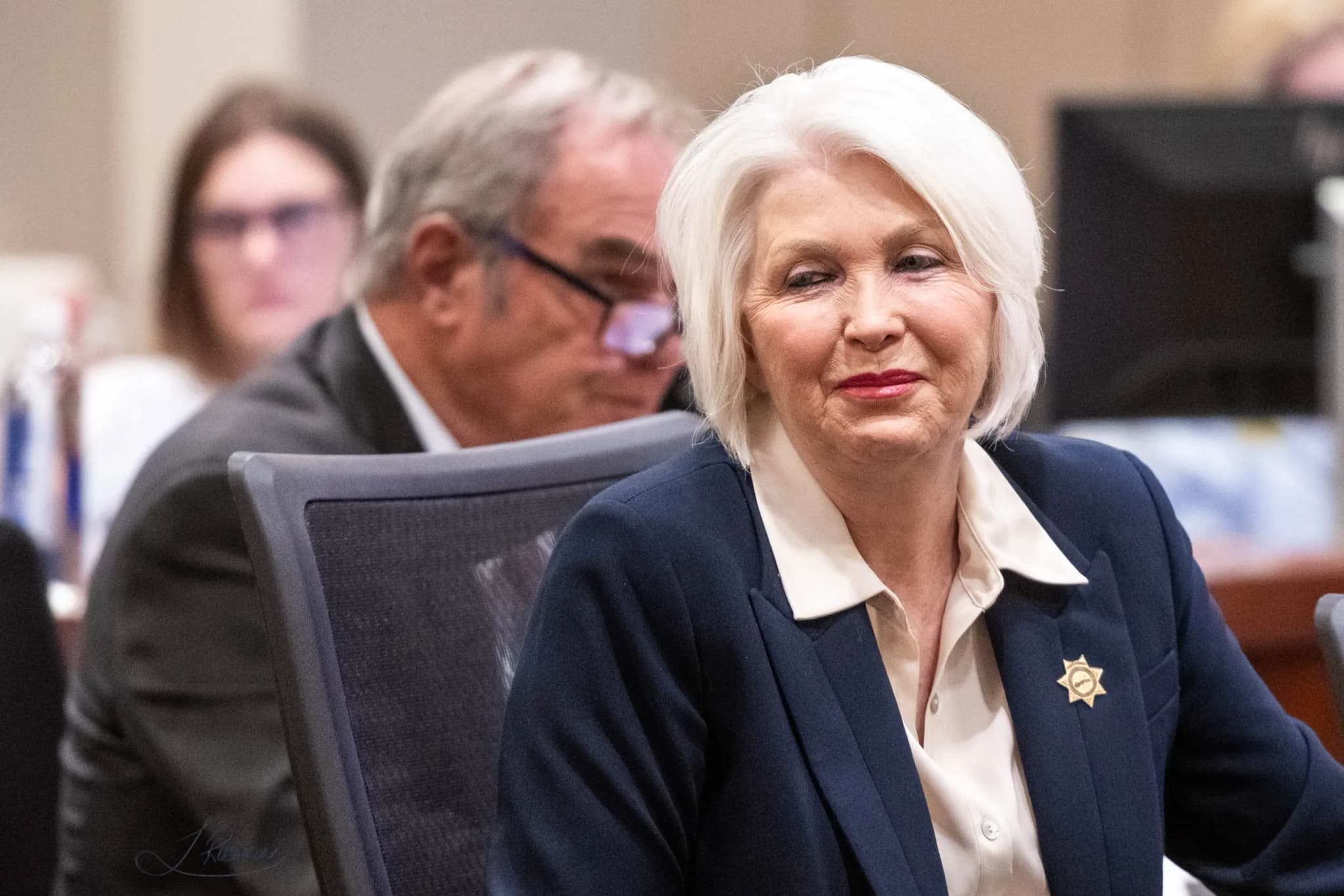
Grand Junction —“Tina Peters is guilty as sin and a disgrace to Colorado.”
That’s U.S. Senator John Hickenlooper’s blunt verdict on the former Mesa County Clerk, and it’s the prevailing mood in the state’s political capital. Governor Jared Polis didn’t just trim Peters’ sentence. He cut it in half. The 70-year-old election conspiracy figure will walk out of prison on June 1.
It’s a move that has turned Colorado’s political landscape upside down.
Polis announced the commutation Friday, reducing Peters’ nine-year term to four years and four and a half months. He called the original sentence “unduly harsh” because of her “incorrect and unpopular speech.” He’s not pardoning her. She remains a convicted felon. But the time served is shrinking fast.
The reaction was immediate and fractured.
Matt Crane, who leads the Colorado Clerks Association, sees a direct threat to local governance. “This signals that it’s open season on our elections and election officials,” Crane said. He’s a Republican, former Arapahoe County clerk, and one of many conservative officials outraged by Peters’ behavior. To him, this isn’t justice. It’s a warning shot.
Hickenlooper, a Democrat, didn’t mince words either. He argued the judicial process was still unfolding. The appeals court had already ordered the trial judge to revisit the sentencing. Waiting for the courts to finish their work would have been the prudent move. Instead, Polis jumped in.
“Reducing her sentence sends the wrong message to those seeking to undermine trust in our elections,” Hickenlooper said. “And it will do nothing to deter Donald Trump’s illegal attacks on Colorado.”
Trump didn’t wait for the details. He posted “FREE TINA!” on social media Friday afternoon.
Peters herself took to the platform to thank the governor. She admitted she misled the Secretary of State five years ago when allowing a person access to county voting equipment. “That was wrong,” she wrote. She promised to continue supporting election integrity through legal means. She also plans to push for prison reform, citing her own time behind bars.
Her defense attorney, Peter Ticktin, called the governor’s move brave. “Mr. Ticktin rejoices in this decision,” he said. “Considering he has to stand up to certain people.”
Those “certain people” include fellow Democrats who view this as a political liability. Polis has been eyed as a potential presidential contender. This commutation likely neutered that ambition. By inserting himself into a polarizing case, he’s alienated the base he needs to rise.
Barb Kirkmeyer, a gubernatorial candidate, framed it as a failure of institutional trust. “A commutation or pardon by a governor should be reserved for truly extraordinary circumstances,” she said. She believed the judicial system should have had the final say.
The cost of this decision isn’t just political. It’s personal for the people who manage our local elections. For the clerks in Delta, Montrose, and beyond, the message is clear: your authority is negotiable.
Peters is leaving with a second chance. The rest of us are left to wonder how long it takes for the “open season” Crane warned about to actually begin.
Keep up with Grand Junction
The day's Western Slope news, one email each morning. Free.



Canadian Tariffs Force Grand Junction Startup To Triple Bike Rack Price

Vail Musician James Carstensen Dies After Choosing Hospice Care