Pitkin County Replaces Library Boilers With Electric Heat Pumps
Pitkin County is swapping aging boilers for electric heat pumps in the Library and Health and Human Services Building, aiming to cut emissions by 30% and proving modern electric heating works in the Rockies.
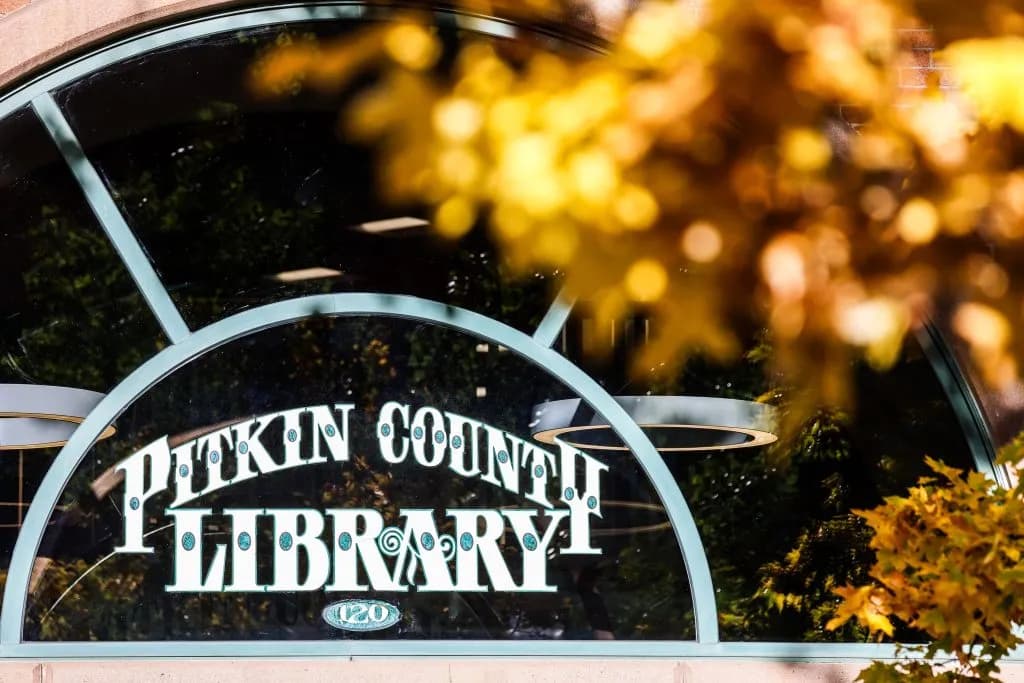
Gunnison —The radiator in the corner of the Pitkin County Library hisses. It’s a sound locals know well — the mechanical groan of aging infrastructure fighting a losing battle against the mountain chill. That noise stops this week.
Pitkin County is replacing the boilers in the Pitkin County Library and Health and Human Services Building with electric heat pumps. The project is funded by a state grant and aims to cut emissions from the county’s building portfolio by over 30%.
It’s not just about comfort. It’s about hitting a specific target. The county wants to reduce greenhouse gas emissions by 90% by 2050. The new system is a piece of that puzzle.
Kevin Warner, Pitkin County Construction and Assets Director, says the old boilers were at the end of life. They didn’t just break; they failed to keep up. The new setup uses electricity to move heat rather than burning fuel. It’s a hybrid system. The electric pump does the heavy lifting. Gas boilers kick in only when temperatures drop low enough to demand extra heat.
“We are really looking to reduce our greenhouse gas emissions from these changes,” Warner said.
The library stays open during construction. Work begins May 11. It wraps up by the end of June. The second phase runs from August to October. The Health and Human Services building gets its turn starting May 18. That project finishes in October.
Michael Port, the Climate Action Analyst, calls it a way to meet immediate facility needs while moving toward a cleaner energy future. The grant comes from the Colorado Department of Local Affairs. It was issued to showcase electric heat pumps in mountain climates. The goal is to prove it works here, where the cold bites hard.
“This is an opportunity to show that modern electric heating works effectively even in mountain climates,” Warner said.
Read that again. The county is betting on electricity to handle the deep freeze. The grid is clean enough, they argue, to make the switch viable. The system monitors indoor air quality and maintains consistent temperatures. No more hot spots near the radiators and cold drafts in the reading nooks.
There’s a celebration coming. A ribbon-cutting with the Board of County Commissioners is scheduled for when the work is done. But the real test isn’t the ribbon. It’s the next winter. Will the electric pumps hold up when the mercury plummets? Or will the gas backups run so often they negate the emission savings?
The press release paints a rosy picture. Consistent temperatures. Improved air quality. Lower emissions. Warner and Port are confident. But heat pumps in high-elevation areas can struggle with efficiency as the outside air gets colder. The hybrid design mitigates that risk. It’s a safety net. It’s also a reminder that we’re still relying on fossil fuels, just in a smaller, smarter package.
The library won’t close. The public won’t feel much disruption. But the machines inside are changing. The hissing stops. The hum begins.
The grant money covers the upgrade. It doesn’t cover the long-term maintenance of a system that’s still learning how to behave in the Rockies. We’ll see.
Keep up with Gunnison
The day's Western Slope news, one email each morning. Free.