CDOT Data Reveals Highway 133 as Deadly Hotspot for Western Slope Wildlife
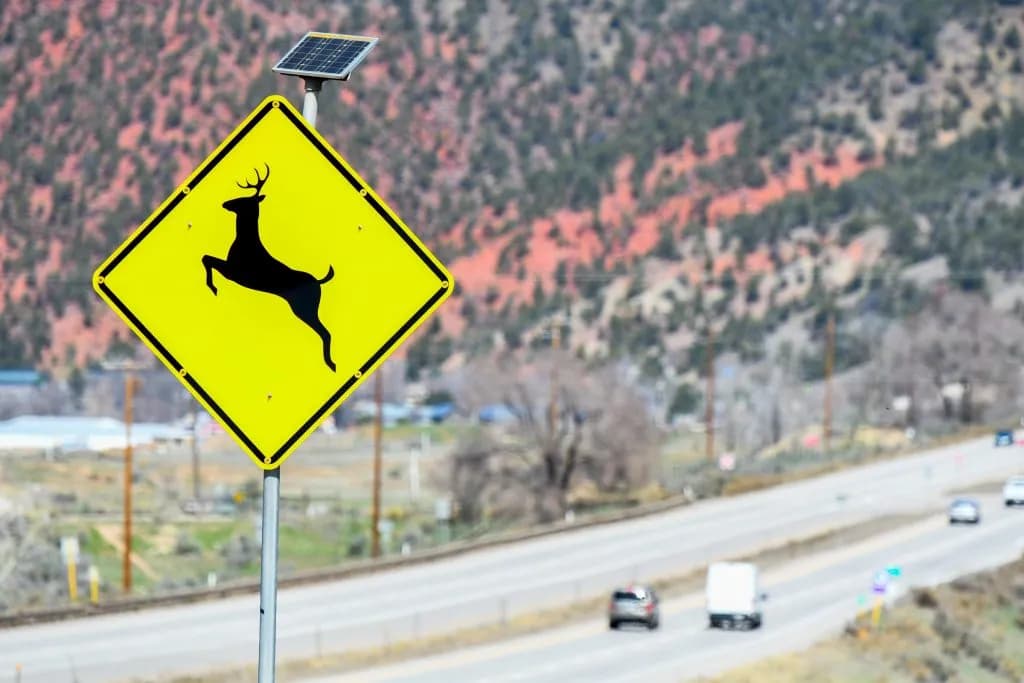
New CDOT data shows the Western Slope accounts for 68% of state roadkill, with Highway 133 between Paonia and Hotchkiss identified as a critical hotspot for wildlife-vehicle collisions.
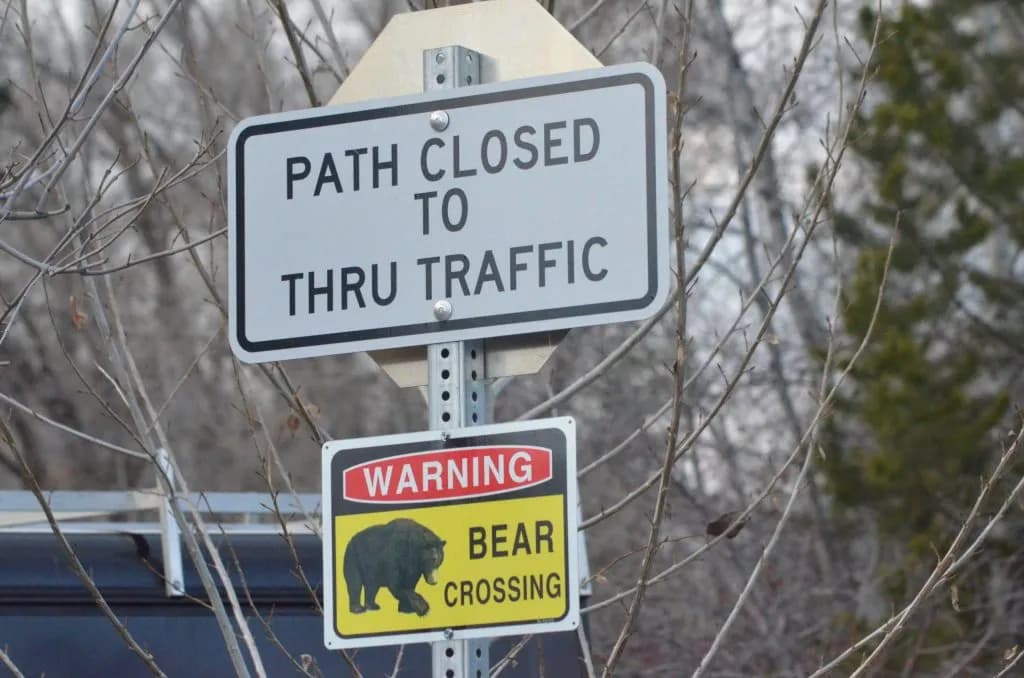
Aspen —The obvious takeaway from the new Colorado Department of Transportation data is that our roads are killing wildlife. It’s a grim statistic, and it’s easy to feel helpless about it. But the real story isn’t just that 7,770 animals died on Colorado highways in 2025. It’s that the vast majority of them died on the Western Slope, and the data suggests we’re not actually measuring the problem as accurately as we think.
Lindsay Martinez, CDOT’s wildlife specialist, put it plainly in her announcement of the figures. The numbers are "vital for CDOT, CPW and our partners as we work to reduce (wildlife-vehicle collisions) and make the roadways safe for humans and wildlife." But she immediately added a caveat that most drivers ignore: the data is collected opportunistically. It’s underreported. It’s uneven. It’s not for rigorous analysis; it’s for general information.
So, when you see headlines about record roadkill, you’re looking at a snapshot, not the whole picture. And that snapshot points squarely to us.
The Western Slope accounted for 68% of all roadkill reports in the state last year. That’s not a marginal share. That’s the overwhelming majority. The northwest region alone reported 2,226 animals killed, which is roughly 29% of the state’s total. The southwest region, which includes parts of the Western Slope, claimed another 39%.
If you live in Delta, Garfield, or Pitkin counties, this isn’t abstract. It’s your commute. The data identifies specific stretches of road that are danger zones. The single highest volume of roadkill in the northwest region wasn’t on I-70 through Glenwood Springs, though that stretch saw high numbers. It wasn’t even on the busy corridor between Dowd Junction and Silverthorne.
It was between Paonia and Hotchkiss on Colorado Highway 133 in Delta County.
That’s a specific, localized problem. It aligns with high-risk areas identified in a 2019 study by CDOT and Colorado Parks and Wildlife. The pattern hasn’t shifted much. The highway segments that were risky six years ago are still risky today.
Why does this matter to folks around here? Because the data tells us where to look. It tells us that while we worry about the big highways, the rural connectors are just as deadly. Highway 13, stretching from Craig down toward Garfield County, and U.S. 40, which cuts through the heart of the valley, are part of the same high-volume ecosystem.
The question is whether this data will lead to action or just more awareness. Martinez notes that the information helps partners reduce collisions. But reducing them requires more than knowing where the bodies are buried. It requires infrastructure changes, better signage, or perhaps more targeted wildlife crossings in those specific hotspots like the 133 corridor.
The numbers are up slightly from 2024, with 273 more animals noted statewide. The trend is stable, not exploding. But for the neighbors driving that stretch between Paonia and Hotchkiss, the risk feels constant. The data confirms it.
As Martinez puts it, the goal is to make roadways safe for both humans and wildlife. The data gives us the map. It’s up to us to follow it.
Keep up with Aspen
The day's Western Slope news, one email each morning. Free.