Pitkin County Commissioners Extend Drought Resiliency Study for Roaring Fork Valley
Pitkin County commissioners extend funding for a critical drought resiliency study, focusing on how biochar and aeration treatments help ranchers manage water deficits in the Roaring Fork Valley.
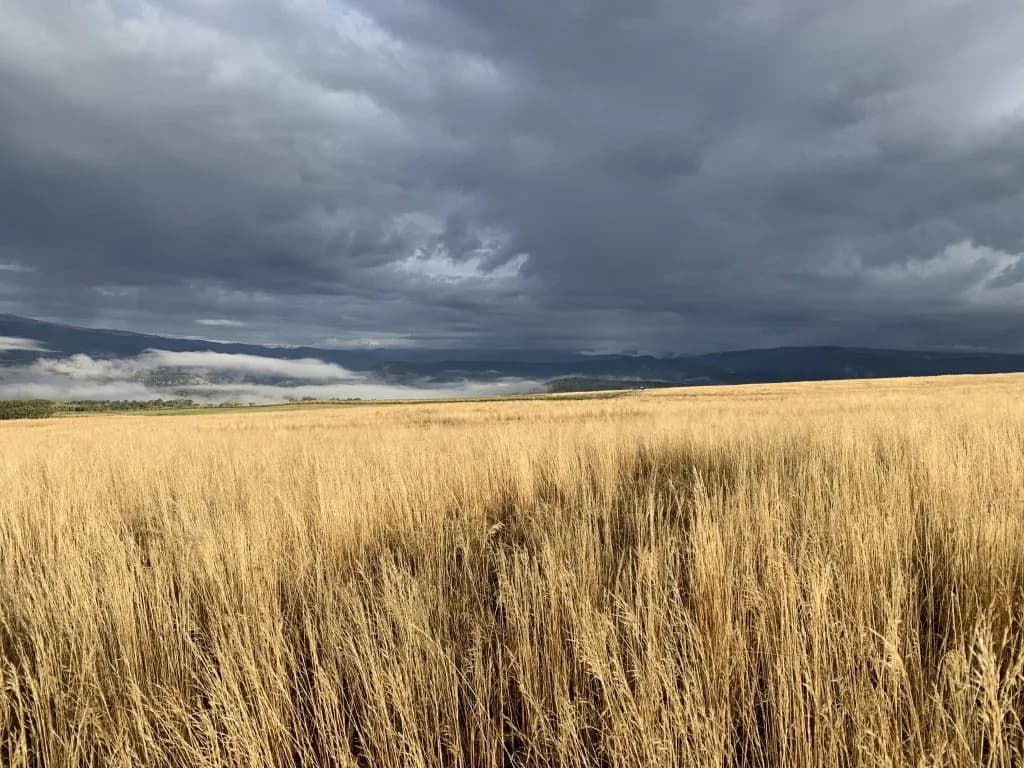
Gunnison —The air in the Roaring Fork Valley holds a specific kind of tension in late spring, a dryness that settles into the bones of the land before the snowmelt has even finished its final retreat. It is a silence that feels less like peace and more like a held breath, waiting for the river to decide if it will give enough to fill the fields. That tension is what Pitkin County commissioners are trying to quantify, last week approving two more years of a drought resiliency study that feels less like a distant academic exercise and more like a lifeline for the valley’s agricultural backbone.
The Board of County Commissioners signed off on a letter of support for a grant that will fund the third and fourth years of this ongoing research, a move that keeps the project alive and ensures that the data collected from working ranches continues to accumulate. The grant, submitted by the Roaring Fork Conservancy and sourced from the Colorado River District’s Community Funding Partnership, isn’t just about keeping the lights on; it’s about securing the future of irrigated lands in a region where water is no longer a guarantee, but a negotiation.
Drew Walters, Pitkin County’s Open Space & Trails Agriculture Specialist, stood before the commissioners and explained that the goal is straightforward, even if the execution is complex. “The goals of it are to understand if doing a different management strategy will help with years when water could be short, years like this,” Walters said. “It’s providing us some localized information.”
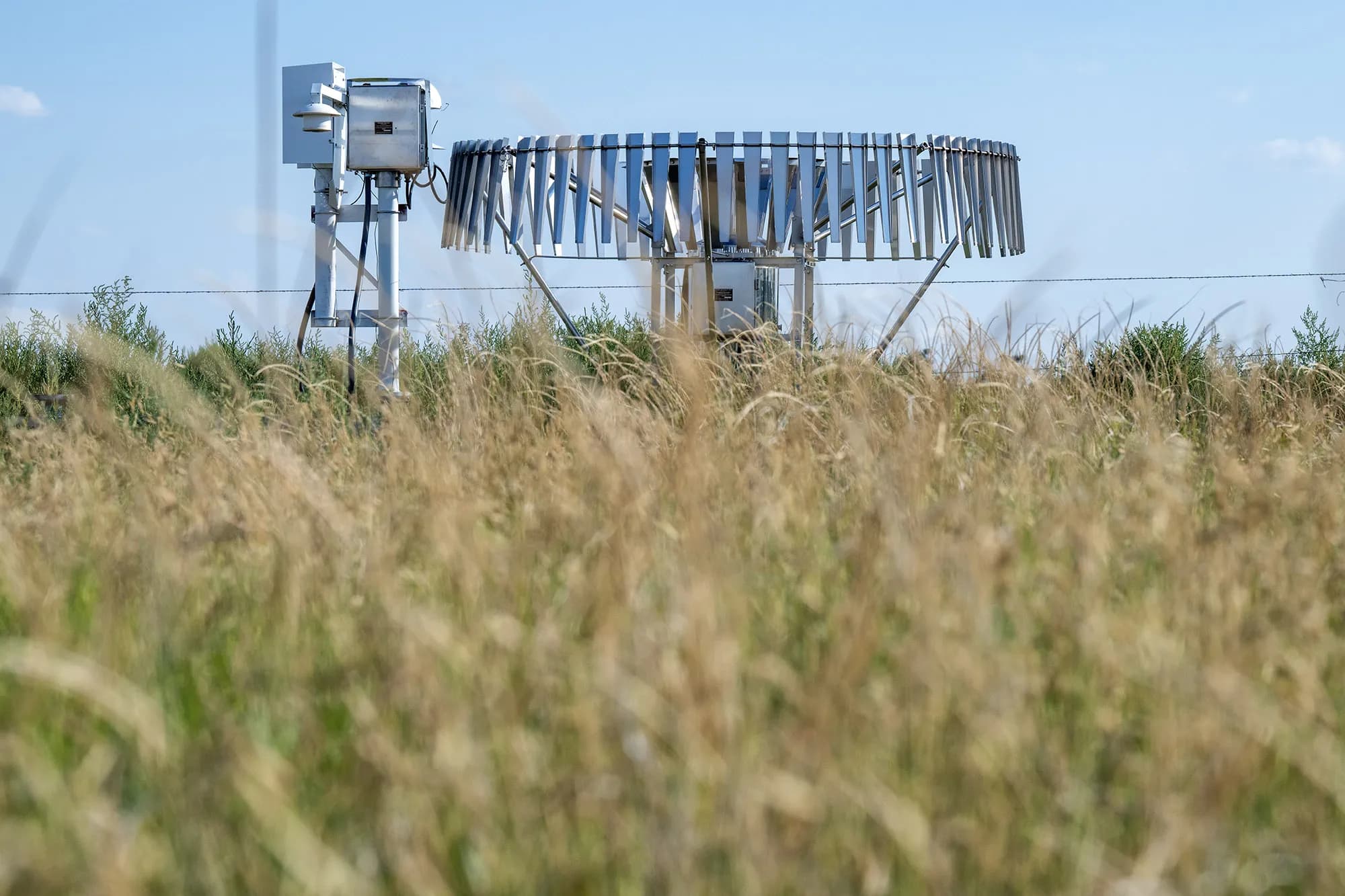
This isn’t theoretical water management. The project is a water deficit study focused on real soil, real forages, and real production losses. They are testing two specific treatment types — aeration and biochar application — against two irrigation scenarios: full irrigation and a water deficit, where water is cut in mid-June. You can feel the weight of that mid-June cut in the way the grass thins out, in the way the soil cracks. The question is whether adding biochar or aerating the earth can make that deficit less devastating for the producers who rely on these fields.
The current grant covers the monitoring of three different research plots on ranches in the valley over the next two years. We are past the initial heavy lifting of applying treatments and setting up the plots; now, it is about watching what happens. “We’re really done with a lot of the heavy lifting,” Walters noted, adding that the next phase is all about monitoring and collecting data for a comprehensive report that will show how the soil changes over time.
Commissioner Ted Mahon asked the question that hung in the room: “Is four years typical for a study of this length?”
Walters confirmed that four years is standard for similar studies, citing precedents in the Kremmling area. The partnership behind this includes the Roaring Fork Conservancy, Lotic Hydrological, Pitkin County Open Space and Trails, and several private landowners, a coalition that began in 2023 and started annual monitoring in 2024. They are looking for changes that are already visible to the trained eye. “We’re also noticing … there is a notable change in some of these research plots that we really want to be able to coll,” Walters said, trailing off as he prepared to detail the early signs of soil improvement.
It is a quiet science, conducted on the edges of town, where the pavement gives way to pasture. The study matters because it offers a path forward that isn’t just about using less water, but about using it smarter, adapting to the new reality of the valley. As the commissioners approved the support letter, they were essentially betting on the idea that the land can be coaxed into resilience, one plot at a time. The wind outside the meeting hall was already picking up, carrying the scent of sage and dry earth, a reminder that the study isn’t just about numbers on a page, but about the ground beneath our feet.
Keep up with Gunnison
The day's Western Slope news, one email each morning. Free.