Northeast Colorado Leaders Erase County Lines to Tackle Regional Poverty
A new report reveals that Northeast Colorado's rich agricultural resources are undermined by fragmented governance, prompting leaders in Sterling to erase county boundaries and tackle poverty, housing, and healthcare as a unified region.
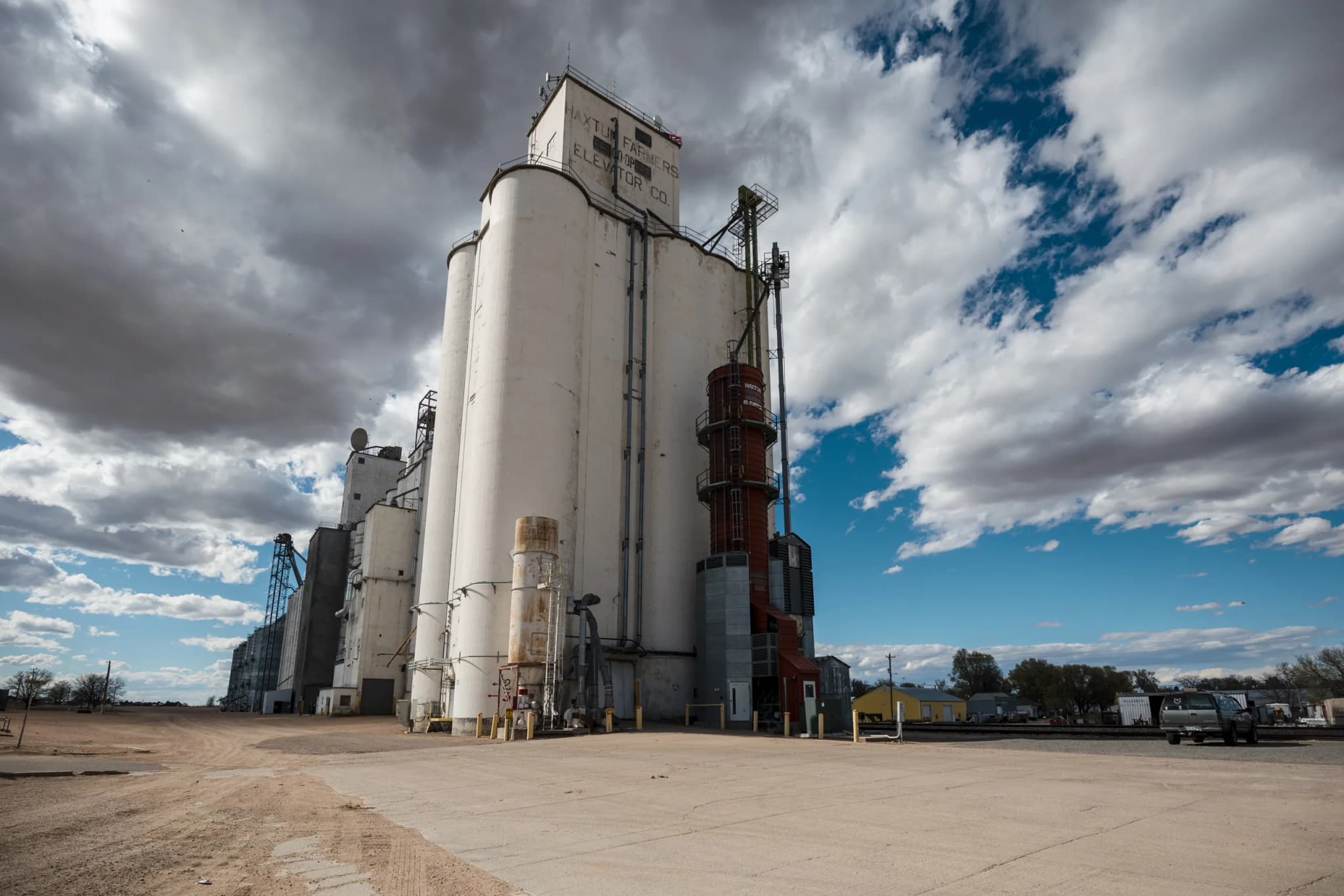
Colorado —The Haxtun Cooperative Elevator stands as a rusted sentinel against the flat, endless sky, its steel ribs holding the weight of a century’s worth of wheat and cattle. It smells of iron dust and dried earth, a scent that clings to the back of your throat if you stand there long enough. This is the northeastern corner of Colorado, a place where the horizon doesn’t just curve; it disappears into a haze of heat and possibility. But if you look closely at the people walking past that elevator, you’ll notice the same story written in their posture: the stiffness of age, the weariness of labor, and the quiet anxiety of a bank account that’s running thin.
Here is the counterintuitive truth about NeCo: it is not failing because it is poor. It is failing because it is rich in resources but poor in connection. The region produces more agricultural revenue than the sprawling, populous Weld County next door, yet it does so with a fraction of the people. It is an agricultural giant, a powerhouse of beef, dairy, pork, and cash crops that places it among the top producers in the nation. And where the soil gets too dry for crops, the wind blows hard enough to power thousands of homes, with solar and wind farms sprouting like weeds across Phillips, Logan, and Yuma counties.
So why does it feel like the lights are flickering?
The answer lies in “2026 Northeast Colorado Intersections,” a 40-page report commissioned by the Community Foundation of Northern Colorado and compiled with Colorado State University. The data is stark and unflinching. Poverty rates, food insecurity, and SNAP enrollment all exceed the state average. Health care is a desert, vast and empty. Housing is old, often inadequate, and surprisingly expensive for what you get. The six counties — Logan, Morgan, Phillips, Sedgwick, Washington, and Yuma — are huddled together, yet they act like strangers.
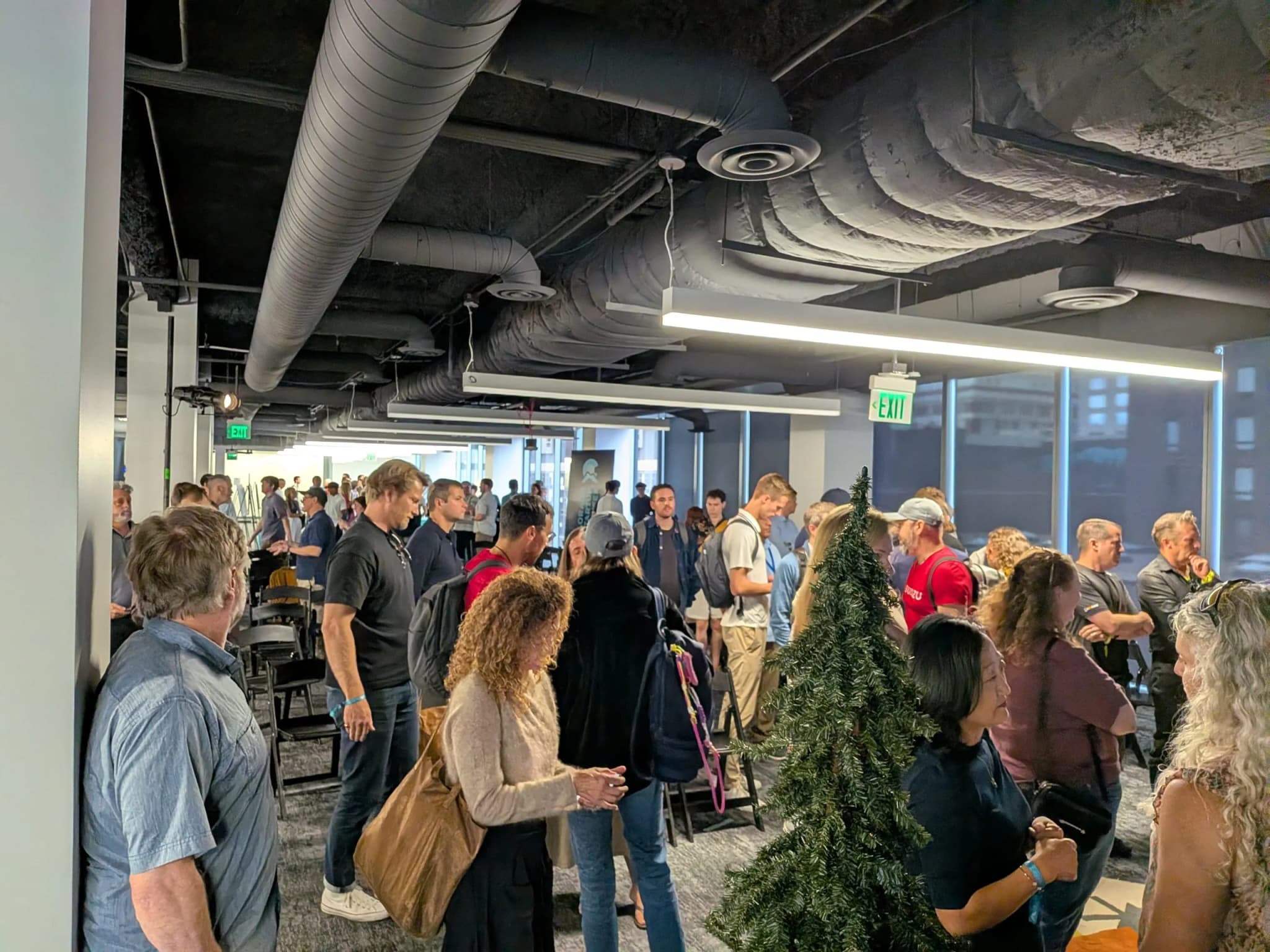
At a meeting in Sterling on April 30, the room didn’t buzz with excitement; it hummed with the heavy, practical weight of problem-solving. Six community leaders stood up to talk, and they didn’t mince words. They didn’t talk about fixing the counties one by one. They talked about erasing the lines.
“The (county) lines were all drawn by someone in Denver a long time ago,” said Don Brown, a Yuma farmer and rancher and former Colorado Agriculture Commissioner. “They’re mostly str[aitjackets].”
Brown wasn’t alone. Gillian Laycock, Akron’s town manager, Margot Eversall from the Rural Communities Resource Center, Tricia Hermann of the Colorado Housing and Finance Authority, Logan County rancher Josh Sonnenberg, and Jim Yahn, a Logan County Commissioner and irrigation manager, all nodded in agreement. Collaboration isn’t just a buzzword here; it’s an ethos, because survival requires it. You can’t solve a housing crisis in Phillips County if the water rights are in Yuma and the healthcare funding is stuck in Logan.
The report argues that the socioeconomic challenges are too big for any single jurisdiction to handle. The poverty is concentrated, but the resources are scattered. The housing deficit is regional, but the development is local. To fix it, the region has to stop looking at the map as a collection of separate islands and start seeing it as a single, interconnected organism.
It’s a difficult shift. It means trusting your neighbor in a different county with your tax dollars. It means accepting that the wind farm in Sedgwick might pay for the clinic in Morgan. It means realizing that the "big socioeconomic challenges" aren't just about money, they’re about geometry. The lines on the map are arbitrary, but the hunger is real.
When the meeting in Sterling ended, the sun was setting over the plains, casting long, bruised shadows across the dirt roads. The air cooled, carrying the distant lowing of cattle and the hum of the new solar arrays. It was a beautiful, difficult place, full of promise and full of pain, waiting for the people who lived there to finally work together.
Keep up with Colorado
The day's Western Slope news, one email each morning. Free.


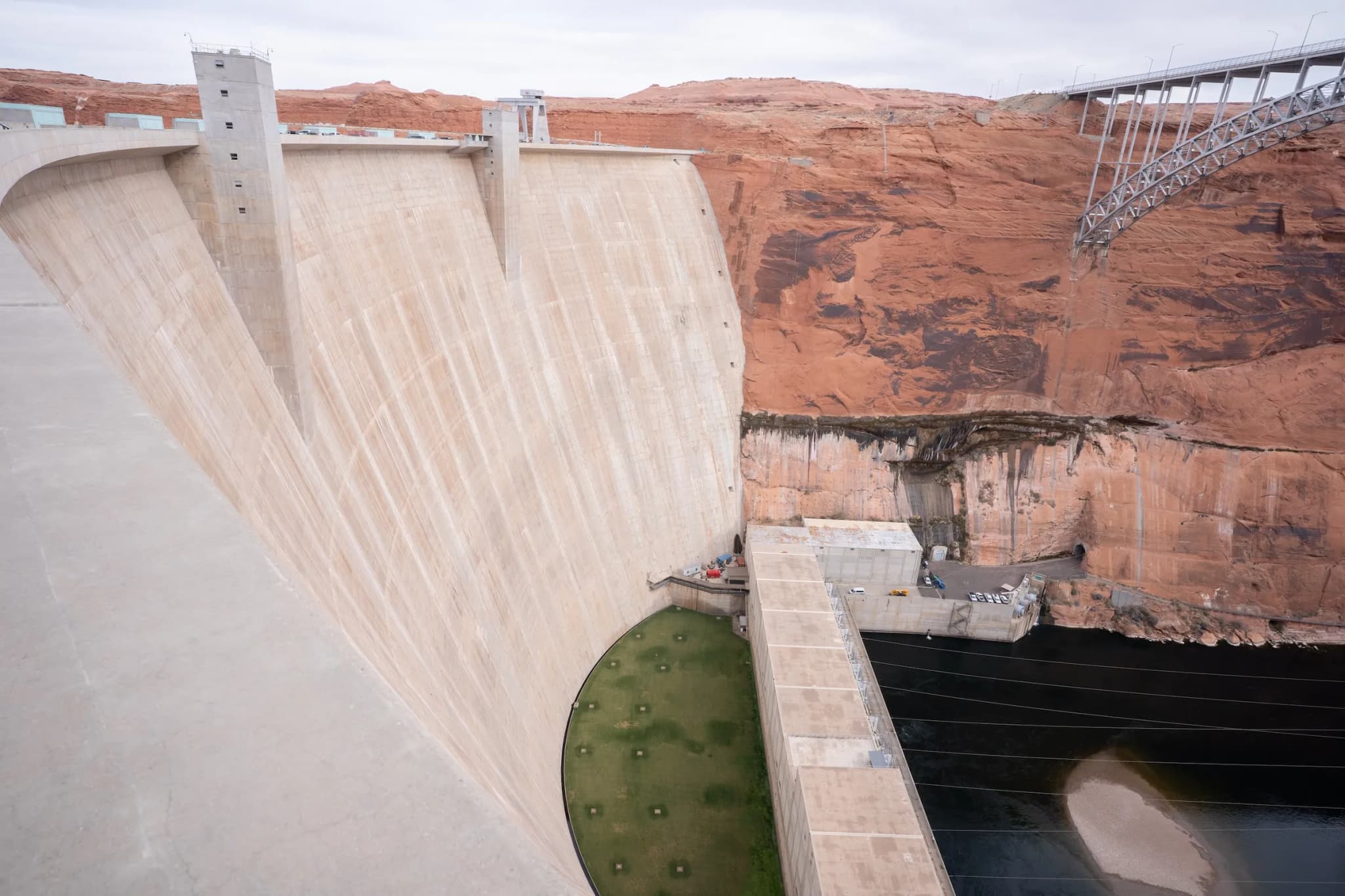
Federal Report Sets 200,000 Acre-Foot Water Conservation Target for Upper Basin

Colorado Parks and Wildlife Deploys Precision Drones for Weed Control