Colorado Democrats Censure Gov. Jared Polis Over Tina Peters Release
The Colorado Democratic Party voted overwhelmingly to censure Gov. Jared Polis for shortening the prison sentence of former Mesa County Clerk Tina Peters, barring him from featured roles at official functions.
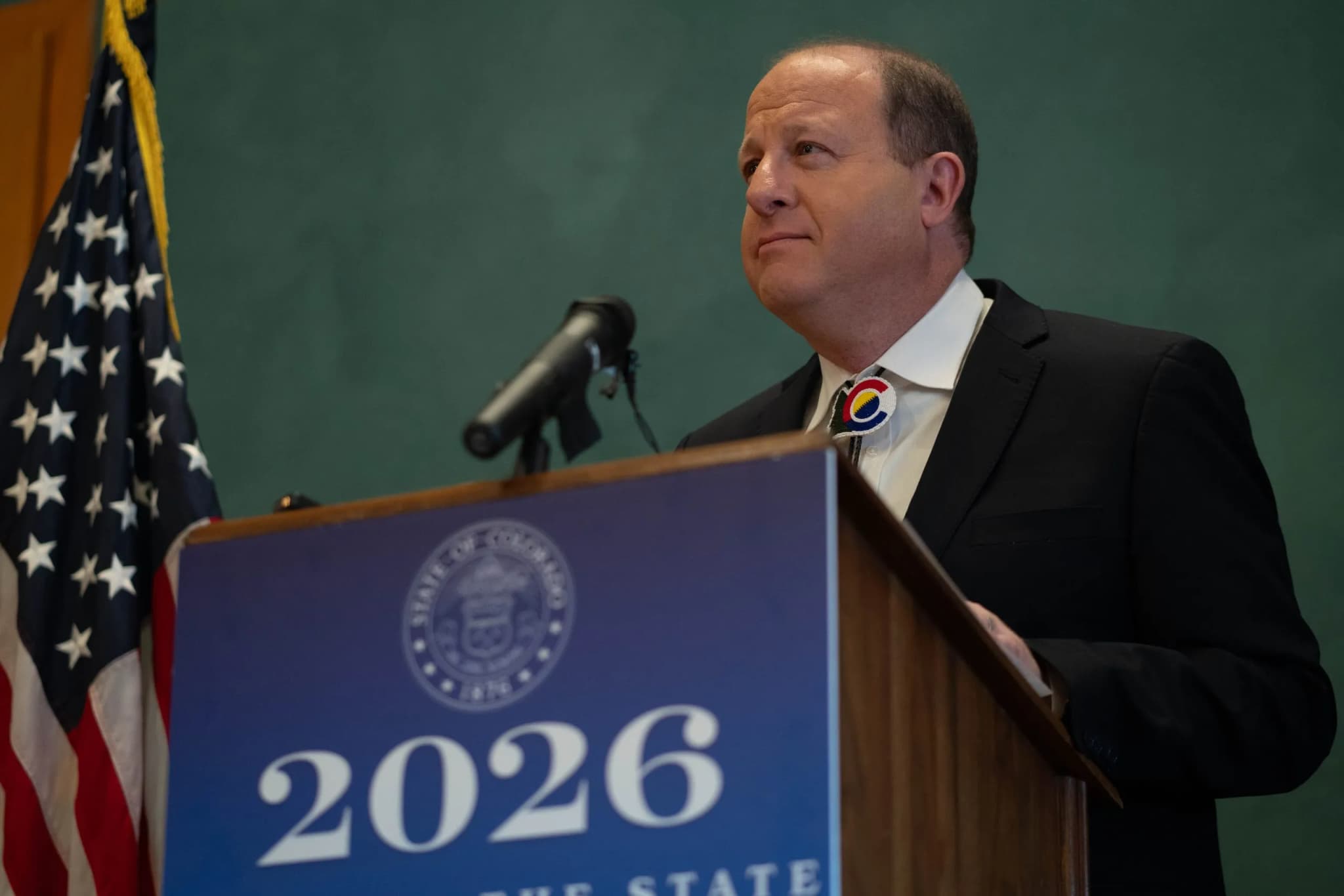
Colorado —"Tina Peters’ release is a direct rebuke of the principles of accountability and election integrity that uphold our democracy."
Zane Schichtel, a Democrat from Montezuma County, didn’t mince words when he took the floor. He wasn’t talking about a minor policy tweak or a budgetary adjustment. He was talking about the very foundation of how Colorado’s clerks count votes and how the state’s most powerful executive decided to untie the knot.
The Colorado Democratic Party voted Wednesday night to censure Gov. Jared Polis, condemning his decision to shorten the prison sentence of the former Mesa County Clerk. The vote was overwhelming. Almost 90% of the central committee members raised their hands. It wasn’t just a nod of approval; it was a slap on the wrist for the man who has been the face of the party for most of the last eight years.
Picture this: A packed hall in Denver, the air thick with the kind of tension that usually precedes a breakup. Polis is still the governor. He’s still the party’s golden boy. But now, he’s being told to sit in the back row.
The censure bars Polis from being a featured speaker or honored guest at official Democratic functions. That’s the tangible part. The symbolic part is heavier. It’s a party distancing itself from its governor ahead of the 2026 election. It’s a public stand against leniency for an election denier who was convicted of multiple felonies.
Schichtel called it what it is: "not a small policy disagreement at all whatsoever."
And that matters because Peters wasn’t just any inmate. She was the poster child for President Donald Trump’s efforts to deny the results of the 2020 election. Her role in the election security breach made her a national symbol. When Polis cut her sentence in half and ordered her release on June 1, he didn’t just free a woman. He freed a narrative.
The reaction was immediate and polarized. The political right celebrated. The left raged. Election officials in both parties looked on in horror. County clerks across the state warned that Peters’ release would encourage further unfounded conspiracies about voter fraud. It would bring additional threats to the people who actually count the votes.
Shad Murib, the chair of the Democratic Party, said nearly 600 Democrats had signed onto a petition calling for a formal censure. The pressure was building. It wasn’t just about Peters anymore. It was about who gets to speak for the party when the stakes are this high.
In a statement following the censure, governor’s office spokesperson Eric Maruyama defended the move. Polis made his decision "based on the facts of the case and what he believed was the right thing to do," Maruyama said.
"Sometimes the right thing isn’t the popular thing with everybody," Maruyama added. "Democracy is strongest when disagreement is met with debate and dialogue, not censorship."
It’s a clean defense. It’s also a bit detached from the noise. The noise includes folks who think Peters’ release is a signal that the system is rigged. It includes clerks in Delta and Mesa who are still picking up the phone when a caller asks if the votes were really counted.
The censure statement approved by the committee didn’t just criticize Polis. It condemned the act itself. It said the party stands against leniency for those who challenge the core mechanism of American democracy.
Now, the party waits. The 2026 election is looming. Polis is barred from the spotlight at official functions. He’s still the governor, but he’s no longer the guest of honor. The message is clear. The party is watching. And it’s not blinking.
Outside the hall, the sun was setting over the capitol. The votes were counted. The decision was made. Peters is still in prison, but her shadow is already stretching across the state.
Keep up with Colorado
The day's Western Slope news, one email each morning. Free.
Federal Report Sets 200,000 Acre-Foot Water Conservation Target for Upper Basin

Colorado Parks and Wildlife Deploys Precision Drones for Weed Control