Vail Cuts Outdoor Water Use by One-Third Amid Record Drought
Vail proposes slashing outdoor water usage by over a third to combat record-breaking drought and low snowpack, risking dormant turf and dry fountains while maintaining tourist appeal.

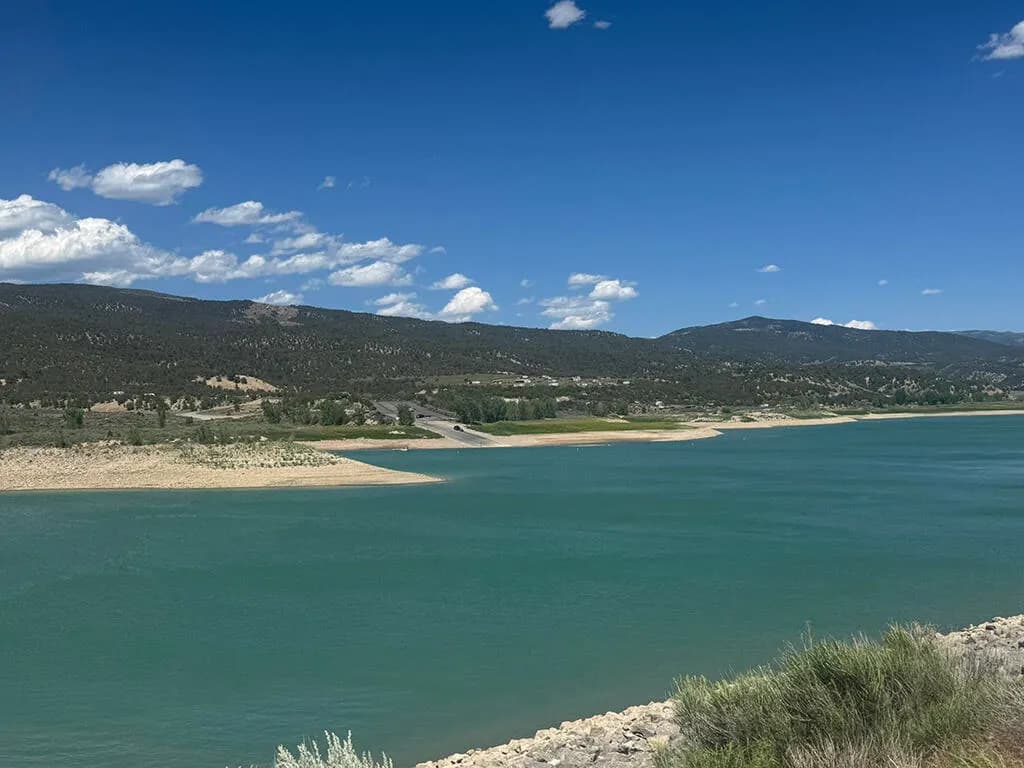
Aspen —The water in Gore Creek is still rushing, but it’s running leaner than it has in decades. Just upstream from the Red Sandstone Creek confluence, the current feels thinner, the rocks more exposed, a visual testament to a snowpack that peaked three weeks early and is now receding into the summer heat.
That’s the reality Vail is staring down.
The town isn’t just preparing for a dry summer; it’s preparing for a record-breaking drought driven by historically low snowpack. And the response from town staff is aggressive. They want to slash outdoor water usage by more than a third. That’s not a suggestion box idea. That’s a plan.
Greg Barrie, Vail’s senior landscape architect, laid it out for the Town Council a few days after the local waterways hit their peak flow. The goal is twofold: comply with the new, tighter restrictions from the Eagle River Water and Sanitation District (ERWSD) and keep the town looking like a tourist destination.
ERWSD already shifted its outdoor watering schedule from three days a week to two. Vail plans to go further. Barrie said the town wants to maintain "some level of public amenity," specifically turf grass on athletic fields, even as the rest of the landscape turns brown.
“We do have a busy summer season, so we’ll take that into account,” Barrie said.
But that amenity comes with a cost. The town is proposing to eliminate irrigation in many nonessential turf areas. Neighborhood parks could see their grass go dormant. And if the grass goes dormant, it turns brown. If you walk on it, you break it. Once dormant, bluegrass can’t tolerate foot traffic without sustaining damage. So, temporary closures are likely.
Picture Bighorn or Ellefson pocket parks. The turf there might get the axe or go into deep sleep. Meanwhile, Donovan and Ford Park keep their fields green for the games. It’s a calculated trade-off, and the Town Council seemed to buy it.
Then there’s the water features. Four of Vail’s six fountains could go dry entirely. The Children’s Fountain in Vail Village and the Sunbird Park splash pad in Lionshead might only run on weekends. It’s a significant reduction in the visual and tactile cooling that visitors and locals rely on when the temperature climbs.
Barrie noted that this isn’t a panic response. It’s a routine adjustment for a town that’s been managing drought for a while.
“This isn’t our first drought scenario,” Barrie said. “We’ve been dealing with these for the last 25-30 years and have really become much more resilient in town in how we manage these drought scenarios.”
Over those decades, Vail has replaced about 1.4 acres of thirsty bluegrass turf with native grasses, shrubs, and perennials. That switch cut water use in those specific areas by as much as 60%. It’s a slow, expensive, but effective adaptation.
The pressure is still building. Flows in Gore Creek and the Eagle River peaked over the weekend, well ahead of the normal schedule. If those flows continue to decline, additional restrictions are likely. The ERWSD will update the community on its regular meeting next week, May 28, at its main office in Vail at noon.
For now, the town is betting on resilience. It’s betting that the grass can go brown, the fountains can stop spraying, and the tourists will still come. But as the creek continues to shrink, the margin for error gets thinner. The water is there, but it’s running out faster than anyone expected.
Keep up with Aspen
The day's Western Slope news, one email each morning. Free.