Aspen Appoints Daniel Lawson as New Public Works Director
Aspen appoints Daniel Lawson, a former National Park Service public works director, to lead the town's infrastructure, parking, and transportation efforts, focusing on community engagement and managing seasonal congestion.
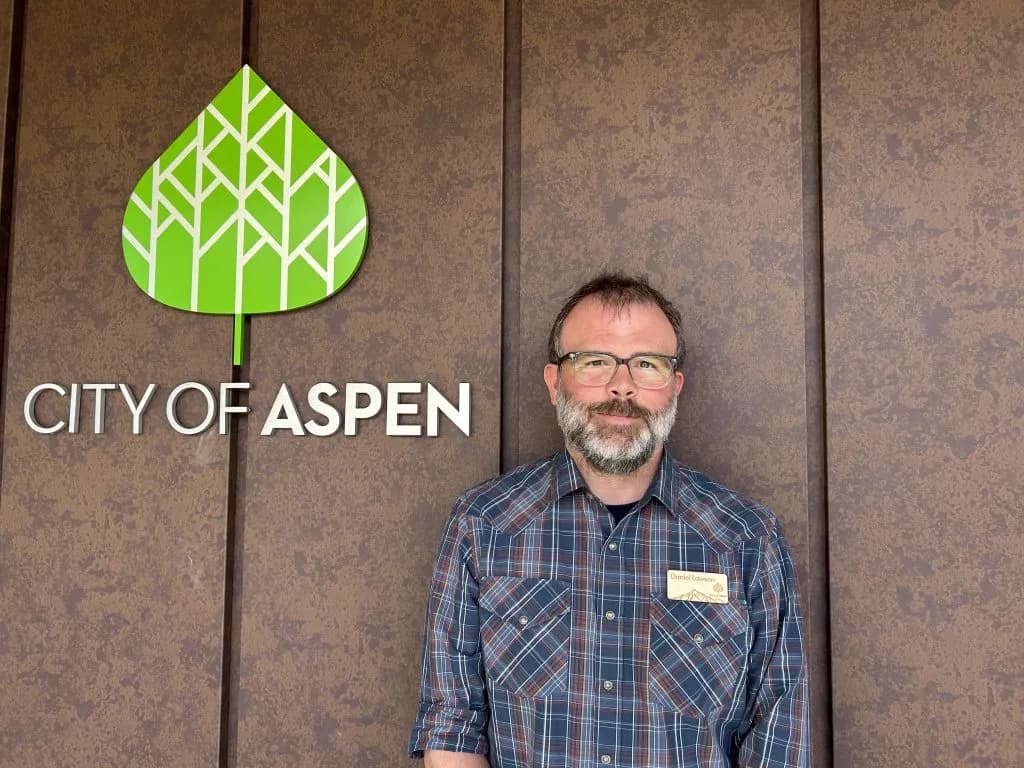
Aspen —The snowplow doesn’t just clear the road; it negotiates with the mountain. You can feel that tension in the bite of a winter commute on U.S. 6, where the asphalt fights the ice, and the infrastructure is constantly being asked to hold its breath against the weight of the Rockies. It’s a delicate balance, one that requires more than just grit and salt — it requires a philosophy of how a town fits into its landscape. That is the quiet, often invisible work of the public works director, a role Aspen has just filled by appointing Daniel Lawson, a man who spent years teaching the National Park Service how to manage the wild.
It’s easy to assume that moving from the vast, untamed expanses of Arches and Canyonlands to the dense, tourist-heavy hub of Aspen is a step down in scale, or perhaps a shift from preservation to management. But if you look closely at the appointment, there’s a different narrative emerging. Tyler Christoff, the deputy city manager who previously held the director’s seat, sees it not as a retreat from the frontier, but as a strategic alignment. Lawson isn’t just bringing technical expertise; he’s bringing the specific, hard-won knowledge of how to maintain order in places where nature is the primary tenant.
Lawson’s resume is a map of Colorado’s most dramatic geology. He served as public works director for Arches, Canyonlands, and most recently, Rocky Mountain National Park. Now, he’s turning his attention to the engineering, parking, transportation, and streets that keep Aspen’s four departments running. It’s a complex pivot. The challenges here aren’t just about potholes and pipe bursts; they’re about the seasonal economic tides that flood the valley with visitors, the inclement weather that shuts down the pass, and a public that is unusually, fiercely engaged in how their town looks and functions.
“The community is very engaged,” Christoff noted, “and so we’re able to leverage … cutting edge ideas from members of the community to create and improve on the amazing things that we already have here.”
This isn’t a top-down directive from a distant county seat. It’s a collaborative effort, and Lawson knows it. He’s currently in what he calls a “learning and listening” phase, settling into a role he describes as complex. He’s not coming in with a sledgehammer; he’s coming in with an ear. He’s aware of the congestion that clogs the arteries of the town, the parking crunch that frustrates locals and tourists alike, and the overall experience of getting in and out of a valley that feels like a bottleneck in the spring and a sanctuary in the winter.
“I’m aware of the ongoing and emerging challenges around congestion, parking and the overall experience people have getting in and out of town, and I know that’s not new to anyone who lives or works here,” Lawson said. “I’m excited about digging into those issues with the team and with the community and figuring out how we can keep making progress on those fronts.”
There’s a warmth to the way he talks about his Colorado roots, a familiarity that grounds his technical background. He grew up here, he says, and understands what makes these mountain communities special. But he also sees Aspen as setting a high bar — a benchmark for how a community takes care of its infrastructure, its environment, and its people. It’s a high bar that demands sustainability, not just as a buzzword, but as a daily operational reality.
Christoff emphasized that Lawson is an addition to an already effective team, not a replacement for it. The real work, the day-in, day-out maintenance that keeps the lights on and the roads passable, is done by the staff. Lawson is the leader, but the credit belongs to the folks who shovel the sidewalks and fix the streetlights. It’s a reminder that in a town this size, the director is just one voice in a chorus of people who keep the valley moving.
As the sun dips behind Castle Mountain, casting long shadows over the snow-packed streets, the plows are already circling back, their blades scraping against the concrete curbs. It’s a rhythmic, mechanical sound that says the town is awake, that the infrastructure is holding, and that someone is watching the road.
Keep up with Aspen
The day's Western Slope news, one email each morning. Free.