Xerces Society Recruits Volunteers for Western Colorado Bumble Bee Atlas
Join the Xerces Society for the Western Colorado Bumble Bee Atlas. Learn how to help survey pollinators at the May 29 training workshop.
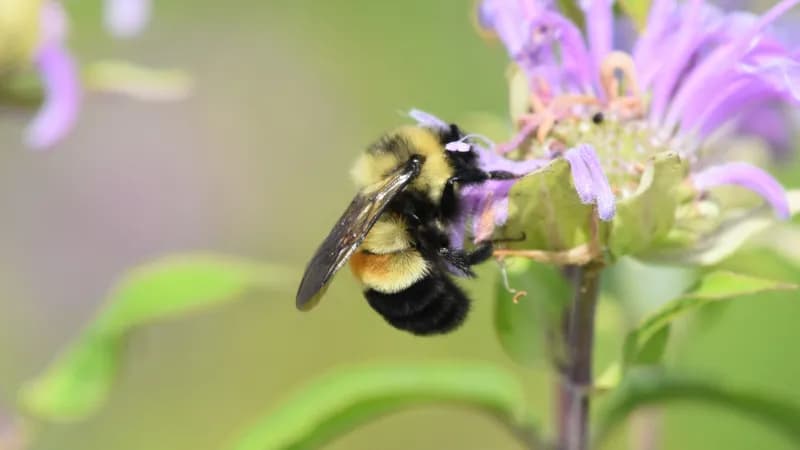
Western Slope —“It would take me the rest of my life to survey for bumble bees across just the state of Colorado.”
That’s the scale of the task facing conservation biologists in the West. But add a network of neighbors willing to step outside with a net and a camera, and suddenly, the impossible becomes a manageable afternoon project.
Amy Dolan, a conservation biologist for the Xerces Society for Invertebrate Conservation, isn’t bluffing. The work is grueling. The terrain is unforgiving. The weather shifts from freezing mornings to blistering afternoons in the blink of an eye. And yet, she needs you.
The Mountain States Bumble Bee Atlas is back for its third field season, and it’s casting a wide net for volunteers across Western Colorado. This isn’t a high-tech satellite survey waiting for data to trickle in from space. It’s boots on the ground. It’s eyes on the flowers. It’s the kind of citizen science that turns your backyard into a laboratory and your weekend hike into a contribution to global conservation.
Here’s the thing though: bumble bees are in trouble. At least 24 species call Colorado home, and they’re facing a perfect storm of threats. Habitat loss. Disease. Pesticide use. Competition from commercial bees. And, increasingly, extreme heat waves and droughts that make finding the very flowers they rely on a challenge.
The Atlas aims to map exactly where these pollinators are hanging out and what flowers they’re visiting. That data is critical. It helps scientists understand distribution and habitat needs, guiding conservation efforts in the Mountain West region. But you can’t map what you can’t find. And in remote, rugged Western Colorado, finding them requires a lot of people walking a lot of miles.
The project is run by the Xerces Society, supported by the U.S. Bureau of Land Management and the Colorado Department of Parks and Wildlife. It covers Colorado, Wyoming, Utah, and Nevada. But the immediate need is local. The project needs a “large network of dedicated volunteers” to cover the ground that researchers simply can’t cover alone.
If you’re thinking about lending a hand, mark your calendar. There’s a free training workshop on Friday, May 29. It runs from 10 a.m. to 3 p.m., splitting time between an indoor classroom session at the Confluence Center of Colorado and outdoor learning at the Western Colorado Botanical Gardens. You’ll learn the catch-photograph-release method — how to gently capture, photograph, and release the bees without harming them. It’s precise work. It’s respectful work.
Registration is encouraged at www.bumblebeeatlas.org because space is limited. You don’t need to be an entomologist. You just need to be willing to learn.
“Bumble bees are beautiful and fascinating animals. They’re also really important pollinators,” Dolan said. “I love introducing people to them and sharing how we can all make a difference.”
That’s the pitch. Not a plea for funding, but a call for participation. The Xerces Society has the infrastructure. The government agencies have the backing. But the actual observation? That falls to us. To you. To the folks who live here, who drive the roads, who notice when the wildflowers start to thin out in July.
Picture this: You’re standing in a patch of sagebrush off Highway 6, net in hand, watching a fuzzy bumble bee dive into a purple flower. You snap a photo. You release it. You’ve just added a data point that might help ensure that flower has a pollinator next year. That’s the work. That’s the impact. And it’s happening right here, in our valley, one bee at a time.
Keep up with Western Slope
The day's Western Slope news, one email each morning. Free.
NWRM CASA Honors Judge O’Hara and Founders at 15th Anniversary

Craig Hosts Only Regional Special Olympics Bowling Competition
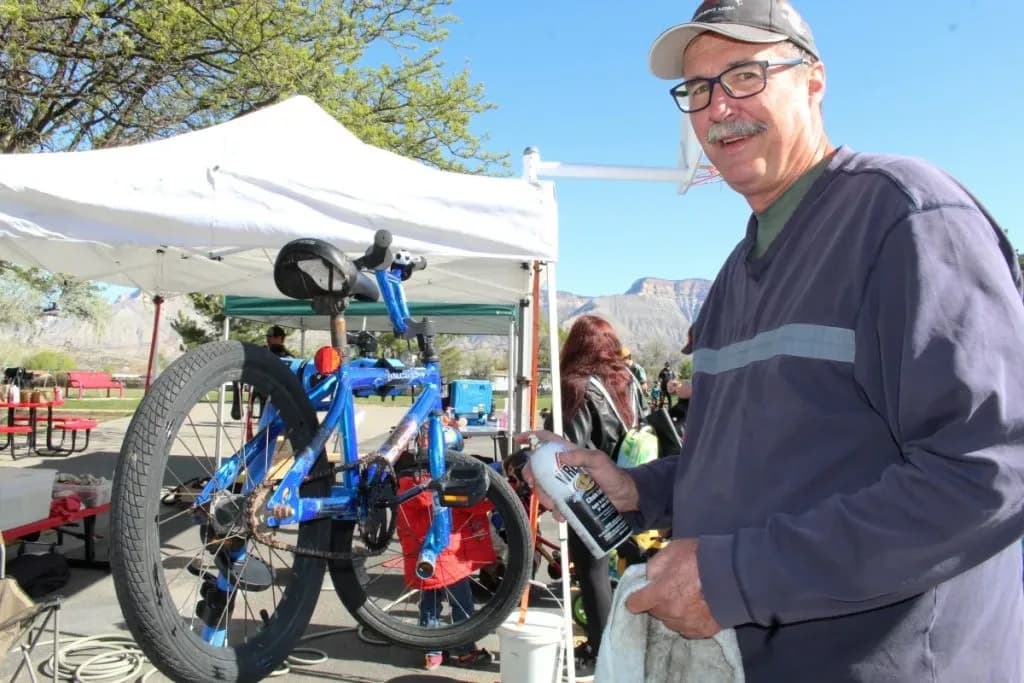
Parachute Bike Clinic Seeks Permanent Home After 66 Free Repairs
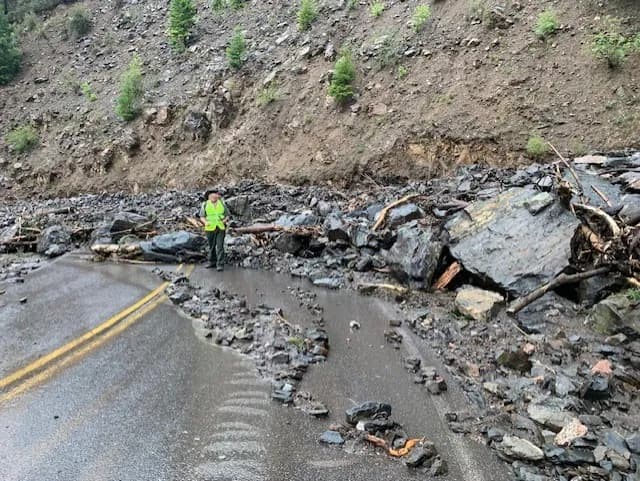
Mudslides Strand Visitors on East Portal Road After Heavy Rain

How Western Slope Residents Can Safely Wash Produce Amid Cyclospora Outbreak