Mikaela Shiffrin Says Isolation, Not Pressure, Is Athlete's Enemy
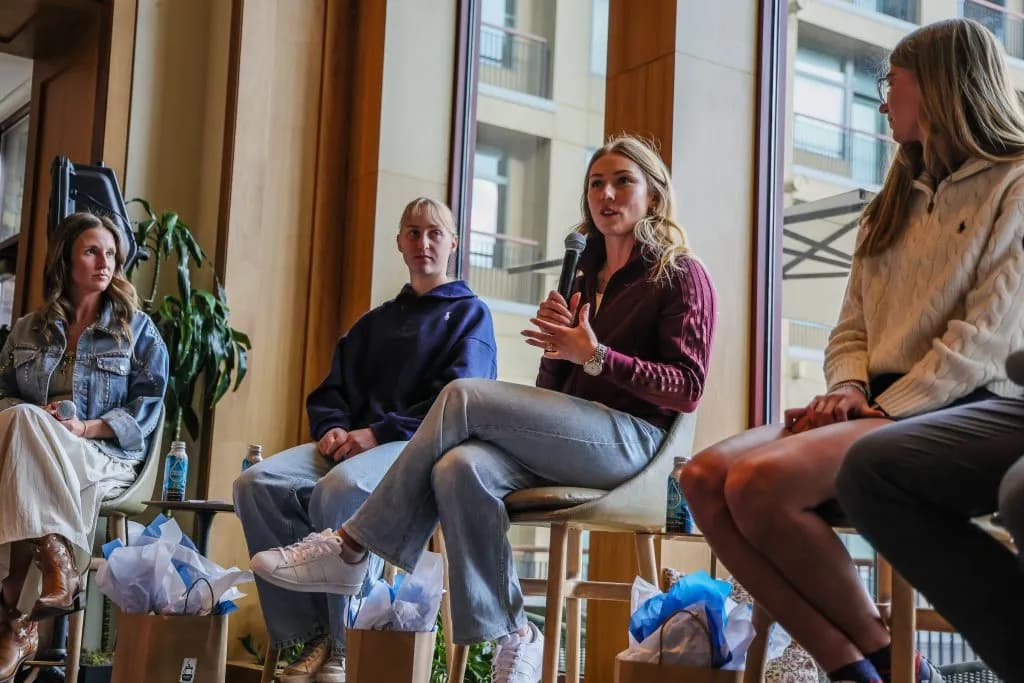
Mikaela Shiffrin joins Liz Lemley and Meg Gustafson at The Westin Riverfront Resort in Avon for the 'Local Legends: Edge of Resilience' panel, arguing that feeling isolated, not pressure, is the true enemy of elite athletes.
Aspen —“The enemy isn’t nerves or pressure or fear, the enemy is feeling isolated.”
Mikaela Shiffrin didn’t mince words when she took the stage at The Westin Riverfront Resort & Spa in Avon on Tuesday. The winningest Alpine skier of all time wasn’t there to brag about crystal globes. She was there to talk about the silence that comes after the crowd leaves.
The event, titled “Local Legends: Edge of Resilience,” drew a mix of hometown heroes and local support systems. It wasn’t just a press junket. It was a conversation about mental health, resilience, and the specific kind of community support that keeps people from breaking under pressure.
Shiffrin, who won gold in slalom at the Milano Cortina Olympics in February before securing a record-setting sixth World Cup crystal globe, led the charge. Liz Lemley, the Vail mogul skier, followed with gold and bronze from the same Games. Then came Meg Gustafson and her brother, Spenser, who served as her guide and, in Meg’s words, her therapist during the Paralympics.
The panel was organized in partnership with SpeakUp ReachOut, Howard Head Sports Medicine, and Healthspan. The sponsors matter less than the message: elite performance doesn’t inoculate you against isolation.
Shiffrin opened by noting a shift in how athletes view their own narratives. For decades, the story was just the win. Now, it’s about what lies outside the competition.
“You have so many athletes, including myself, talking about what gives you something outside of just competition,” Shiffrin said. “And that, for me, felt like a really cool shift. And it just makes me really excited to see what the next 10, 15, 20 years of sport have to bring … that’s really inspiring to me.”
It’s a nice sentiment. But the practical application is where the real work happens.
Lemley, who recently got an Olympic rings tattoo to commemorate her experience, didn’t rely on a team of psychologists to manage the nerves. She relies on music.
“If I couldn’t think of any positive thoughts, (I would) sing a song,” Lemley said.
She emphasized that you don’t need a licensed professional to have a mental health conversation. You just need to talk. It doesn’t have to be with a therapist or a sports psych. It just has to be with someone.
For Meg Gustafson, that someone was her brother, Spenser.
“He was my therapist for me while I was at the games,” she said. “That’s what brothers are for.”
It’s a simple answer. It cuts through the jargon of sports psychology. It reduces a complex mental health strategy to a family dynamic.
The enemy, Shiffrin argued, isn’t the pressure. It isn’t the media spotlight. It isn’t even the risk of injury. The enemy is isolation.
“The enemy isn’t nerves or pressure or fear, the enemy is feeling isolated,” she said. “And in order to not feel isolated, you just look around at the people who are with you and share what you’re experiencing together.”
Locals in Avon and Vail know this. They see it in the high school gyms and the local ski slopes. They see it in the way neighbors check in after a bad day. The elite athletes here aren’t operating in a vacuum. They’re part of the same fabric.
The event ended with that core idea: connection is the antidote. No grand announcements. No new funding streams promised. Just a reminder that even at the top of the podium, you still need people to stand next to you.
Shiffrin left the room with the sense that the next decade of sport will be defined by this openness. The rest of the sporting world will have to keep up. But for now, the message is clear. Don’t suffer in silence. Sing a song. Talk to your brother. Look around.
Keep up with Aspen
The day's Western Slope news, one email each morning. Free.

NWRM CASA Honors Judge O’Hara and Founders at 15th Anniversary
Craig Hosts Only Regional Special Olympics Bowling Competition