Boulder County Reverses CEMEX Shutdown, Keeping Lyons Kiln Open
Boulder County planning director Dale Case rescinds the 2024 termination order for the CEMEX cement kiln in Lyons, citing undisclosed traffic data that claims no significant increase in truck volume on Colorado 66.
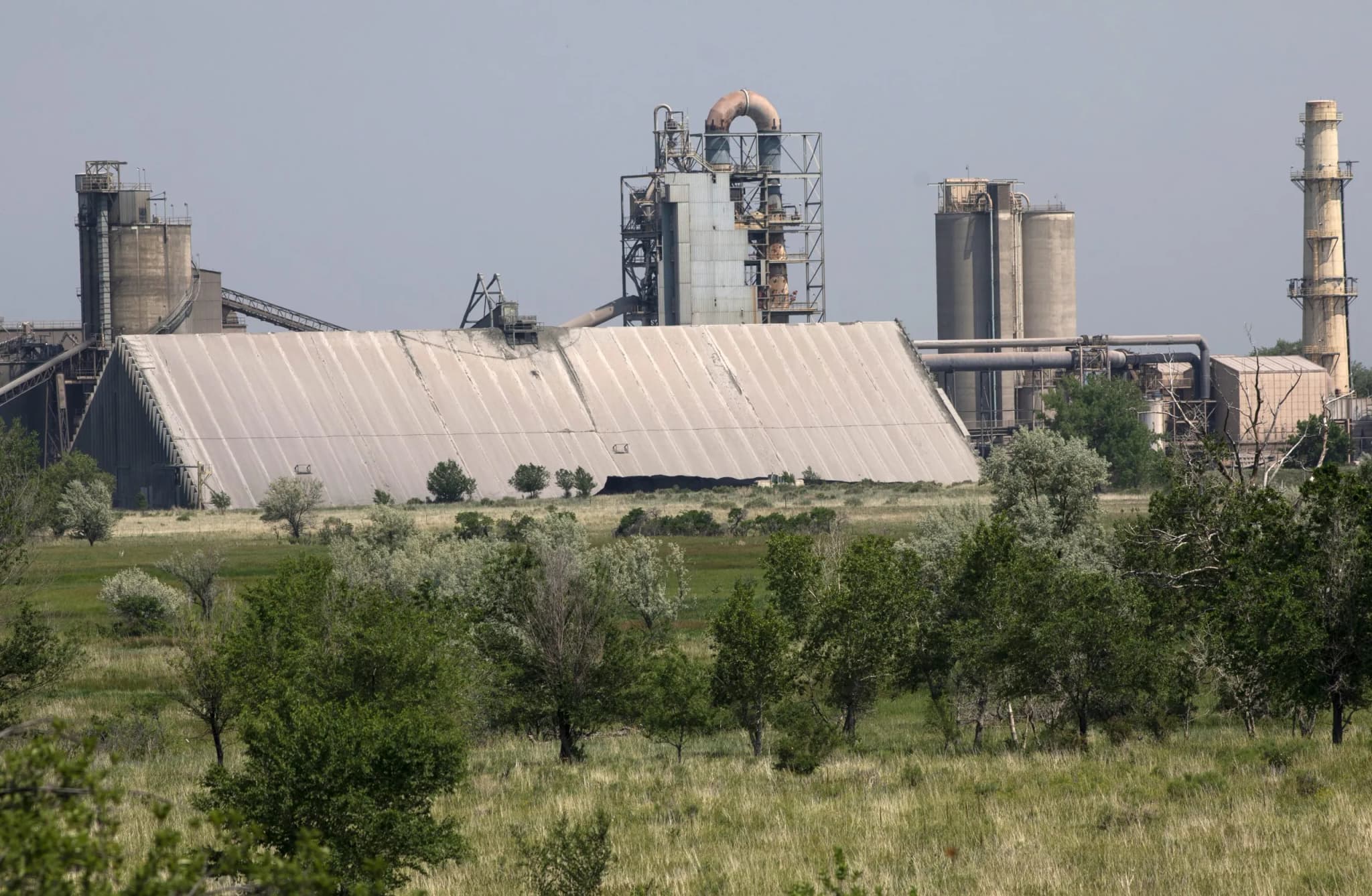
Colorado —“We are deeply disappointed by Boulder County’s reversal. This decision reads like Boulder County treated inconvenient facts as obstacles to get around rather than evidence it had to confront.”
Sarah Lorang didn’t mince words. The neighbor who organized the opposition to CEMEX in Lyons delivered that quote Tuesday, right after the county planning office pulled the plug on its own 2024 termination order. The result? CEMEX keeps its kiln running.
The lifeline was thrown by Dale Case, Boulder County Community Planning and Permitting Director. He rescinded the notice that had told the cement giant to pack up. The reason? Truck traffic. Specifically, the volume of trucks moving on Colorado 66.
Case’s office argued that previous studies had overstated the traffic. The 2024 termination had ruled that increased trucking violated nonconforming use provisions in the plant’s land use permit. That ruling was supposed to force a shutdown. It didn’t. The new reversal says there was “no significant increase in truck traffic to and from the property since the closure” of the CEMEX Dowe Flats materials quarry across the highway in 2022.
They compared current numbers to a traffic study from 1994. That’s the baseline. Forty years old.
Neighbors aren’t buying it. They thought they’d won a long-running battle to close the controversial plant. Now they’re looking at administrative or legal options to stop it again.
Lorang called out the lack of transparency. She said the reversal rests on an “undisclosed traffic study.” She argued the conclusion ignores the central facts in the record.
Jeremy Nichols with the Center for Biological Diversity was even blunter. He called the kiln “old, falling apart, and poses an ever-growing threat to public health and the environment in the region.”
The plant is one of only three cement kilns in Colorado. It sits surrounded by Boulder County and Lyons open space. It pumps out about 300,000 tons of greenhouse gases a year. That’s one of the largest single sources in the state. It has repeatedly violated state rules on controlling dust and other local pollutants.
Nichols noted the plant continues to have trouble complying with its air pollution permit at all times. State efforts to enforce rules haven’t fixed it. He said there was some hope that putting the writing on the wall — the 2024 termination — would force CEMEX to negotiate a reasonable outcome. Instead, the county just reversed itself.
The short version: CEMEX stays. The traffic study says it’s fine. The neighbors say it’s a lie.
The plant has been a target for environmental groups for years. Dust is the visible problem. Greenhouse gases are the invisible one. Both are getting worse. The county’s decision to allow operations to continue means more trucks on Colorado 66. More dust in the air. More emissions in the sky.
Lorang’s team is now weighing their next move. Administrative or legal. The clock is ticking. The kiln is still hot. And the traffic study that justifies keeping it open is sitting somewhere, undisclosed.
Read that again. An undisclosed study. That’s the foundation of the reversal. If the study is hidden, how do locals verify the claim that traffic hasn’t spiked? How do they know the 1994 baseline still holds up against today’s heavy haulers?
Case says the evidence shows no significant increase. Lorang says the evidence is incomplete. The county says the termination was wrong. The neighbors say the termination was right, but the reversal is a betrayal.
The plant doesn’t care who wins the argument. It cares about permits. And right now, it has them.
The reversal throws a lifeline to CEMEX. It infuriates the neighbors. And it leaves the rest of us wondering if the data will ever see the light of day.
Keep up with Colorado
The day's Western Slope news, one email each morning. Free.

Federal Report Sets 200,000 Acre-Foot Water Conservation Target for Upper Basin
Colorado Parks and Wildlife Deploys Precision Drones for Weed Control