Steamboat Springs Chamber Warns of Economic Slowdown Amid Drying Water
Experts at the Steamboat Springs Chamber’s Economic Summit warn that declining water flows and softer visitation are causing lower sales tax collections, threatening local business stability and job retention.
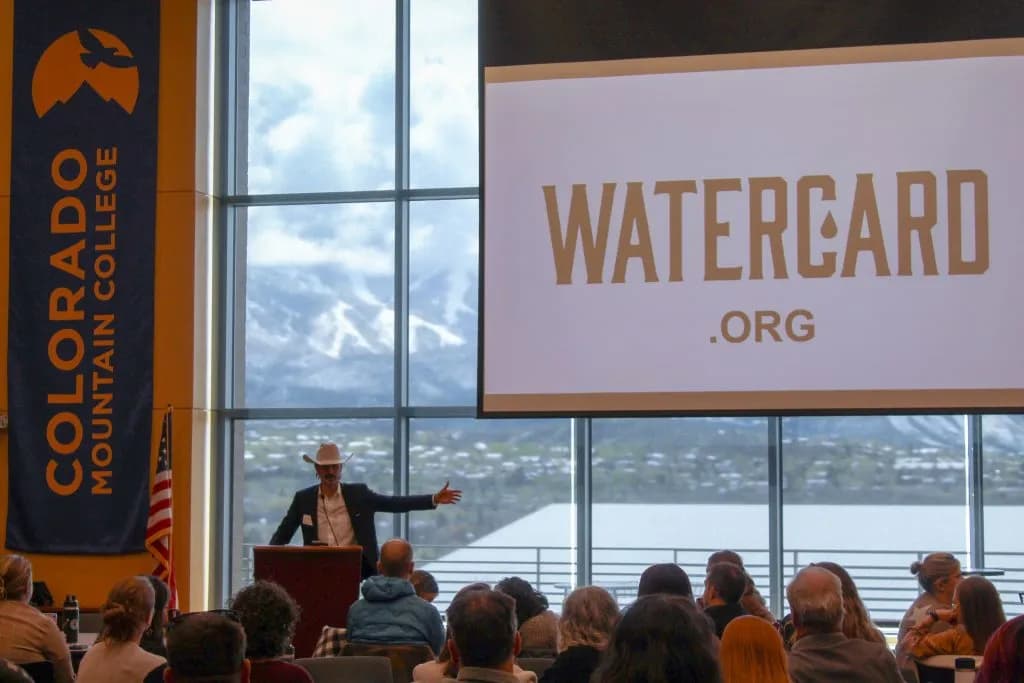
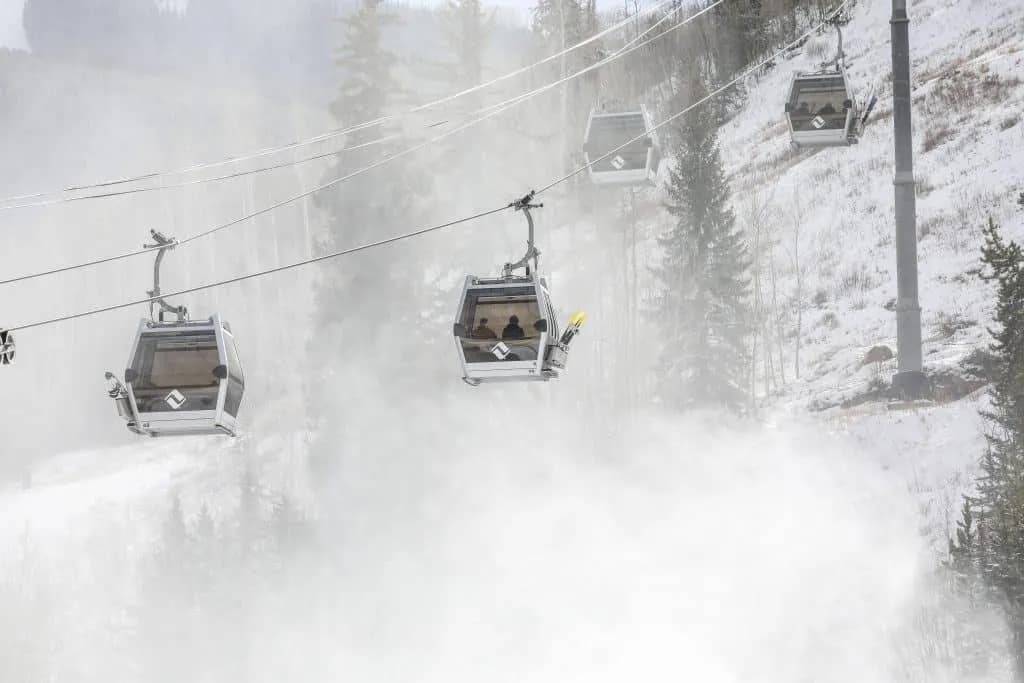
Steamboat Springs —“Following a dry winter season that brought softer visitation and lower than expected sales tax collections, supporting local businesses is essential to sustaining jobs.”
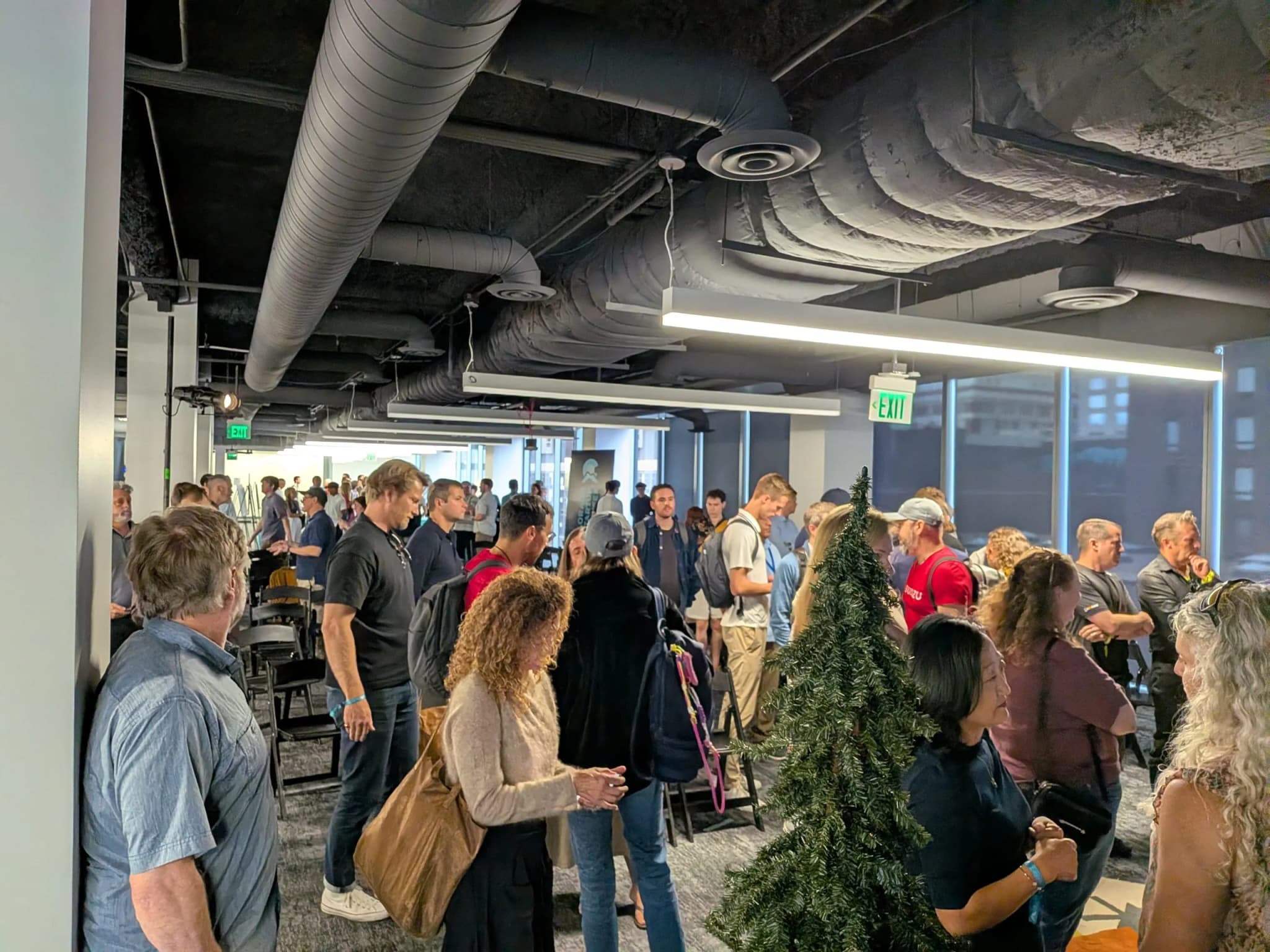
That’s the bottom line from James Eklund, water policy attorney, speaking to a packed room at the Steamboat Springs Chamber’s Economic Summit on May 6. It wasn’t a dramatic warning about bankruptcy or mass exodus. It was a quiet admission that the region’s economic engine is sputtering because the water isn’t there to cool it, and the tourists aren’t coming in the numbers they used to.
The Steamboat Springs Chamber partnered with the Routt County Economic Development Partnership to convene this summit. They brought in local and regional experts to map out where the Yampa Valley’s economy is headed. The message was clear: growth for growth’s sake is dead. Now, it’s about survival and adaptation.
Eklund laid out the hard data first. The Colorado River’s average flows have fallen about 20% every year since 2000. That’s not a trend. That’s a trajectory. And it’s reshaping everything from local agriculture production to the food systems that feed our restaurants. If the crops fail or the water rights get tied up in legislation, the ripple effects hit the sales tax directly. Steamboat’s economy leans heavily on visitation and sales tax. When the environment shifts, the revenue stream dries up.
The result? Softer visitation. Lower sales tax collections.
Let’s put that in perspective. A drop in sales tax isn’t just a line item on a spreadsheet for the state. It’s less funding for road maintenance in Steamboat. It’s tighter budgets for the fire district. It’s the difference between keeping a popular local bakery open or watching it close its doors because the foot traffic dropped.
Wade Buchanan, director of the Colorado Office of Just Transition, added another layer to the puzzle. He examined how the coal transition is altering the region’s operational model. This isn’t just about power plants closing. It’s about jobs disappearing, public revenues shrinking, and the local tax base losing its stability. The community can’t just pivot to tourism and hope the rest of the world pays attention. The industrial base is changing, and it’s taking a chunk of the revenue pool with it.
Dr. Phyllis Resnick from the Colorado Futures Center at Colorado State University weighed in on the local and state economic outlooks for 2026 and beyond. Parker White, director of the Colorado Competitive Council, offered perspectives on the legislation currently winding its way through the state capital. Local philanthropy rounded out the discussion, trying to plug the gaps that government and industry can’t fill alone.
The year 2026 is already presenting uncertainty. Environmental conditions are unpredictable. National economic uncertainty is a constant variable. The Chamber argues that leadership, strategy, and collaboration are the only ways to navigate this. But collaboration doesn’t pay the bills. Water policy does.
For context, the chamber has been driving this conversation for over a century. They connect businesses and convene leaders. But on paper, their role is advisory. In practice, they are the only group actively trying to stitch together a community that is financially stressed and environmentally constrained.
The summit didn’t offer a magic bullet. It offered a reality check. The economy isn’t just about new buildings or higher property values. It’s about ensuring the economy remains strong enough to support the people who actually live here. That means keeping the lights on for the businesses that provide jobs. It means preserving the quality of life that makes Steamboat special in the first place.
It’s a simple equation that’s getting harder to solve. Less water. Fewer tourists. Shifting tax bases. The community needs to adapt to nature, or it will be forced to. The cost of inaction is already being paid in lower sales tax receipts and softer visitation numbers. The question is whether the local leadership can translate these insights into policy before the next dry season hits.
Keep up with Steamboat Springs
The day's Western Slope news, one email each morning. Free.