Colorado Sky Turns Dark for Taurid Meteor Shower
Early dusk and a low crescent moon create ideal viewing conditions for the Northern Taurid Meteor Shower, prompting guides to encourage residents to step outside and observe the sky.
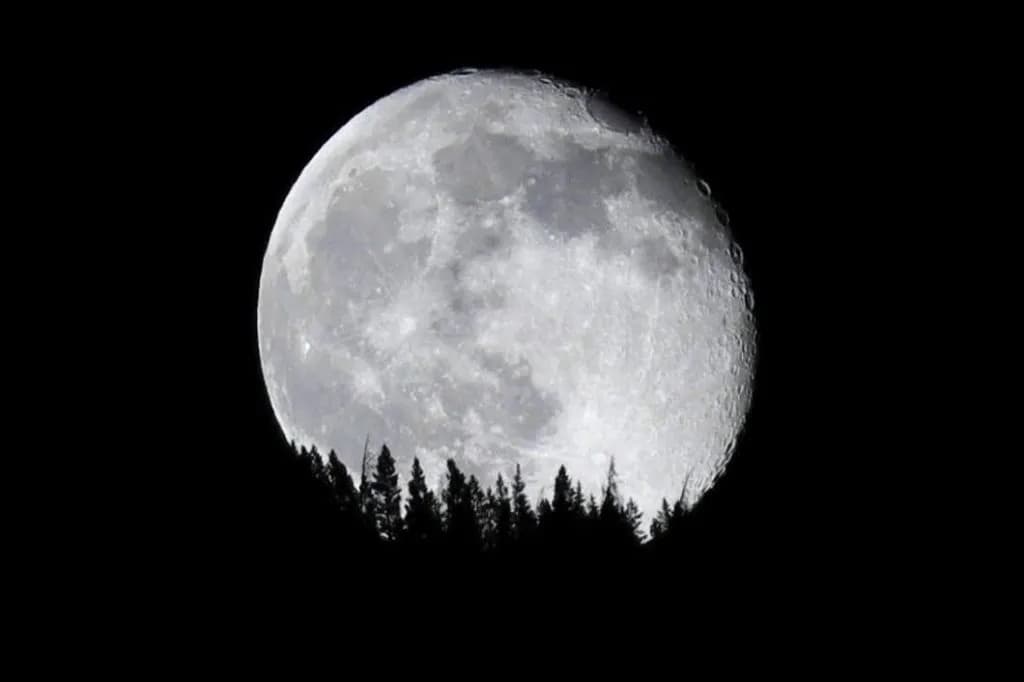
Steamboat Springs —The first thing you notice in November isn’t the cold biting at your cheeks, but the sudden, heavy drop of darkness. It arrives early now, settling over the valley by 5 p.m., turning the familiar landscape into a silhouette against a deepening blue. For most of us, this shift means shorter walks and earlier dinners. But for those with a telescope or just a pair of binoculars, this early dusk is a gift. It transforms stargazing from a midnight endurance test into a cozy evening ritual.
Mark Laurin, a Colorado astronomy guide and member of the Denver Astronomical Society, argues that we’re missing out on the sky because we’re still treating it like a summer pastime. He calls the upcoming Northern Taurid Meteor Shower a “can’t miss celestial event,” specifically because the timing aligns perfectly with the new, darker evenings. The shower peaks on the night of Nov. 12, and Laurin notes that the crescent moon sets early, leaving the sky pitch black for hours. That’s rare. That’s good.
If you’ve ever tried to see a meteor during a full moon, you know the frustration. The light washes out everything except the brightest objects. In November, that’s not the case. The moon is low on the horizon for much of the night, and the Milky Way is beginning to rise in the west. It’s a subtle change, but it’s real. You can feel it if you stand still long enough.
There’s a warmth to the idea that the universe is expanding above you, around you, and in you, as Laurin puts it. It sounds poetic, maybe even a bit grand, but it’s grounded in the simple act of looking up. You don’t need to be an astronomer to appreciate it. You just need to be willing to step outside, pull your hood up, and let your eyes adjust. Five minutes is often enough to spark curiosity. Ten minutes might bring you a meteor. An hour could leave you feeling connected to something vast and quiet.
Dark Sky Colorado, a nonprofit that mentors stargazers, points out that our region has a natural advantage. The mountains block light pollution from distant cities, creating pockets of true darkness. More than 20 places in Colorado are officially recognized by Dark Sky International for this quality, including towns like Frisco, Breckenridge, and Ridgway. These aren’t just scenic spots; they’re functional observatories for the naked eye.
So, what should you actually do? Laurin’s advice is refreshingly practical. Dress warmly — really warmly. Bring a chair, because standing for an hour in the cold is a strategy, but not necessarily a sustainable one. Pack a hot drink, something like cocoa, to keep your hands busy and your core temperature up. Find a dark spot, away from streetlights and porch lights. Leave your phone in your pocket, or better yet, turn it off, so the glow doesn’t reset your night vision every time you check a message.
The Northern Taurids will be visible from sunset to sunrise, but the best viewing will likely be after 10 p.m., when the radiant point — the area in the sky where meteors appear to originate, is highest in the sky. Look for Aldebaran, the bright orange star in the constellation Taurus, which will be near the eastern horizon. Meteors will appear to radiate from that general direction, though they can be seen anywhere in the sky.
This isn’t just about catching a few shooting stars. It’s about recalibrating your relationship with the night. We spend so much time under artificial light that we forget how dark it can be. How bright the stars can be. How large the moon can look when it’s rising over a ridge. In November, the supermoon will add another layer to the spectacle, swelling in size and brightness as it climbs the sky. It’s a reminder that the cosmos is dynamic, changing, and accessible to anyone who takes the time to watch.
The end of daylight saving time is often framed as a loss - fewer hours of evening light, earlier bedtimes. But for the stargazer, it’s a gain. More hours of usable darkness. More time to observe. More chance to see something rare. The sky is waiting. The question is whether you’ll be out there to see it.
Keep up with Steamboat Springs
The day's Western Slope news, one email each morning. Free.