Colorado Springs Veteran Trades Rifle for Bike in 1,000-Mile Soldier Ride
Colorado Springs veteran James Bauer joins the Wounded Warrior Project’s Soldier Ride 250, pedaling 1,000 miles from D.C. to Manhattan to combat veteran suicide and prove recovery is possible.
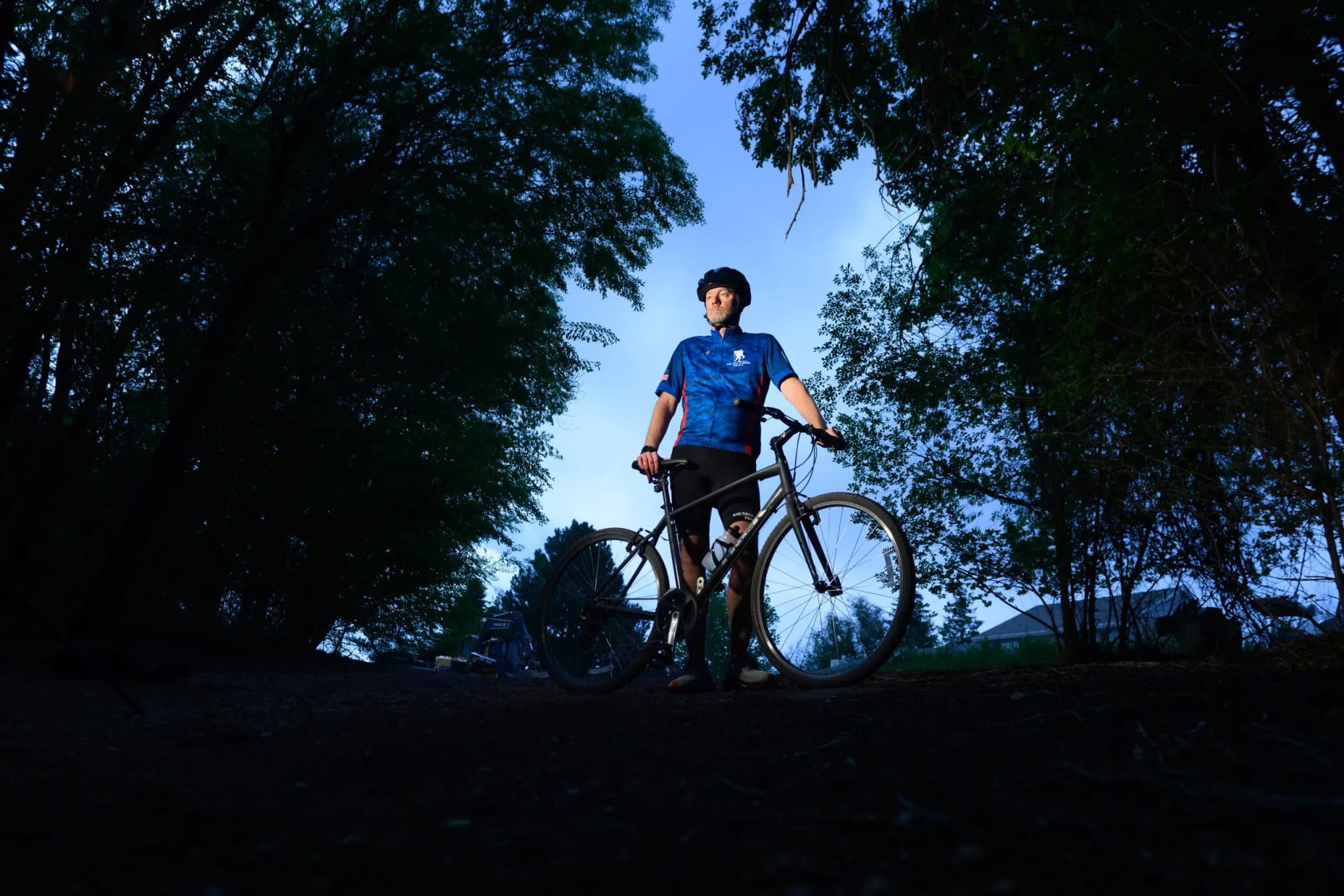
Rifle —James Bauer lost more friends to suicide and drugs than he did in combat. That’s the raw, unvarnished statistic from the Colorado Springs Army veteran who is now trading his rifle for a road bike.
It’s a stark reminder that the war didn’t end when he got off the plane in 2011. It just changed venues. For years, Bauer climbed 14ers in the Rockies, standing at the summit of some of Colorado’s most iconic peaks, yet he couldn’t climb out of the mindset that he was broken. He felt like a failure. The view below him was vast and beautiful, but it did nothing to pierce the armor of depression he’d built since Afghanistan.
Now, he’s riding 250 miles from Washington, D.C., to Ground Zero in lower Manhattan. He’s one of three Colorado veterans selected for the Wounded Warrior Project’s Soldier Ride 250, a massive logistical undertaking designed to mark America’s 250th birthday. But let’s be clear about what this actually is. It’s not a tourism trip. It’s a mental health intervention played out on pavement.
The program splits the 1,000-mile journey into four groups. The first group already kicked off in Jacksonville, Florida, on May 14. Bauer’s group, along with two others, will take the baton in D.C. and pedal the final leg to New York. The service organization runs more than 50 of these rides a year, but this one carries extra weight. It’s about showing wounded veterans that they can live a "rad life," regardless of their injury or illness.
Jonas Harmon, the associate director of the Soldier Ride program, puts it plainly: "Life is meant to be lived." He wants to prove that you can do hard things, add value to your life, and motivate others even when your body or mind is damaged. It’s a simple concept on paper, but in practice, it’s a fight against the silence that kills so many veterans.
Bauer has put in the work. He’s logged at least 800 practice miles this year around Colorado Springs. He’s not just riding for the scenery. He’s riding because he’s grateful to be here. "I’ve lost more friends now to suicide or drugs and alcohol than we did during our deployments," Bauer said. That’s the data point that matters. The physical wounds heal; the invisible ones often don’t.
Joining him is Jeff Flight, a 39-year Air Force veteran who retired in June 2025. Flight isn’t just riding for himself. He’s looking to be a cheerleader for the other wounded warriors on his team. He’s training in the gym and on the trails, building strength for both body and mind. "It’s just that sense of purpose of doing something," Flight said. "If I can pass that on to any of these guys or gals, that’s great."
This isn’t just about exercise. It’s about community. It’s about replacing the isolation of PTSD with the camaraderie of a peloton. The Wounded Warrior Project isn’t asking these veterans to prove they’re fixed. They’re asking them to prove they’re still here.
For locals watching, this is a tangible example of how we support those who served. It’s not just a check written to a national organization. It’s James Bauer and Jeff Flight putting in the miles, showing their neighbors that recovery is possible. It’s about taking the "failure" narrative and turning it into a 1,000-mile statement of survival.
The ride starts in D.C. and ends in lower Manhattan. But the real destination is a shift in perspective. It’s about proving that you can be broken and still be whole. And that’s worth the sweat.
Keep up with Rifle
The day's Western Slope news, one email each morning. Free.