Feinsinger Calls Exercise Non-negotiable in Post Independent Column
Feinsinger frames physical activity as essential in her Post Independent column, citing Dr. Greger’s guidelines and local health data to show how moderate exercise prevents disease and extends life.
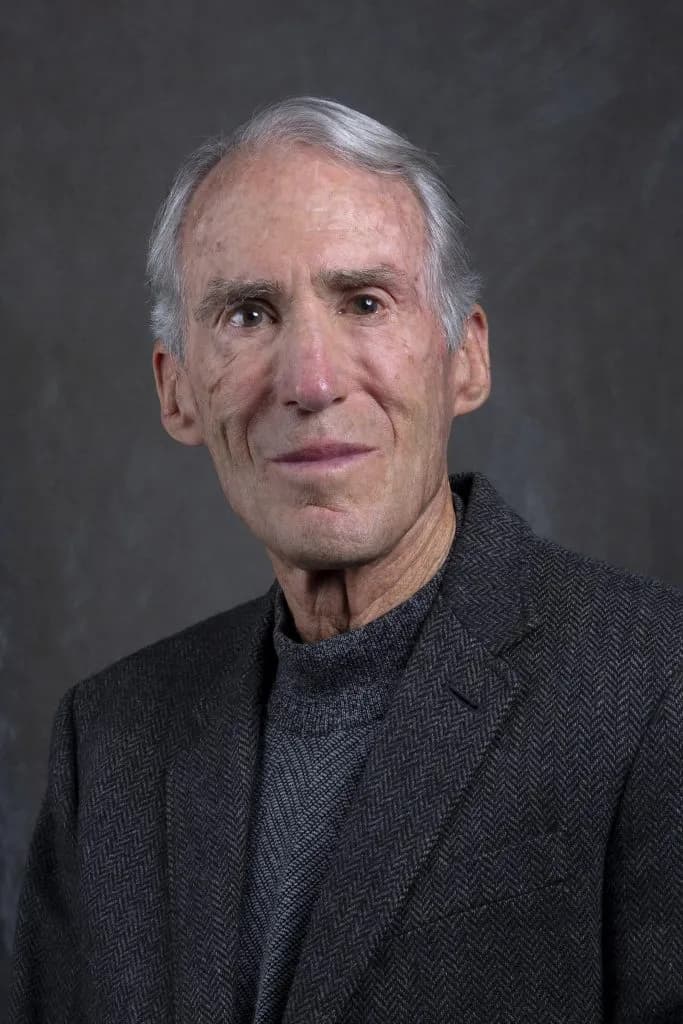
Glenwood Springs —"Exercise is the last of Dr. Greger’s Daily Dozen."
That’s how Feinsinger opens her latest column in the Post Independent, framing physical activity not as a luxury or a hobby, but as a non-negotiable component of the same dietary standards we’ve been discussing all year. The first ten items on that list are what we eat; the eleventh, detailed in the 2026 edition of How Not to Die, is what we do.
The argument for moving isn’t just about looking good in a mirror. It’s about keeping the machinery of the body from rusting out. Feinsinger notes that humans evolved to move frequently, a fact that results in healthy endothelium — the organ lining our arteries. When we sit too much, that lining suffers. Regular exercise lowers the risk of heart attacks and strokes by keeping it functioning correctly.
This isn't abstract science. It’s local reality. Feinsinger points to Dr. Dean Ornish’s program, which has been proven to reverse early prostate cancer and heart disease through a combination of diet, stress reduction, and exercise. Last year, that same program even showed it could reverse early Alzheimer’s disease.
The numbers for weight control are stark, and they hit home for anyone who has tried to out-walk a bad diet. Compared with 1970, American adults are now eating an extra Big Mac’s worth of calories every single day. To exercise that off, you need to walk an extra two hours a day, every day of the week.
That’s a lot of walking for folks who already spend hours commuting on Highway 6 or navigating the streets of Glenwood Springs.
So, what is enough? Feinsinger cites Dr. Greger’s optimal amount: 90 minutes of moderate-intensity activity or just 40 minutes of vigorous activity daily.
It’s a manageable target, provided you understand the nuance. Exercise in moderation improves immunity and reduces inflammation — the root of most chronic diseases Americans suffer from. However, Feinsinger warns that excessive exercise, such as running marathons or ultramarathons, can actually cause inflammation. It’s a reminder that more isn't always better; consistency is.
The benefits stack up quickly. Regular exercise helps prevent, treat, and reverse prediabetes and type 2 diabetes. It keeps muscles strong, preventing sarcopenia, the loss of muscle with aging. It helps you fall asleep and stay asleep, aiming for those seven to nine hours of rest. It reduces chronic pain, including back pain, largely due to the release of endorphins, the natural feel-good hormones that also boost mood and cognition.
And perhaps the most compelling statistic for our aging population: people who exercise regularly live longer.
The question is whether we can fit 40 to 90 minutes of movement into a day that already feels packed. Feinsinger suggests it’s about finding the right intensity and sticking with it, rather than overtraining or under-eating.
To hear Feinsinger tell it, the math holds up. The body is designed to move, and when we stop, the risks - cancer, heart disease, dementia, diabetes; creep in. But when we do move, even moderately, the body responds.
"Regular exercise keeps muscles strong... prevents sarcopenia," Feinsinger wrote, noting that weight-bearing exercise also keeps bones strong. "People who exercise regularly live longer."
Keep up with Glenwood Springs
The day's Western Slope news, one email each morning. Free.