Colorado Astronomer Marks Nov. 12 Meteor Peak as Best Viewing Night
Astronomy guide Mark Laurin highlights Nov. 12 as an optimal night for viewing the Northern Taurids in Colorado, citing early moonset and reduced light pollution in mountain towns.
Aspen —The Northern Taurid Meteor Shower peaks on the night of Nov. 12, marking what Colorado astronomy guide Mark Laurin calls a “can’t miss celestial event.”
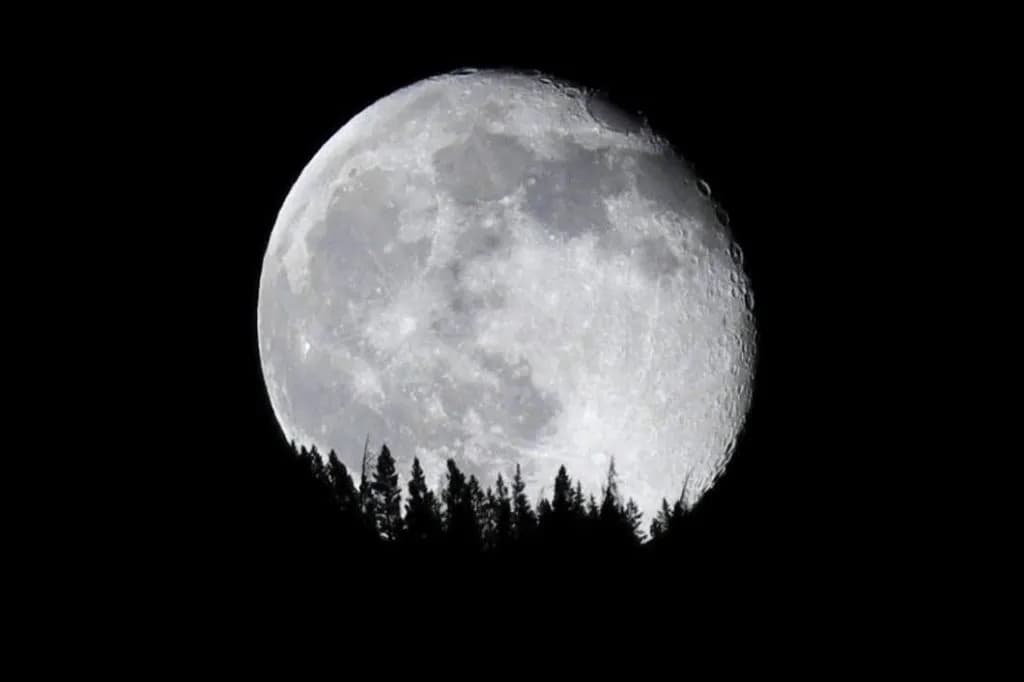
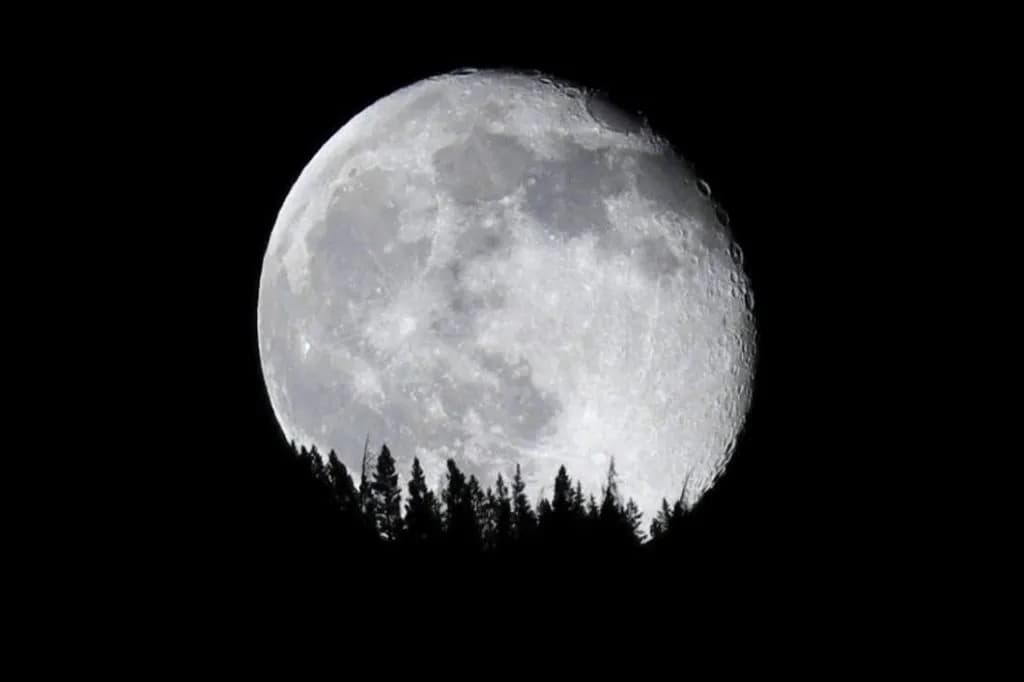
Laurin, a member of the Denver Astronomical Society and an adjunct instructor at the Keystone Science School, notes that the timing is optimal because a crescent moon sets early in the evening. This allows meteors to shine bright against the dark sky without competing with lunar glare. The radiant point, where shooting stars appear to emanate from, is easy to locate by looking for Aldebaran, the brightest star on the eastern horizon.
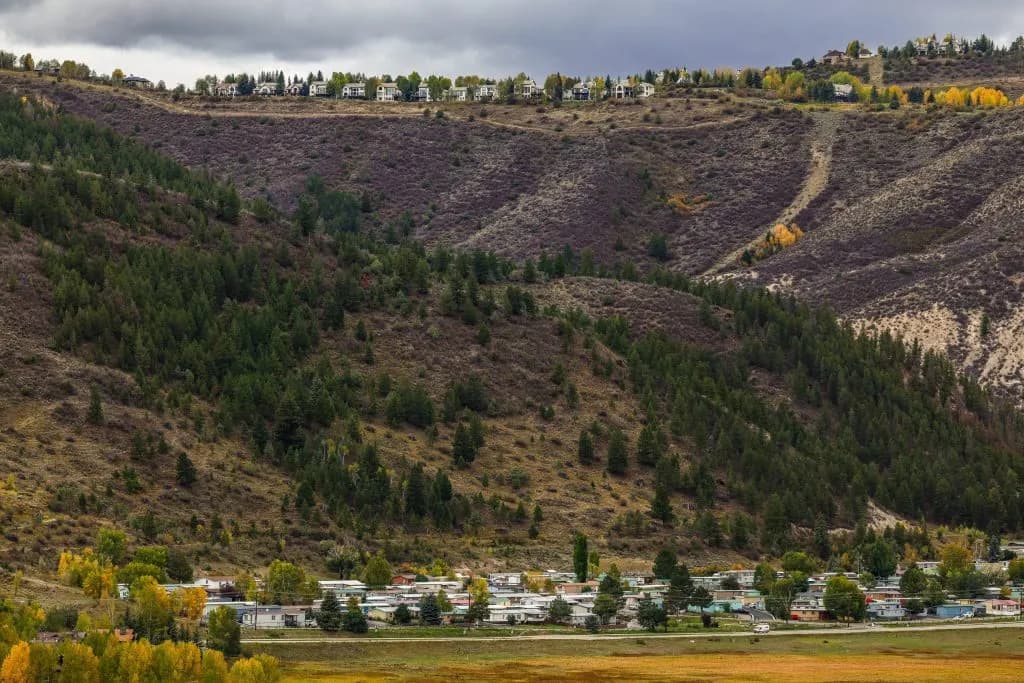
The early darkness of November creates a practical shift for stargazers in mountain communities. With the sun setting around 5 p.m., the window for observing winter constellations opens at a reasonable hour, turning stargazing into an evening hobby rather than a midnight indulgence. Laurin emphasizes that the tall peaks of Colorado’s ranges help block light pollution, a factor that benefits towns like Frisco, Breckenridge, Old Snowmass, Ridgway, Westcliffe, and Silver Cliff. These locations are officially recognized by Dark Sky International for the quality of their stargazing opportunities, along with various state and national parks.
Beyond the Northern Taurids, the month offers four meteor showers in total, alongside a supermoon. Laurin advises that the best experience comes from simple preparation: dress warmly, bring a chair, and keep phones away to let eyes adjust. Even five minutes of observation can be rewarding, often enticing observers to stay longer. He suggests stepping outside with a down jacket and a hot drink, like cocoa, to connect with the expanding universe above.
The meteor showers occur when Earth’s orbit passes through streams of debris left by comets or asteroids. As this small space debris burns up in the atmosphere, it creates the bright streaks known as shooting stars. For locals planning to venture out during the Thanksgiving holiday or on a clear fall evening, the combination of longer nights and reduced light pollution makes November a particularly accessible month for viewing these celestial displays.
Laurin’s guidance focuses on accessibility and presence rather than equipment. He encourages observers to simply look up, noting that the experience is about connecting with the environment and the cosmos. The shift to standard time ensures that dusk arrives sooner, providing more usable darkness for those who want to track the movement of stars and meteors.
The visual impact relies on contrast. The dark sky, unobstructed by the bright moon after its early set, allows even fainter meteors to be visible. The Northern Taurids are expected to offer shooting stars from sunset through sunrise, providing a long window for observation. For residents in recognized dark sky areas, the lack of artificial light means the natural brilliance of the atmosphere is fully apparent.
As winter approaches, the night sky will continue to grow longer and darker. The convergence of multiple meteor showers and a supermoon in November provides a dense calendar of events for those willing to step outside. Laurin’s recommendation remains consistent: dress for the cold, find a dark spot, and let your eyes adjust to the stars. The universe is expanding above, around, and in you, he says, and it’s worth the effort to witness.
The final image is of a quiet, dark horizon where Aldeburn glows on the eastern edge. A streak of light burns briefly in the upper atmosphere, a small piece of space debris ending its journey. The cold air bites at exposed skin, but the view holds you in place.
Keep up with Aspen
The day's Western Slope news, one email each morning. Free.