Houston Mayor Limits Police Cooperation with ICE After Midterm Wins
Houston Mayor John Whitmire signed an order restricting police cooperation with ICE to only jailable charges, a move prompted by Democrats reclaiming Texas power in the midterm elections.
Aspen —“I’ve said many times, elections matter.”
Those are the words Houston Mayor John Whitmire used on Friday to explain a directive that will reshape how law enforcement operates in the nation’s fourth-largest city. The order, signed just days after Tuesday’s midterm elections, directs Houston police to limit cooperation with U.S. Immigration and Customs Enforcement (ICE). It is a concrete, immediate response to the political tide that swept through Texas, where Democrats reclaimed power for the first time in decades.
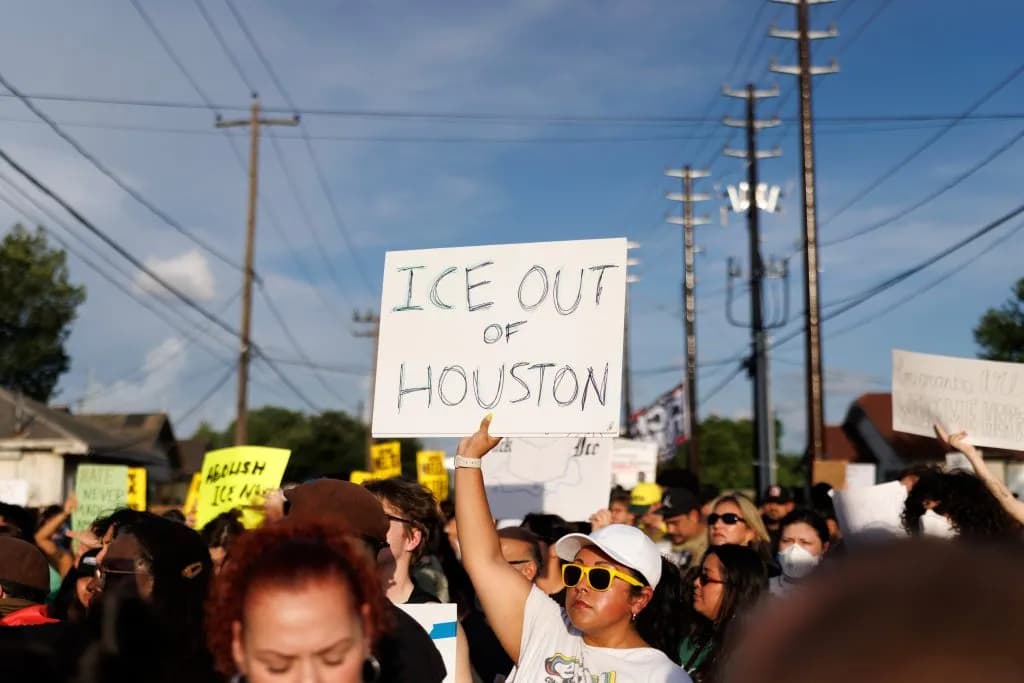
The shift is not abstract. It hits the pavement, the traffic stops, and the daily rhythm of life in a city that has become a recurring scene for protests against Trump’s immigration crackdown. For locals, the change means a specific rule: police will contact ICE only if the person they stop is arrested on a charge subject to jailing or if ICE issues an administrative warrant. In all other cases, including routine traffic incidents, officers will write a citation or issue a warning and let the driver go about their way.
Whitmire, a Democrat, framed the decision as a protection for those who are simply living their lives. The city will go after immigrants “that pose a danger,” he said, not those “going about their family business, work and education.” It is a distinction that carries weight in a place where the stakes of a police stop have recently turned violent. Last week, a grand jury in Houston indicted an ICE officer who was inside a vehicle that struck Miguel Parra Hernandez, breaking his leg. The agency has denied the officer intentionally hit him and criticized Whitmire’s new policy, stating in a release that they remain “disappointed” sanctuary politicians seek to limit cooperation while their officers are “simply fulfilling their sworn duties.”
The political context is as sharp as the policy itself. The election results included a stunning victory for Democrat Gina Hinojosa, who ousted Republican Gov. Greg Abbott to become Texas’ first Latina governor and the first member of her party to hold the office in more than 30 years. Abbott, a close ally of President Donald Trump, has threatened Texas cities over attempts to curtail immigration enforcement. In April, he warned of taking away nearly $200 million in public safety grants from Austin, Dallas, and Houston after city officials tried to limit police cooperation. Despite a one-time $75 billion infusion from Congress, ICE remains heavily dependent on local police to find people subject to deportation, a reliance built on about 2,600 agreements — many in Texas — that deputize local agencies to enforce federal immigration laws.
The Vail Daily reported on the move, noting it is one of the first actions to restrict ICE operations in response to the midterm rout. It signals that the results are already having a tangible impact on the ground, even as Republican leaders in Texas have enthusiastically embraced the administration’s mass deportation agenda.
You can feel the tension in the air here, a mix of relief and vigilance that settles over a city watching its own government draw new lines in the sand. The order is signed, the directives are clear, and the next time a siren wails on a Houston street, the question of who gets held and who gets sent home will hinge on a single, jailable charge. The sirens will still cut through the evening air, but now they carry a different weight, a silence that follows the sound of a badge being checked against a new set of rules.
Keep up with Aspen
The day's Western Slope news, one email each morning. Free.