Trump Names Stephen Miller White House Chief of Staff
Trump replaced Susie Wiles with Stephen Miller as White House Chief of Staff following GOP midterm losses. The move signals a combative approach toward the new Democratic Congress.
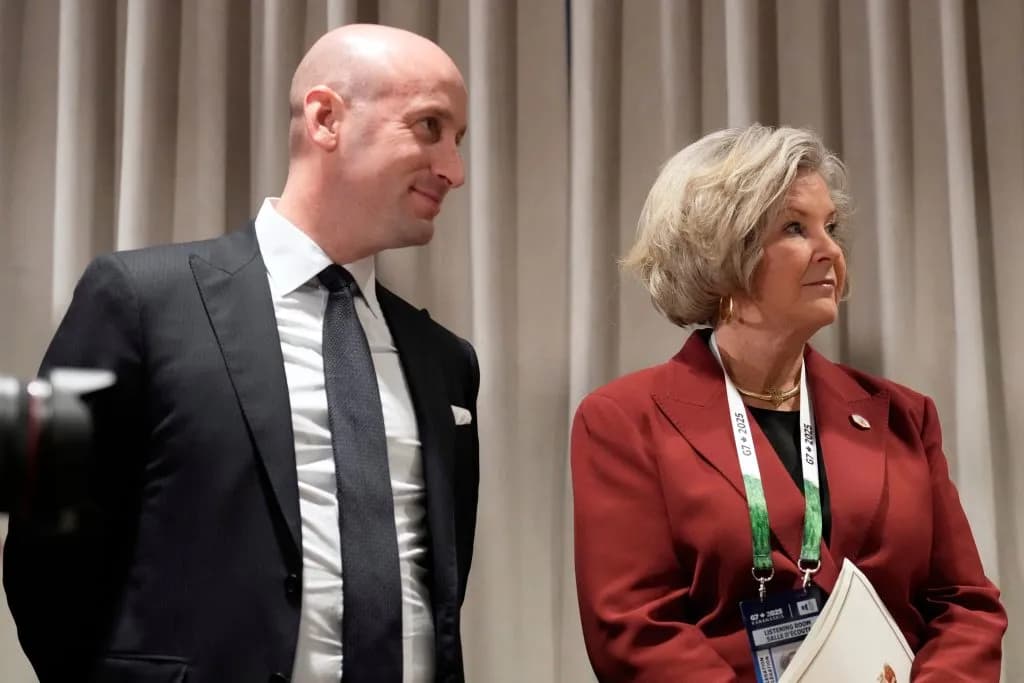
Aspen —Stephen Miller is the new White House Chief of Staff. That is the headline. But let’s look at the context, because this isn’t just a personnel change; it’s a strategic pivot.
President Trump announced the swap on Friday, replacing Susie Wiles with Miller. Why now? Because the Republican Party just took a monumental hit in Tuesday’s midterm elections. The GOP lost ground, handing Democrats a newly empowered Congress. In the past, a weakened party might try to negotiate. Trump, however, is going the other way. He is installing a "combative bulldog" to stare down the opposition.
Let’s do the math on what this actually means for governance.
- The Target: Miller, 41, is a top target for Democratic investigators. He is the architect of the administration’s hard-line immigration policies.
- The Strategy: By putting Miller in charge, Trump is signaling he is not interested in conciliation. Miller has built a "deep and sophisticated understanding" of executive power. This suggests a potential burst of executive actions in the final two years of the presidency.
- The Departure: Wiles resigned Thursday night. She was the first woman to hold the post and the longest-serving chief of staff for Trump. After battling breast cancer, she called serving Trump "the honor of a lifetime." She will continue to work for his political organization.
Miller’s rise is notable because he is not a traditional political operator. He joined Trump’s 2016 campaign as a speechwriter. He is a loyalist who has been in the inner circle for years. During the midterms, he was actively campaigning, calling Democrats "extremists, freaks and America-hating lunatics." Now, he runs the ship.
This move changes the dynamic in Washington. Instead of a steady hand managing relationships with Congress, the White House now has a policy hawk who views the federal government through the lens of "America First." For locals watching the news, this means the fight over immigration and executive orders is likely to get louder, not quieter, as the administration prepares to clash with the new Democratic majority.
Wiles’ exit was graceful, but Miller’s arrival is a declaration of war. The president is betting that a tough negotiator will yield better results than a diplomat. Whether that works against an empowered Congress is the big question. But on paper, the strategy is clear: resist, fight, and push the agenda forward using every tool of executive power available. The era of quiet management is over. The bulldog is in charge.
Keep up with Aspen
The day's Western Slope news, one email each morning. Free.