Aspen’s Thanksgiving Pinot Noir Demand Hits Record Highs
Aspen diners favor pinot noir for Thanksgiving, yet California’s 2025 harvest crushed below 200,000 tons, the lowest since 2015. The global grape faces a production correction despite its local popularity.
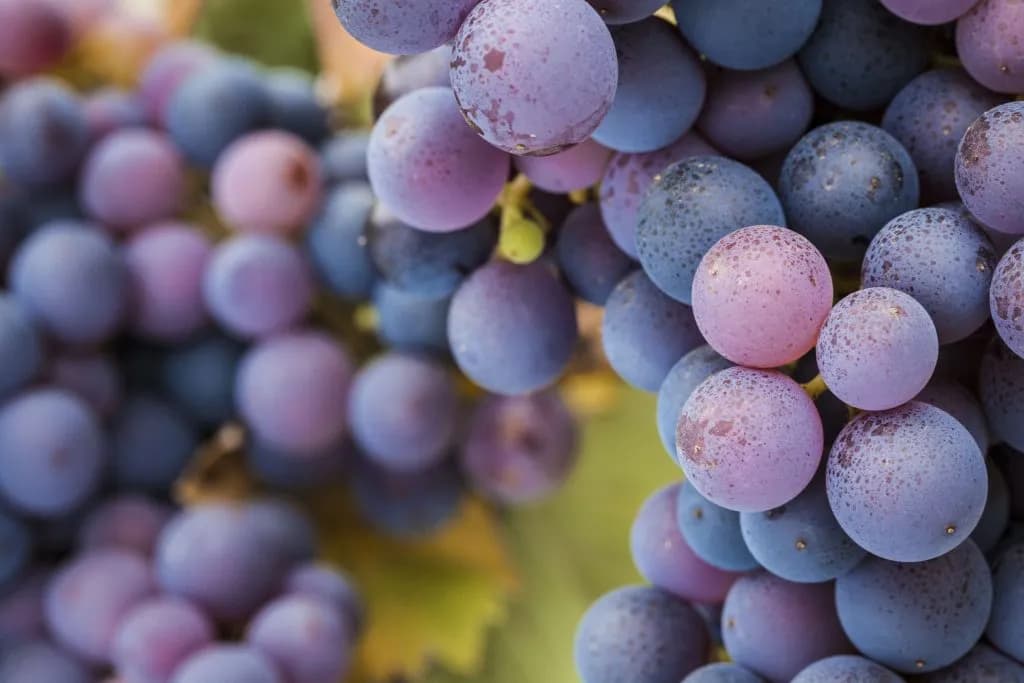
Aspen —The calendar has turned the page to November, and with it, the quiet urgency of the Thanksgiving wine-buying season settles over the valley. It’s the perfect time to explore the wonders of pinot noir, the grape that pairs so seamlessly with the season’s staples of turkey and duck.
While statistics suggest cabernet sauvignon is the most heavily planted red varietal in the world, the reality in the dining room tells a different story. In countless conversations with regulars, the most popular red variety among actual drinkers is pinot noir. Ask a neighbor in Aspen what their favorite red is, and the answer is almost invariably “Pinot.” The wine lists here, stocked with offerings by the glass and the bottle, prove that popularity isn’t just a claim; it’s a presence.
Pinot noir is a paradox: fussy to grow, yet found in some of the most unlikely places on Earth. Its origins are murky, but it was prized by Cistercian monks in Burgundy as early as 1330. Today, it thrives in over 20 countries, from the sun-drenched slopes of California and Argentina to the cooler climes of Italy and South Africa. It is, without question, a global grape.
The range is staggering. From Central Otago in New Zealand, sitting 45 degrees south of the equator, to the Ahr region in Germany, which holds the distinction of being the northernmost red wine-growing area on the planet at 50 degrees north, an estimated 300,000 acres of vineyards are dedicated to this single variety. France and the U.S. lead production, but vines also flourish in Austria, Moldova, and even Great Britain. In Germany, it’s known as spätburgunder; in Italy, as pinot nero. Names change, but the character remains.
Yet, the landscape is shifting. There has been a noticeable decline in pinot noir production in recent years, mirroring the broader dip in wine sales. According to the California Agricultural Statistics Service, the tonnage of pinot noir crushed in the state during the 2025 harvest fell to its lowest level since 2015, dropping below 200,000 tons. That’s a sharp contrast to the peak of 313,000 tons recorded in 2018. This isn’t just a local blip; it reflects a market that became oversaturated with grapes of all varieties, forcing a correction.
So, what keeps us coming back? It’s the elegance. Pinot noir offers a spectrum of styles, each a reflection of its origin. It’s not just a drink; it’s a story told in every sip. As the leaves turn and the tables are set, this grape stands ready to give thanks for its own resilience.
Keep up with Aspen
The day's Western Slope news, one email each morning. Free.