Schumer's 56-Seat Senate Targets Supreme Court and Housing
Senate Majority Leader Chuck Schumer vows to block right-wing Supreme Court nominees and push housing relief, creating a standoff with Trump's veto power that directly impacts local utility bills.
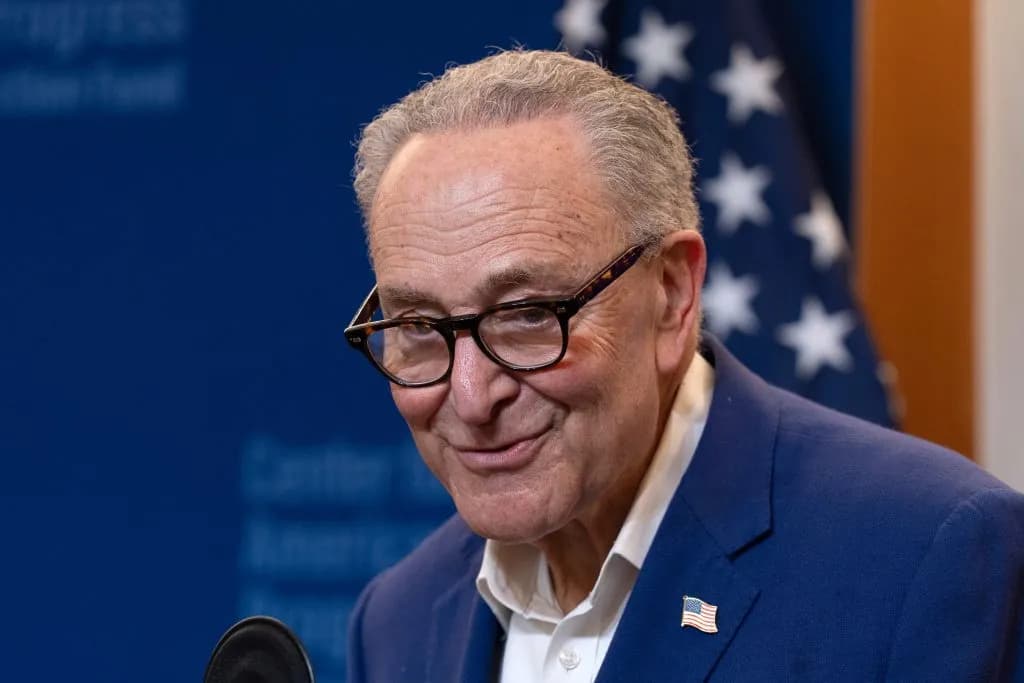
Aspen —Will the new Senate majority block a Supreme Court nominee, and what does that mean for local policy?
Senate Democratic Leader Chuck Schumer has a simple answer: no.
In an interview with The Associated Press on Thursday, Schumer stated that Democrats are “not going to allow any crappy nominees” to be confirmed to the Supreme Court. He didn’t mince words about his preference for a specific type of justice, either. “The bottom line is we’re not going to allow a right-winger on the court,” he said.
For context, this pledge landed two days after Democrats secured a decisive Senate majority in the midterm elections. A year ago, Schumer was facing intense internal criticism from progressives while Republicans bet on a favorable map and Trump’s backing to keep power. That calculation failed. Democrats could hold as many as 56 seats if they win the remaining contests in Mississippi and Alaska. Schumer predicts this is a “durable majority” that has been twenty years in the making, given his long tenure directing his party’s Senate campaign operations.
The Vail Daily reported that Schumer is betting this isn’t just a one-time flip of the chamber. With that kind of seat count, the party has the leverage to reject any of Trump’s nominees, forcing him to seek more moderate choices. It also gives them the power to halt the Iran war and alter policies they couldn’t counter while in the minority.
The local cost of a federal standoff
Schumer says the party’s agenda will center around lowering prices. He listed five specific issues: healthcare, housing, Trump’s tariffs, childcare, and energy bills. He also mentioned efforts to ban federal elected officials from stock trades and limit consumer costs associated with data center expansion.
Let’s do the math on what “lowering prices” actually requires. It means passing legislation that Trump has already signaled he will fight. On election night, the President posted a picture of a red hat with the word “veto” in large letters. Schumer acknowledged this obstacle but refused to get into specifics on how he plans to get around it.
This isn’t just about the Supreme Court. It’s about whether a 56-seat Senate can force through housing and energy relief before the next election cycle. Schumer also wants to investigate Immigration and Customs Enforcement raids across the country and scrutinize what he called “the most corrupted administration by far in American history.”
But Schumer faces friction inside his own caucus. Progressives have criticized him, and incoming freshmen from red states didn’t commit to supporting him for leader during their campaigns. To pass any legislation, he needs that entire caucus aligned against a President who is actively weaponizing his veto power.
The practical impact for locals isn’t abstract. If the new majority fails to pass housing and energy bills because of vetoes or internal party splits, the cost stays on your property taxes and utility bill. If they succeed, it changes the baseline for infrastructure spending in the valley.
Schumer won’t say if he’ll hold a Supreme Court vacancy open until after the next presidential election, mirroring what Mitch McConnell did in 2016. But he made clear that “right-winger” is a disqualifier for confirmation in the next two years.
For now, the fight is over process as much as policy. The new majority has the numbers to block, but blocking isn’t building. Until Schumer can bridge his own caucus and outmaneuver the veto pen in the Oval Office, the promise of lower prices remains a campaign slogan rather than a line item.
Keep up with Aspen
The day's Western Slope news, one email each morning. Free.
Steamboat's Lyon's Corner Drug Reopens After Two-Year Crash Repair

Vail Health Hosts Grief Documentary Screening at Mountain School