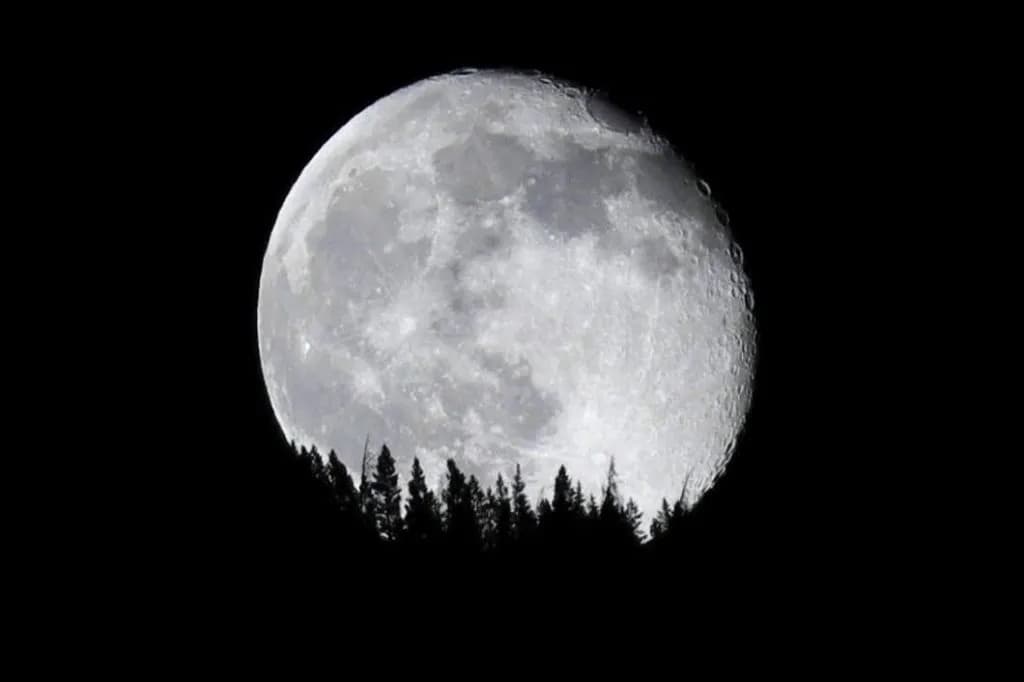
Colorado Sky Fills With Four Meteor Showers This November
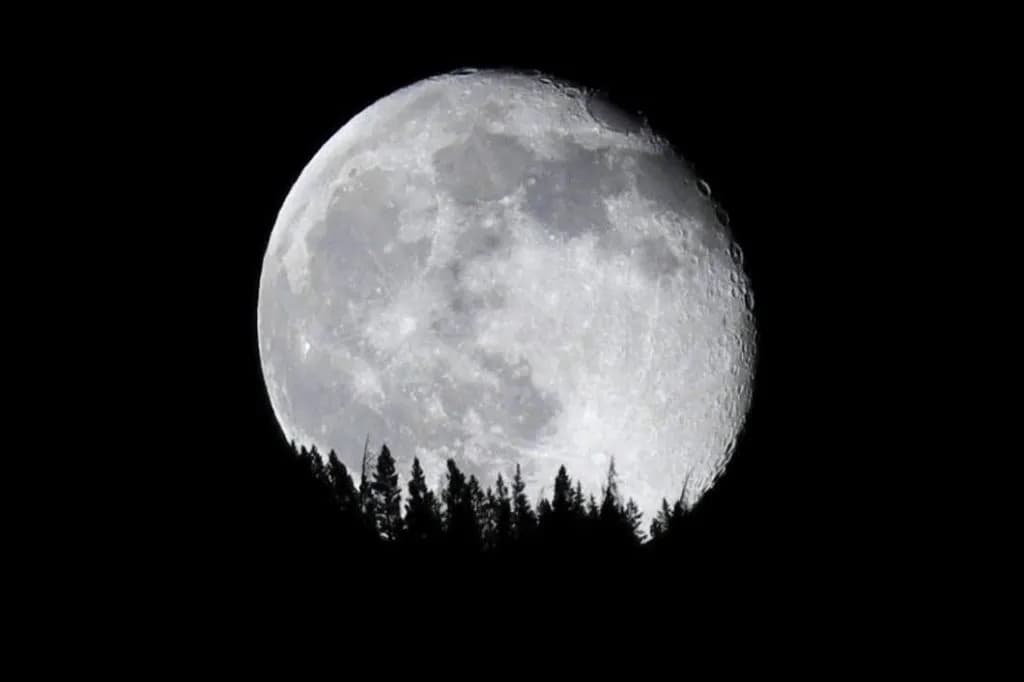
Colorado skies will host four meteor showers and a supermoon this November. Astronomy guide Mark Laurin advises residents to use early sunsets for easier winter stargazing.
Glenwood Springs —Mark Laurin is done waiting for midnight.
The Colorado astronomy guide, an adjunct instructor at the Keystone Science School and a mentor for Dark Sky Colorado, said he’s ready to look up. He doesn’t want to wait until the small hours for a good view of the winter constellations. He wants them now, while the neighbors are still awake and the coffee is hot.
"Now the sun sets around 5 p.m. local time, giving darkness sooner; ergo, more time for stargazing," Laurin wrote in his blog. "The spectacular winter constellations begin to rise in the east at a more reasonable hour. Yippee!"
The Post Independent reported this week that November is shaping up to be a month you can’t afford to sleep through. It’s not just about the early sunset. The sky is packed. You have four meteor showers, a supermoon, and what Laurin calls a "can’t miss celestial event."
Read that again. Four meteor showers in one month. Most people think they need to drive out to the mountains for a decent view, but you don’t always have to. The tall peaks in our region do the work for you by blocking light pollution from distant cities. Dark Sky International officially recognizes more than 20 places in Colorado for their stargazing quality. That list includes towns like Frisco, Breckenridge, Old Snowmass, Ridgway, Westcliffe, and Silver Cliff. If you live in one of those spots, or near a state park, the dark is already there. You just have to step outside.
The headline event is the Northern Taurid Meteor Shower. It peaks on the night of Nov. 12.
Laurin called it a "can’t miss celestial event." The timing is perfect for those of us who hate the moon. The peak coincides with a crescent moon that sets early in the evening. That means the sky stays dark for most of the night, letting the meteors shine bright against the black.
A meteor is just a small piece of space debris burning up in our atmosphere. When Earth’s orbit passes through the stream left by a comet or asteroid, we get a shower of them. Laurin said the radiant point — the spot where the shooting stars appear to emanate from — will be easy to find. Look for Aldebaran, the brightest star on the eastern horizon.
You don’t need a telescope. You don’t need a PhD in astrophysics. Laurin’s advice is blunt and practical. Dress warmly. Bring a chair. Bring a hot drink, like cocoa. Find a dark place away from light pollution. Put your phone in your pocket and let your eyes adjust for five minutes.
"Put your down jacket on and pull the hood up over your head," Laurin said. "Step outside and look up."
He wants you to connect with the universe above, around, and inside you. He says five minutes is often enough to entice a person to stay longer.
The Post Independent noted that this can be an evening hobby for anyone, not just a midnight indulgence for night owls. With the end of daylight saving time, dusk comes sooner. The nights will only grow longer as winter approaches.
Laurin is a member of the Denver Astronomical Society. He’s seen this sky before, but he’s not tired of it. He’s inviting you to share it with friends and family over the Thanksgiving holiday, or just alone on a clear fall evening.
The sky doesn’t care about your schedule. It’s full of wonder this November, whether you’re in a Dark Sky community or just on your back porch. The debris is coming. The moon is setting early.
The only thing you need to do is look up.
Keep up with Glenwood Springs
The day's Western Slope news, one email each morning. Free.