Jim Feinsinger Accuses Big Food of Rigging Egg Cholesterol Studies
Jim Feinsinger argues the American Egg Board manipulates study timing to hide post-meal cholesterol spikes, linking eggs to heart disease and cancer risks.
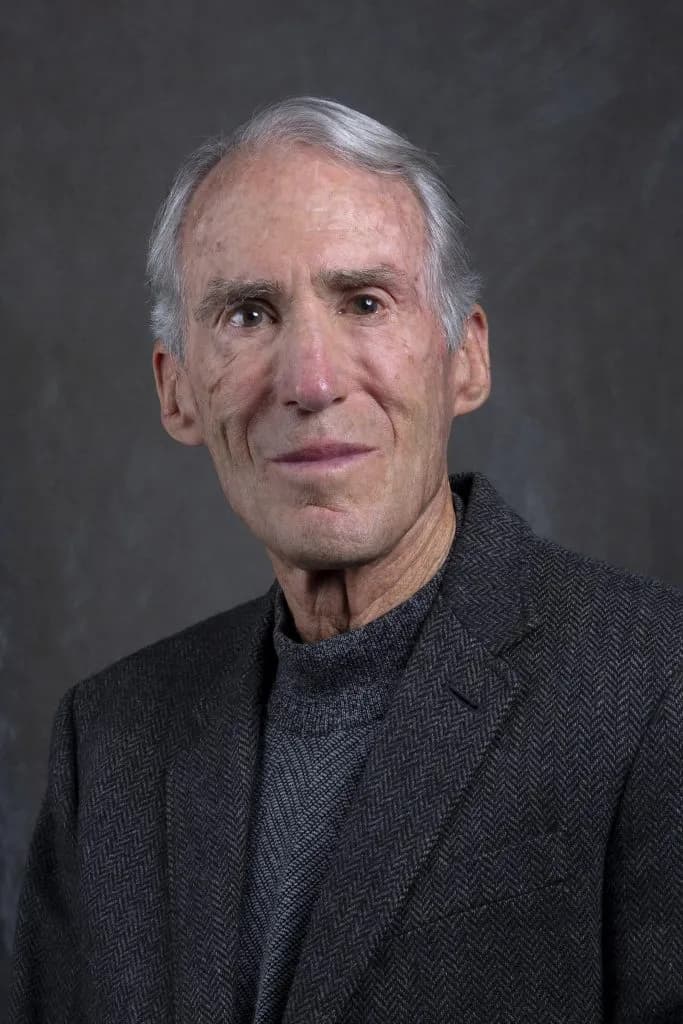
Glenwood Springs —A whole egg contains 272 milligrams of cholesterol. That is close to the recommended daily allowance of 300 milligrams, a fact that anchors the debate over whether the breakfast staple is fueling heart disease or if it’s been unfairly demonized by industry-funded science.
The confusion stems from a specific research tactic, according to Jim Feinsinger’s column in the Post Independent. He argues that Big Food employs a strategy similar to Big Tobacco: sowing doubt when established science turns against their products. The mechanism is precise and, to Feinsinger’s eye, rigged. After eating an egg, triglyceride and cholesterol levels spike for a few hours, a window when harmful plaque is thought to form in arteries. But the American Egg Board hires scientists willing to design studies with predetermined outcomes. They give participants an egg, have them fast overnight, and then check cholesterol levels long after that post-meal rise has subsided. At that point, levels look normal. The study concludes eggs don’t raise cholesterol. The dangerous spike is left out of the narrative entirely.
Feinsinger points to a statistic that underscores how much of this research is self-serving: over 90% of “scientific” papers on food are now done by industry-sponsored scientists. It is a landscape where food and science writers often lack the expertise to spot the methodological gaps, making it hard even for physicians to determine if a study is valid.
The health stakes are high, and the list of risks attributed to egg consumption has grown. Dr. Neal Barnard, founding president of Physicians Committee for Responsible Medicine (PCRM), reviewed health problems linked to eggs. He cites elevated risks of strokes, heart attacks (particularly in diabetics), Type 2 diabetes, and prostate cancer. He highlights the aggressive kind of prostate cancer that spreads. Dr. Michael Greger adds to that list, citing evidence for increased risks of asthma in children and inflammation due to arachidonic acid. Greger also points to cancer risks for the breast, mouth, colon, bladder, lung, and ovary.
Dr. John McDougall, a giant in plant-based nutrition, offers the blunt assessment that drives Feinsinger’s skepticism. “An egg is the richest of all foods, and far too much of a ‘good thing’ for people,” McDougall said.
Beyond human health, Feinsinger touches on the environmental footprint of animal products compared to plant foods. He also references the documentary Food, Inc., noting that viewers will be shocked by the animal rights abuses in factory-farm egg production.
For those looking to step away from chicken eggs, the column offers practical swaps. Crumbled tofu works well in a scramble as a substitute for egg whites. In baking, ground flaxseed and unsweetened applesauce can replace eggs. Commercial egg substitutes also exist that have been shown to be healthier options.
The debate isn’t new, but the methodology behind the pro-egg studies is what Feinsinger finds frustrating. One month the media says avoid them; the next, they’re fine. That flip-flop is usually a signal that industry money is at play, trying to keep the egg on your plate while the science shifts around it.
Keep up with Glenwood Springs
The day's Western Slope news, one email each morning. Free.