Colorado Volunteers Track Vanishing Pikas in Alpine Boulder Fields
Volunteers from Rocky Mountain Wild and Denver Zoo surveyed 145 sites across Colorado to monitor pika populations threatened by climate change.
The rain in Glacier Gorge didn’t just fall; it hammered. It came down in fat, cold drops that soaked through a rain jacket, turning the trail into a slick, boggy mess. For one volunteer, the journey to a single survey site took hours of dragging through mid-July snow patches and navigating rock slabs with no cairns in sight. It was a grueling trek for what looked like a quiet, shadowed basin.
But the effort is necessary because the animals living there are disappearing.
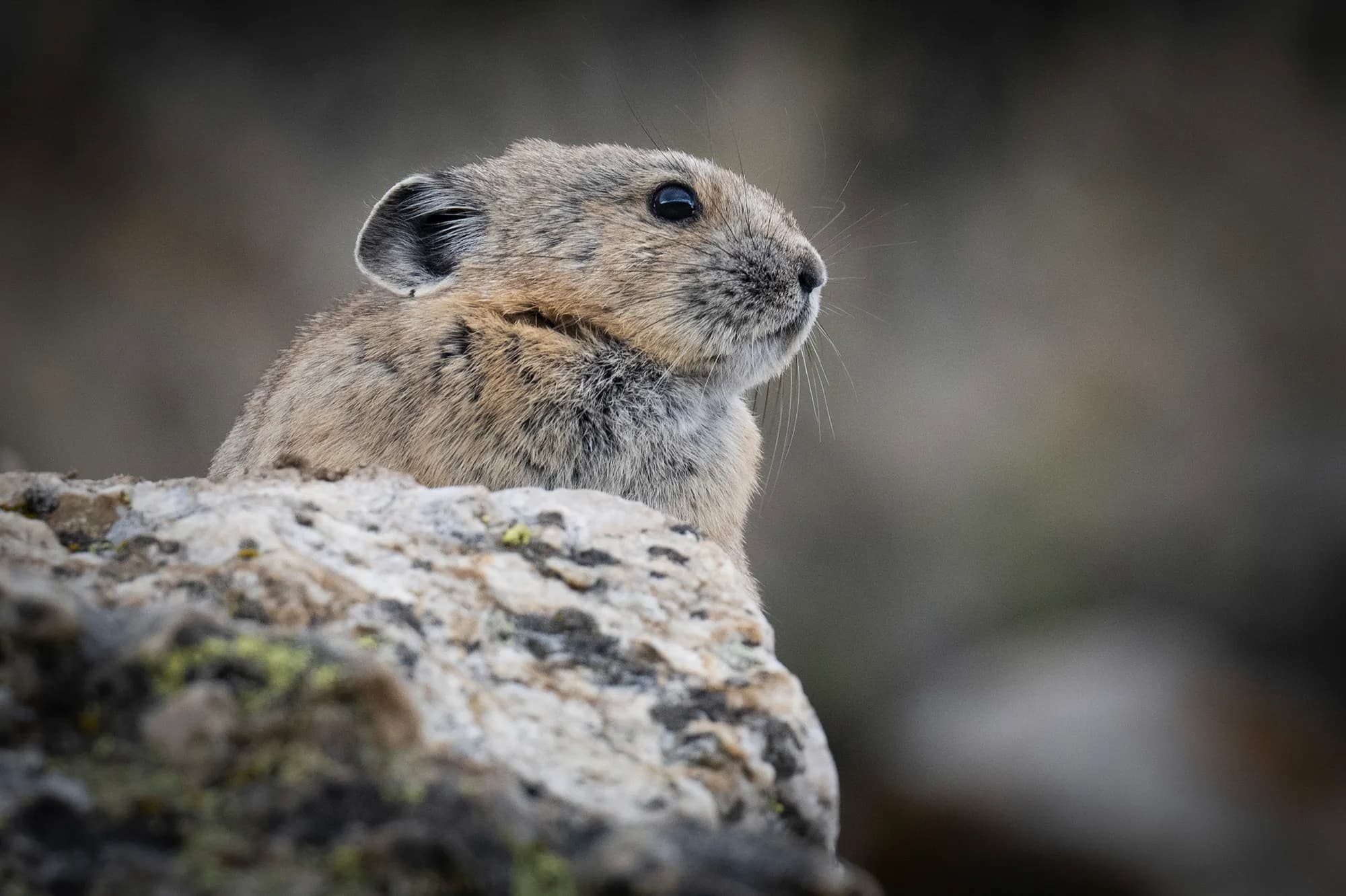
Pikas look like furry russet potatoes. They have large, round ears and a piercing chirp that cuts through the silence of high alpine zones. These relatives of rabbits live in some of Colorado’s most inhospitable climates, huddled in boulder fields at elevations up to 14,000 feet. They spend hundreds of hours during the short summer gathering grass and wildflowers to build hay piles that insulate them against harsh winters. That survival strategy is breaking down as climate change shrinks their habitat and alters the snowpack they depend on.
The Colorado Sun reported that a growing cohort of volunteers is stepping in to track these tiny, resilient creatures. Since 2010, a partnership between the nonprofit Rocky Mountain Wild and the Denver Zoo has enlisted "pika patrollers" to survey habitats across the Front Range. The project expanded in 2018 to include White River National Forest and Rocky Mountain National Park.
The work is meticulous. Volunteers don’t just look for the animals; they measure boulders, search for fresh scat and hay piles, and record temperature data. This detailed information helps land managers and researchers understand exactly how climate change is impacting the pikas and guides decisions on what can be done to protect them.
Last summer, 252 volunteers and staff members roamed Colorado’s mountains. They collected data at 145 sites. The hikes range from easy walks to grueling 16-mile expeditions, but the goal is consistent: reliable data.
Stand there long enough and you start to see why these small mammals matter so much. They are the canaries in the coal mine for high-elevation ecosystems. If the boulder fields dry out or the snowpack fails, the pikas have nowhere to go. The terrain is too steep for most predators, but also too fragile for the animals themselves when the environment shifts.
The volunteers aren’t just hikers; they are community scientists. They undergo a day of detailed training to learn the complex data collection methods before heading into the field. Their work transforms a casual nature walk into a vital scientific effort. It’s not exactly glamorous, especially when you’re shivering in a tent while pea-sized hail pelts the roof.
But reaching those quiet basins is merely the first step. The data they gather will shape how we manage these landscapes in the decades to come. As the sun rises over the snow-capped peaks, illuminating the craggy cliffs, the search continues. One brown-and-gray critter with large round ears dashing from boulder to boulder is all it takes to make the hours of walking worth it.
Keep up with the Western Slope
The day's Western Slope news, one email each morning. Free.