Colorado Voters Face Judge Retention Votes in General Election
Colorado voters will decide whether to retain appointed judges during the general election. Experts urge citizens to review official performance evaluations in the state voter guide rather than relying on intuition.
A $14 million project. Twelve units. No, wait — scratch that. This isn’t about concrete and cranes. It’s about the people who sit in judgment when your life falls apart.
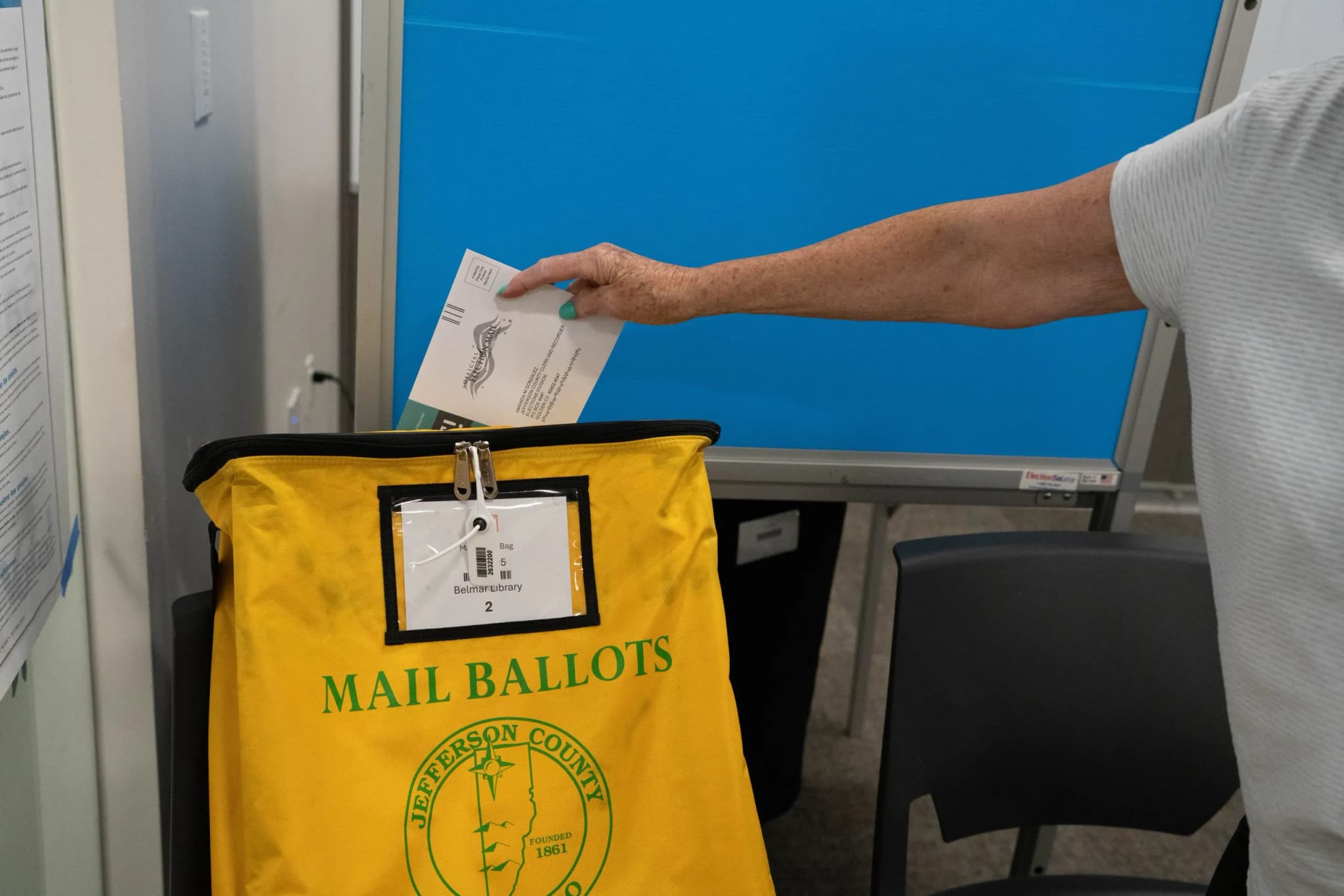
On June 29, 2026, a woman stood at the Belmar Library in Lakewood, carefully marking her mail-in primary election ballot. She wasn’t alone; the library was a hub of civic duty. But as she flipped through the pages, she likely hit the wall: the judges.
This is the part of Colorado’s general election ballot that makes most folks want to tear the paper in half. You’ve voted on school bonds, water districts, and maybe a new highway toll. Now you’re being asked to decide the fate of judges in your local judicial district, plus the Colorado Supreme Court and Court of Appeals.
Here’s the kicker: unlike most states, we don’t elect our judges. The Governor appoints them based on recommendations from nominating commissions. Then, after a two-year provisional term, they face a retention vote every four to 10 years.
So, why bother? Why not just let them keep their jobs?
Thor Nelson, an attorney at Holland & Hart and chair of the Colorado Judicial Institute, says most judges who don’t meet performance standards simply step down rather than put themselves up for a vote. But that doesn’t mean the process is a rubber stamp.
The judicial performance commissions — including lawyers and nonlawyers, don’t just rely on surveys. They observe judges in their courtrooms. They look at temperaments, communication styles, and how rulings are reached.
Danielle Kalil, director of civil justice and the judiciary at the University of Denver’s Institute for the Advancement of the American Legal System, emphasizes the ideological neutrality of this process. It’s designed to protect judges from feeling pressured to make popular decisions.
“The commissions’ findings can be found in the blue book, the state’s official voter guide, mailed to voters,” the Colorado Sun noted. “They are also posted online by the Colorado Office of Judicial Performance Evaluation.”
Kalil urges voters not to skip this chance.
“Don’t depend on a hunch,” she said.
For context, let’s do the math. If you’re in the 1st Judicial District, you’re looking at judges who handle everything from traffic tickets to multi-million dollar commercial disputes. Their interpretations of state law ripple out to affect property rights, business regulations, and civil liberties.
In practice, this means your vote on a judge isn’t just about one courtroom. It’s about the legal framework that governs your daily life. Whether you’re buying a house, starting a business, or dealing with a personal injury, the judges who interpret the law shape the outcome.
Nelson pointed out that even people who don’t end up before a judge are influenced by how state courts interpret laws. Rulings impact things like housing regulations, environmental standards, and consumer protections.
The blue book isn’t just a list of names. It’s a detailed evaluation of each judge’s performance. It includes feedback from former jurors, attorneys, and litigants. It’s a tool to help you make an informed decision.
So, next time you’re filling out your ballot, don’t rush past the judges. Take a minute to read the evaluations. Check the blue book. Look at the online resources.
Because when it comes to the judiciary, your vote matters. It’s your check on the bench. It’s your say in who interprets the law that affects your life.
Don’t leave it to chance. Read the room. And for the love of democracy, don’t depend on a hunch.
Keep up with the Western Slope
The day's Western Slope news, one email each morning. Free.