Colorado Voters Reject Six Amendments in Record Midterm
Colorado voters rejected six constitutional amendments including immigration and natural gas proposals in a record-breaking midterm election, while approving seven statutory measures on taxes and youth rights.
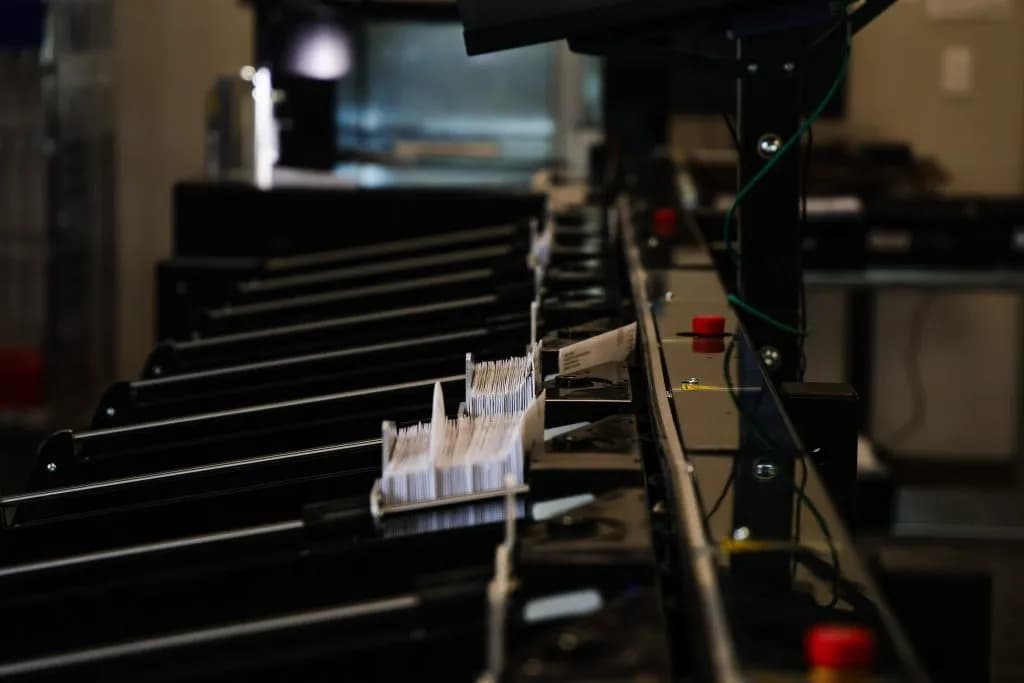
Aspen —The hum of the voting machines in the Eagle County Commons was a low, steady drone, a sound that felt almost mechanical against the quiet tension of the room. Three-person teams moved down the line, verifying ballots with a focus that bordered on ritualistic. It was a scene of democratic diligence, but the weight of what was being counted was heavier than usual. For the first time in 52 years, Colorado voters faced a record-breaking slate of 14 statewide measures, a number that matched the crowded ballots of 2024, 2008, and 2006. Yet, this cycle felt distinct. The sheer volume of citizen-initiated petitions, rather than legislative referrals, signaled a shift in how policy was being shaped. Only one measure, Proposition NN, came directly from the legislature; the rest were the product of signature drives, a clear marker of organized advocacy energy.
As the unofficial counts from the Colorado Secretary of State’s office began to solidify over the following days, a clear pattern emerged. By Friday morning, half of the measures had already failed, a rapid rejection of proposals ranging from wildlife management to immigration cooperation. The other seven, however, pushed through, altering the landscape of Colorado’s tax code, youth rights, and financial refunds. The defeat of six constitutional amendments — Amendments 81 through 86 — was particularly telling, as each required a 55% supermajority to pass. Amendment 81, for instance, sought to mandate that law enforcement notify federal immigration authorities in specific violent crime cases, a move intended to overturn recent Democratic legislation limiting such coordination. Led by the conservative nonprofit Advance Colorado, the measure fell short, with "No" votes outpacing "Yes" by a margin of approximately 267,200. Similarly, Amendment 82, which aimed to enshrine a right to natural gas in the constitution to limit local bans, failed by around 186,500 votes. These rejections highlighted the difficulty of amending the state constitution, even when backed by significant advocacy efforts.
On the other side of the ledger, the passing measures represented tangible changes to daily life. The approval of initiatives related to income tax and refunds meant immediate financial impacts for many households. One of the notable successes involved trans-youth rights, a topic that had sparked considerable debate throughout the campaign. The fact that these measures cleared the bar, despite the intense scrutiny, suggests a voter base willing to support progressive shifts when presented with clear language and strong grassroots backing. The contrast between the failed constitutional amendments and the successful statutory changes underscores a nuanced electorate, one that may be cautious about rewriting the fundamental rules of governance but more open to adjusting the operational details of state law.
In the end, the midterm election was not just about choosing representatives, but about deciding the very structure of the state. The record number of measures forced a deep engagement with complex issues, from energy policy to civil liberties. The results, a mix of bold passes and decisive rejections, reflect a community navigating its identity in a rapidly changing political climate. As the final tallies were locked in, the sense of relief among the counting teams was palpable, a shared exhale after weeks of intense scrutiny. The ballots, now verified and stored, carried the weight of thousands of individual choices, a collective decision that would shape the next four years of policy on the Western Slope. The quiet of the room returned, but the implications of what had been decided lingered in the air, a reminder that democracy is not just a moment of voting, but a continuous process of negotiation and compromise.
Keep up with Aspen
The day's Western Slope news, one email each morning. Free.