Colorado's $39M Literacy Push Fails as 60% of Third Graders Lag
New state data reveals only 40.8% of Colorado third graders read at grade level despite a $39 million literacy investment, prompting questions about test validity.
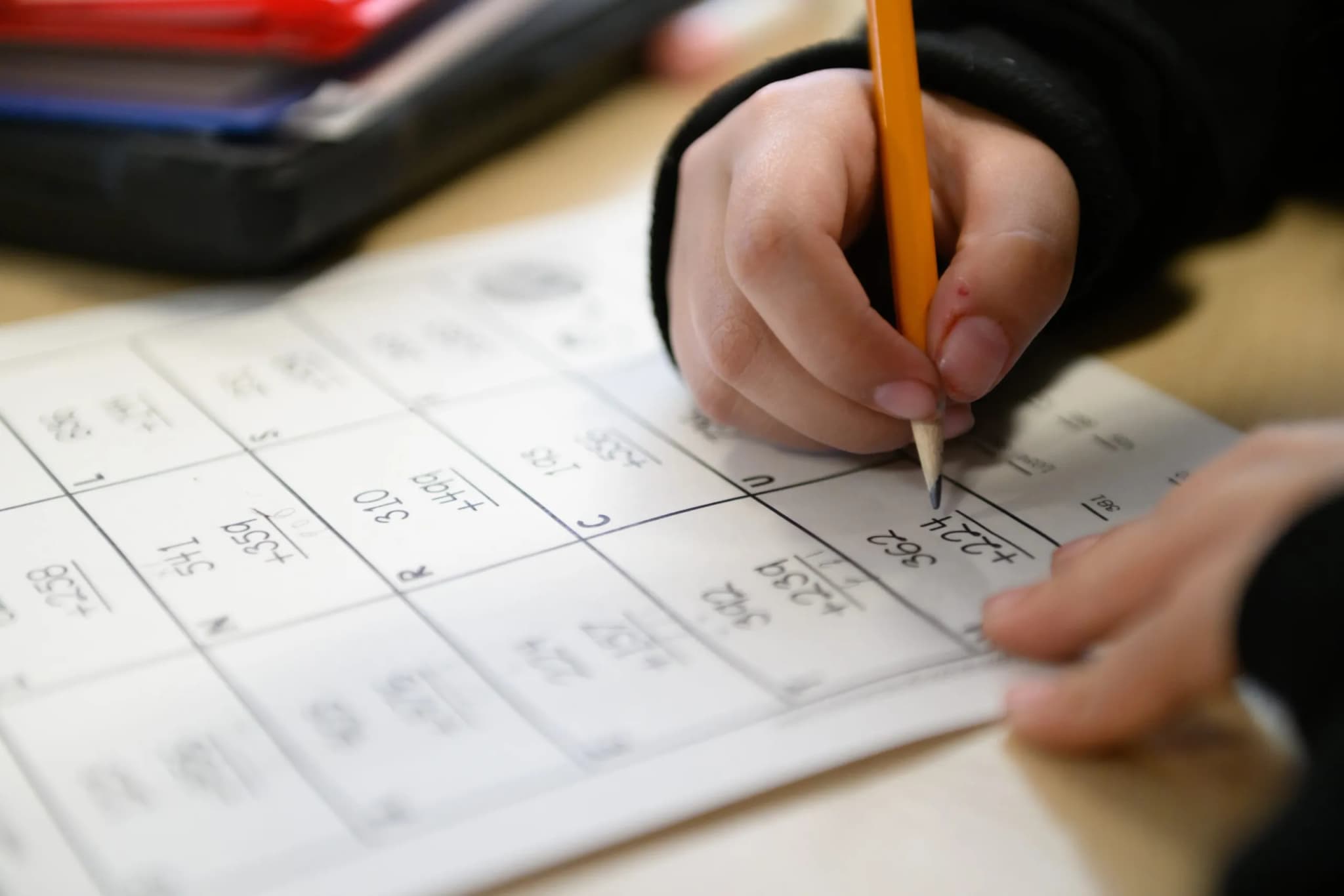
Forty percent. That is the number that matters.
Only 40.8% of Colorado third graders who just moved into fourth grade can read and write at grade level. The rest are falling behind, according to standardized test results released last week by the Colorado Department of Education.
Colorado Sun reported on the data Tuesday. The results are stark. They suggest a crisis in our public schools. But before you throw your hands up, look closer at what the numbers actually measure and who is taking the test.
The state spent nearly $39 million this year to strengthen literacy. That money went toward training teachers and administrators in the "science of reading." A 2012 state law made this a priority. The investment was real. The intent was clear. Yet, the output from that input is a failing grade for nearly 60% of the state’s young readers.
Colorado Education Commissioner Susana Córdova calls the Colorado Measures of Academic Success (CMAS) "a measuring stick." It is a federal requirement. It gauges whether students meet state standards in reading, writing, math, science, and social studies. It is how we compare districts against one another.
But the stick has splinters.
The CMAS costs $18.3 million in state funding and about $2.2 million in federal funding each year. For that price, you get a snapshot. Not a verdict.
Here is the problem: participation is spotty. Parents can opt their children out of the tests. In some districts, more than half of students don’t sit for them at all. Statewide, participation varies wildly by subject and grade. Only 50.2% of 11th graders took the CMAS science exam this past spring. Compare that to 93.9% of third graders taking the math test.
If half your class doesn’t take the exam, what exactly are you measuring? You aren’t measuring the whole school. You’re measuring a self-selected subset of students who chose to show up.
The stakes for districts are high, though. Schools receive one of six accreditation ratings from the state based largely on these scores. High performers earn "distinction." Low performers get a "turnaround" rating. If a district shows little improvement for five years in a row, it lands on the state’s accountability clock. That gives the State Board of Education more say in how to fix things. Last year, three districts were labeled as turnaround. Four others ranked one rung higher, meaning many of their students are still falling short.
Critics argue the test doesn’t capture a child’s ability to finish a book or a school’s overall success. They point to the opt-out rate as a major flaw in the data integrity. If fewer than 16 students at a specific school take a test, the state masks that data to prevent identification. So you can’t even see how small schools are doing.
The short version: We spent $39 million to fix reading. The test says we failed. But the test is a partial picture, skewed by who chooses to take it and who doesn’t.
The data makes Colorado schools look bad. That is a fact. But "bad" is a broad brush. It hides the specific failures in literacy instruction while also hiding the specific successes that happen off the test sheet. It highlights a system where accountability is tied to a metric that half the students ignore.
We need better tests, or we need to stop pretending these numbers tell the whole story. Right now, they tell us that nearly 6 out of every 10 kids entering fourth grade cannot read at grade level. That is the hardest fact in the release. It doesn’t care about opt-outs or accreditation ratings.
It just means a kid can’t read.
Keep up with the Western Slope
The day's Western Slope news, one email each morning. Free.