Colorado’s Record Heat and Zero Rain Turn Mountains Into Fire Tinderbox
Record-breaking heat and negligible rainfall in Dillon create a wildfire tinderbox across Colorado’s mountains, driven by a historic meltout and rising temperatures linked to climate change.
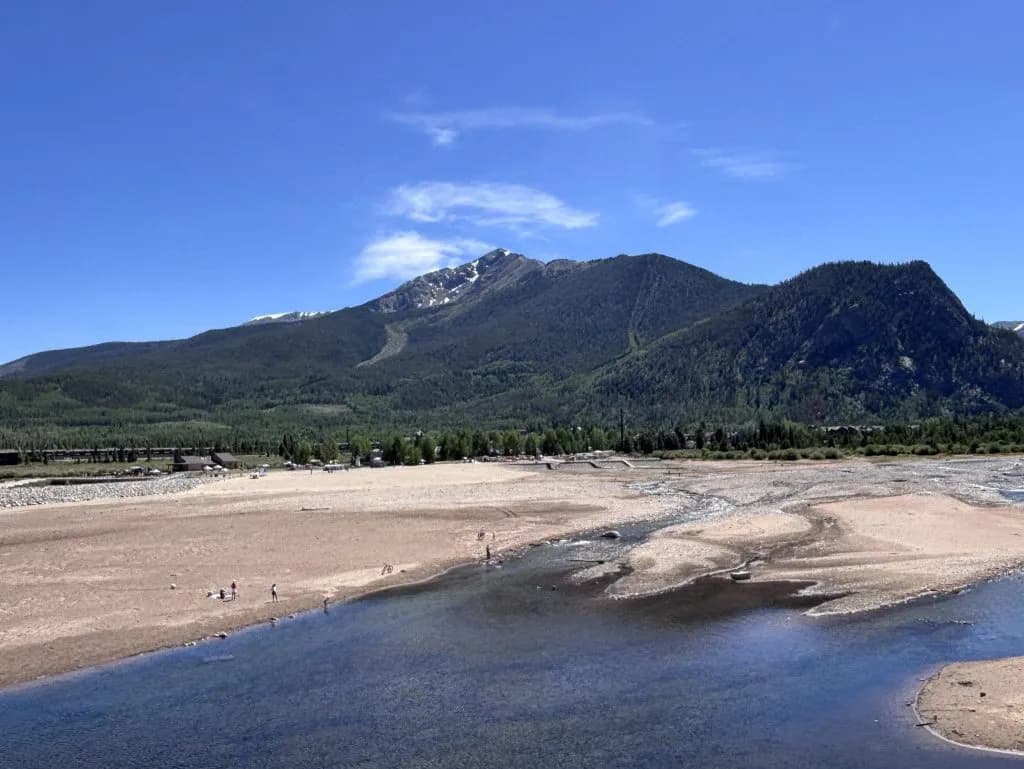
Steamboat Springs —A weather station in Dillon recorded the second-hottest first half of June in 130 years. It got just 1/100th of an inch of rain.
That is not a typo. One-hundredth of an inch.
Colorado’s mountains are baking. Soaring temperatures, zero precipitation, and wind are turning already severe drought conditions into a wildfire tinderbox. Russ Schumacher, the state climatologist, has the data. He says June is typically the driest month on the Western Slope before the monsoon hits, but the average is never zero. We usually get some rain. We aren’t getting it.
The context here is critical. This isn’t just a bad weather week. It’s the culmination of the hottest winter on record, paired with the worst snowpack in history. A March heatwave melted that snowpack faster than it could accumulate. May offered a brief reprieve with some snow and near-normal temps, slowing the meltout. Without that May break, Schumacher notes, we’d be in much worse shape right now.
But the break is over.
Exceptional drought — the highest level — continues to hammer Summit, Grand, Eagle, Pitkin, Garfield, Rio Blanco, and Moffat counties. The U.S. Drought Monitor report published Thursday, June 18, confirms the severity. The intermountain region isn’t starting this dry spell from scratch; the drought carried over from last summer, when above-average temperatures and dry weather dominated.
Schumacher points to the root cause. It’s climate change. It’s the carbon dioxide and heat-trapping gases we’ve pumped into the atmosphere by burning fossiluels. The trend is undeniable. From Aspen to Steamboat Springs, temperatures this weekend are expected to run five to 10 degrees above average.
“Summer is when it’s the hottest naturally, and then we’re adding additional heat to that to warm up summers even further,” Schumacher said. “It’s really apparent in June that, especially in the mountains and in western Colorado, we’ve seen June getting a lot warmer.”
On average, temperatures in Colorado have risen by about 3 degrees since 1970. That 3-degree shift might sound small on a thermostat. It’s massive in the Rockies. It changes how fast snow melts. It changes how long the fire season lasts. It changes the moisture content in the soil and the trees.
For locals, the immediate impact is visibility and risk. The air is drier. The fuel is ready. If lightning strikes or a spark flies, the ground is already primed to burn. Schumacher says the dry conditions will continue for at least the next several days to a week.
There’s no silver bullet here. The snowpack is gone. The rain didn’t come. The heat is staying. The data doesn’t lie. We are burning through our moisture reserves faster than nature can replenish them. This is the new normal for June in the high country.
The bottom line is simple: the window for firefighting is closing, and the cost of inaction is rising. If you live in the valleys, expect higher fire danger, reduced air quality, and a longer, hotter summer. The 3-degree average rise since 1970 is just the baseline. This year, we’re seeing the acceleration.
Keep up with Steamboat Springs
The day's Western Slope news, one email each morning. Free.
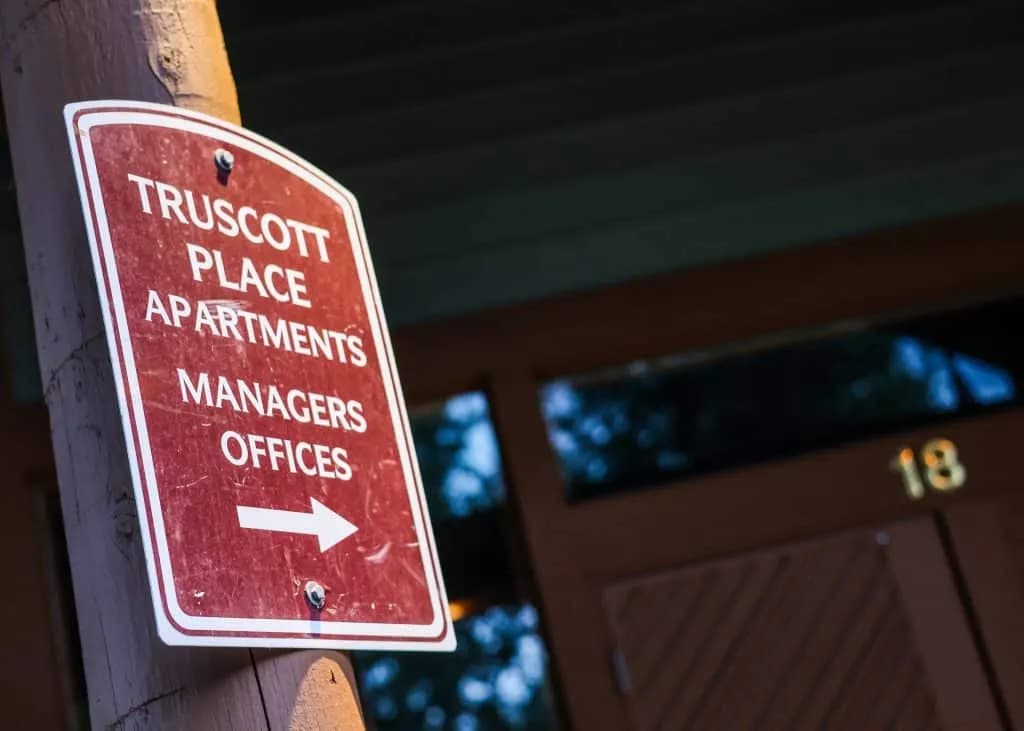
Aspen Housing Authority Seeks $590K Office Upgrade Amid Cramped Conditions
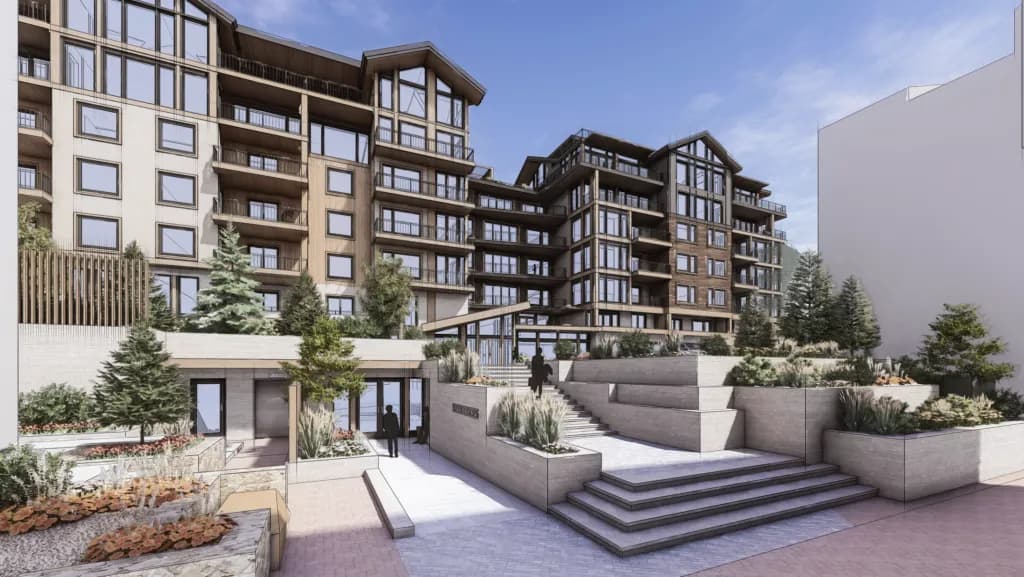
Vail Secures Water Rights for 37-Unit Montelisse Condo Project
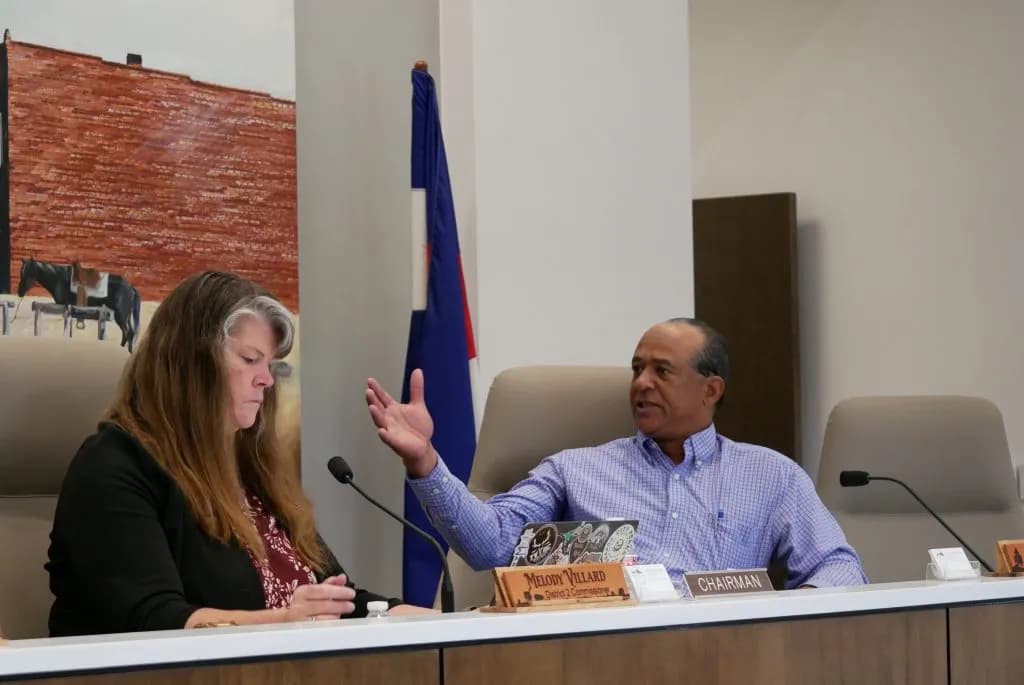
Moffat County Commissioners Weigh Data Center Moratorium Amid Transparency Claims
New Jersey Couple Tracks Lost Dog from Steamboat to Toponas

Poet kweisi hosts book signing at Steamboat's Off The Beaten Path