Complex Incident Management Team 2 Takes Command of Gold Mountain Fire
Complex Incident Management Team 2 assumes control of the Gold Mountain Fire Tuesday morning, stabilizing operations near Ridgway while crews protect structures along Highway 550.
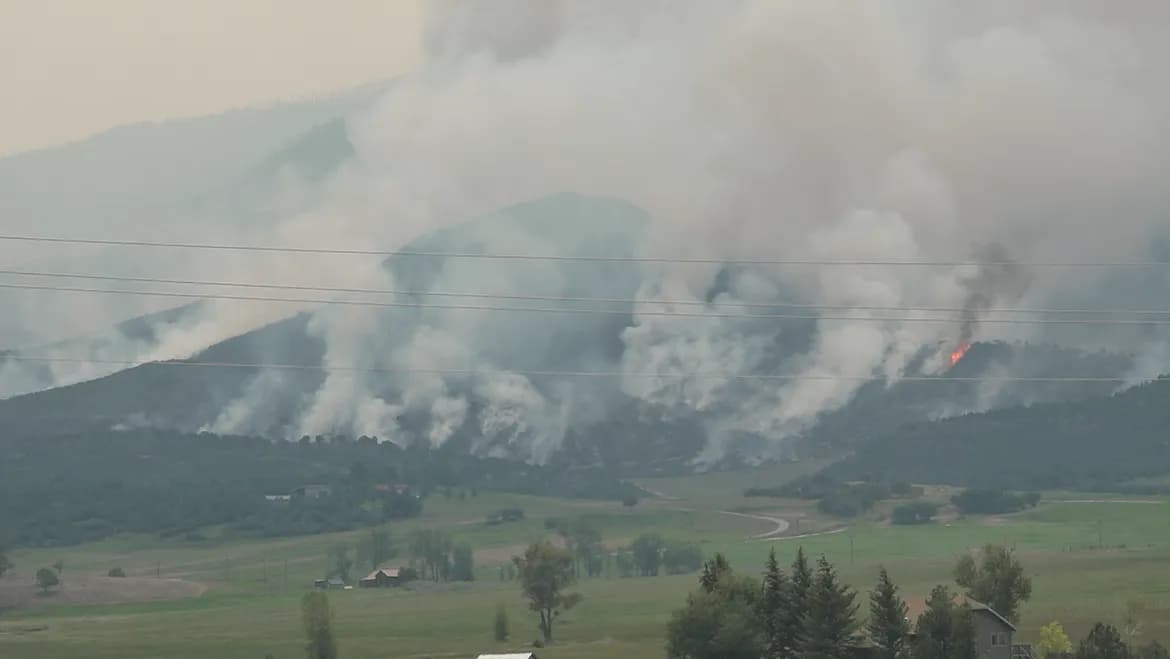
Western Slope —The Gold Mountain Fire is big, but it’s not just getting bigger — it’s getting managed by a different team.
Command of the blaze transferred Tuesday morning from Rocky Mountain Complex Incident Management Team 3 to Complex Incident Management Team 2 (CIMT 2). The shift happened at 6 a.m., a time chosen not for drama, but for operational continuity. The fire itself has reached 36,965 acres with only 12% containment, a statistic that sounds small until you realize it means 88% of the burn area is still actively consuming fuel.
To hear the officials tell it, the change in leadership is about stability. The new command team spent Monday getting their boots on the ground, familiarizing themselves with the specific topography of the West, Middle, and East Forks of the Cimarron River. They weren’t just looking at maps; they were discussing strategic suppression tactics with the outgoing team to ensure the handoff didn’t disrupt the work already underway.
"The transfer of command took place at 6 a.m. Tuesday, with Complex Incident Management Team 2 (CIMT 2) taking over from Rocky Mountain CIMT three," Western Slope Now reported, noting that officials emphasized this transition was designed to keep the expansive blaze under control without missing a beat.
The terrain they’re managing is unforgiving. Crews are working along the Highway 550 corridor, specifically just above Ridgway and extending north to the Division break near Cow Creek. This isn’t just about putting out fire; it’s about protecting the structures that sit in the shadow of those mountains. Firefighters are mopping up residual heat and reinforcing fire lines established during Monday’s firing operations between Nate Creek and Lou Creek.
The logic here is straightforward: if you can’t stop the fire from moving north, you have to make sure it doesn’t take the houses with it.
Crews are connecting natural features — old roadbeds, meadows, rock outcrops, to create barriers. These natural breaks reduce the fuel load, making it harder for the fire to leapfrog over containment lines. They are building primary indirect confinement lines and scouting for secondary lines to serve as backups. It’s a layered defense, and it’s happening while the fire continues to spot over the Middle Fork and into the East Fork of the Cimarron.
For locals, the immediate impact is on the commute. Reduced speed limits are in effect along the Highway 550 corridor. The reason isn’t just caution; it’s volume. Significant firefighter traffic is moving up and down the corridor, and officials say keeping those crews and the public safe is the primary objective. If you’re driving that stretch of road right now, you’re sharing it with hundreds of people trying to keep a 37,000-acre fire from growing further.
The fire started on June 27. It has been spreading west, but the focus now is on holding the line to the north and west. Structure protection efforts are ongoing for areas north of Silver Jack Lake, where crews are assessing properties to implement protective measures.
The math holds up: 12% containment means the fire is still largely wild, but the command structure is stabilizing. The second complex incident management team is taking the reins, and they’re doing it with a clear eye on the geography. They’re not just fighting fire; they’re fighting for the structures in the valleys below.
As the team settles in, the priority remains the same as it was under CIMT 3: keep the fire from spreading further north and protect the homes that dot the landscape between Ridgway and the higher elevations.
"This orientation was designed to ensure a seamless transition of operations," the report noted, a quiet assurance that while the fire grows, the people managing it are staying ahead of it.
Keep up with Western Slope
The day's Western Slope news, one email each morning. Free.
The helicopter banks hard over the Sand Wash Basin, its rotors kicking up a brown cloud that swallows the horizon
The question hanging over every kitchen table in Grand Junction isn’t about the price of gas or the state of the economy

Tucker Vest Burton knows the problem
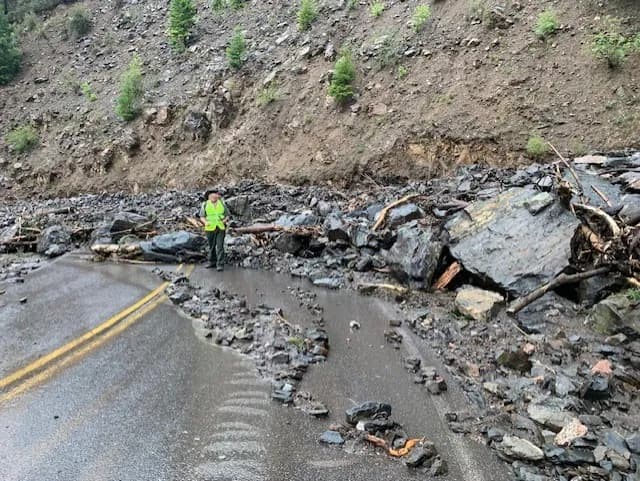
Mudslides Strand Visitors on East Portal Road After Heavy Rain

How Western Slope Residents Can Safely Wash Produce Amid Cyclospora Outbreak