Complexion Contemporary Ballet Brings 'Imagine Joy' to Aspen
Complexion Contemporary Ballet performs 'Imagine Joy' at Aspen District Theater on July 28, showcasing unity and harmony through a blend of classical and contemporary dance styles.
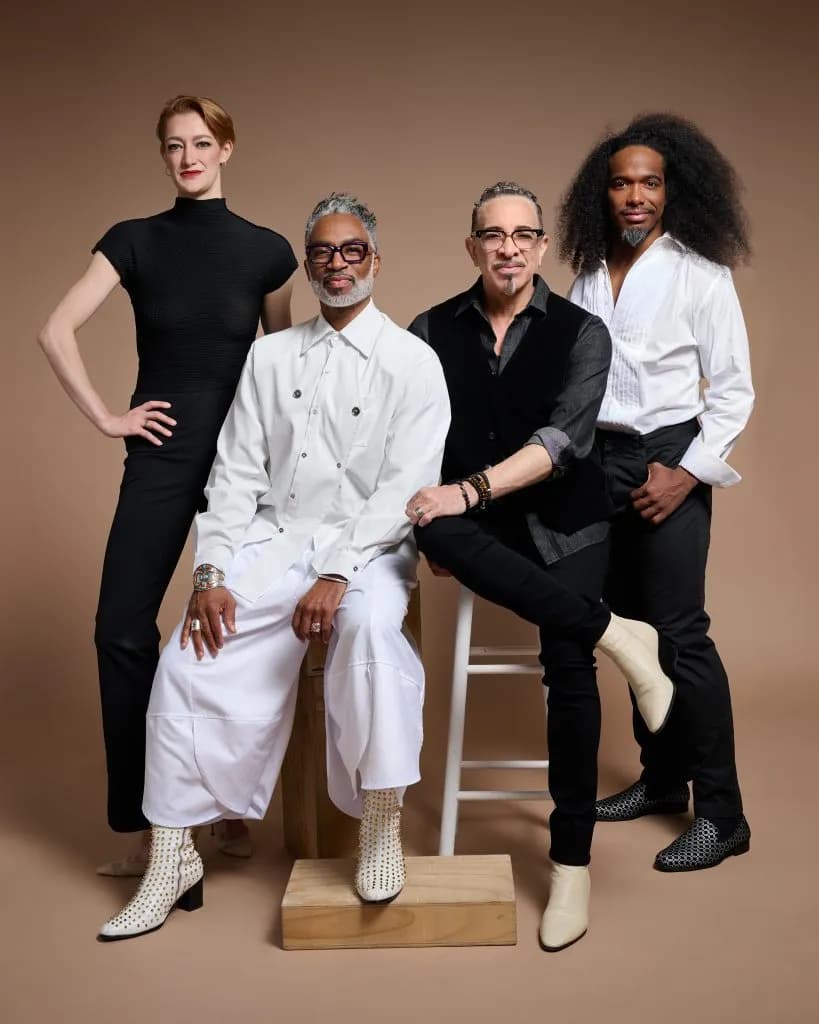
Aspen —The lights dim over the Aspen District Theater, and for a moment, there is only the sound of breath and the rustle of movement before the music swells. It is July 28, and the air inside the venue holds that specific, charged silence that precedes a performance — a collective holding of breath as the audience settles into the dark. This is where Complexions Contemporary Ballet steps onto the stage, not merely to dance, but to argue for unity through the physical language of the body.
Feinsinger wrote in the Aspen Times that the company pushes the boundaries of both classical and contemporary dance, blending styles in a way that feels less like a rigid discipline and more like a conversation. But the real story here isn’t just the athleticism; it’s the message. Founding co-artistic director Dwight Rhoden describes it as seeing "all of the seemingly different qualities under one roof and existing in a harmonious way." You can feel that intent in the way the dancers move — their body types vary, their backgrounds differ, yet they occupy the same space with a common ground that feels earned, not forced.
There’s a warmth to the history between Complexions and its long-time local partner, Aspen Santa Fe Ballet. They share a lineage spanning more than 30 years, a rarity in the ballet world where directors change like the seasons. Both organizations have maintained the same directors, who happen to be good friends. Rhoden was actually the first choreographer Aspen Santa Fe Ballet commissioned in 1996, a fact that underscores a deep, personal investment in this new work.
The piece itself, titled “Imagine Joy,” was commissioned specifically for this Aspen performance. It’s not just a routine; it’s a narrative arc. The performance begins with a duet set to Beethoven’s “Ode to Joy,” serving as a prequel to a broader, more complex soundscape. It ends with Samuel Barber’s “Adagio for Strings,” a choice that feels deliberate, grounding the ethereal in something mournful and profound.
Rhoden describes the piece as emotional, noting that while there is a softness to it, there is also an "underlying hunger for wanting to find joy, bliss, happiness, harmony." It’s a journey that doesn’t offer easy answers. The piece unfolds and leaves the audience in the third movement, all strings, in a "dream state" that Rhoden calls "inconclusive." It’s very physical, very contemporary ballet, but it’s also deeply human.
What makes this performance worth the drive up the mountain isn’t just the pedigree of the company, but the fact that Aspen Santa Fe Ballet gets behind new creations. As Rhoden noted, new work is the lifeblood of any company, and it’s rare to find an organization that sees it through to the end. They are celebrating the individual while also celebrating the world message, that you can come from a different background and still enrich each other’s lives.
The stage is set. The dancers are waiting in the wings, their different body types a visual example of what a harmonious culture could look like if we could just achieve it. You watch them, and you wonder if the stage can teach us how to live off it. The lights come up, the music fades, and for a few hours, the valley holds its breath in unison.
Keep up with Aspen
The day's Western Slope news, one email each morning. Free.