Consuelo Redhorse Runs for House District 13 to Bridge Front Range Gap
Silverthorne resident and Summit School District Board President Consuelo Redhorse campaigns for House District 13, promising to address the disconnect between Front Range decisions and Western Slope realities regarding housing, education, and cost of living.
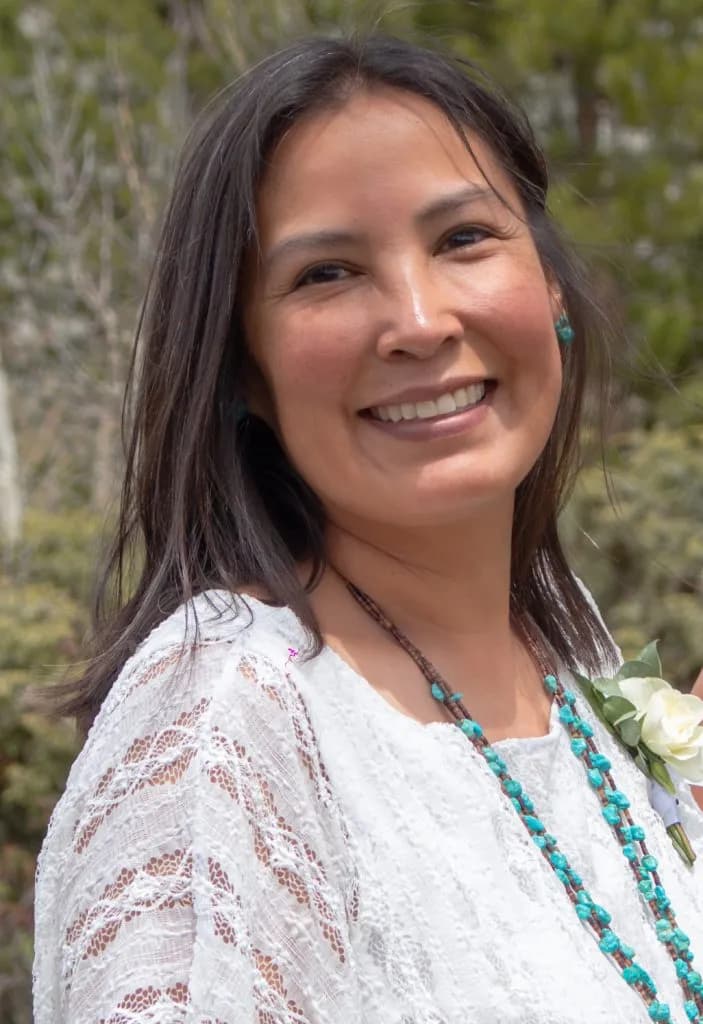
Glenwood Springs —Consuelo Redhorse says rural mountain communities deserve a strong voice at the Capitol. Does she have the power to deliver it?
The short version is this: she’s running for House District 13. She wants to fix the disconnect between Front Range decisions and Western Slope realities. She lives in Silverthorne. She’s been here since 2011. She’s a mother, a small business owner in long-term rental housing, and the president of the Summit School District Board of Education.
That last title matters. It’s not just a line on a resume. It’s a direct line to the taxpayers footing the bill for public education. She was elected in 2019. She was re-elected in 2023. She says she takes her duty to serve students, families, and taxpayers seriously.
Make no mistake. The housing market is the wedge issue here. Redhorse works in long-term rentals. She knows how hard it is for working families to navigate bureaucratic systems. She knows the barriers locals face every day. She claims this experience gives her the leverage to decrease those barriers.
The challenges in House District 13 aren’t unique to Colorado. But they hit different here. Geography isolates us. Infrastructure lags. Healthcare access is limited. The cost of living is punishing. Solutions crafted in Denver often miss the mark when they land in Summit County.
Redhorse argues that our way of life — shaped by these specific constraints — needs to be elevated by our own representatives. She wants lawmakers to stop treating rural mountain communities as an afterthought. She wants policies that reflect lived realities, not just campaign promises.
She lists the essentials: safe housing. Affordable healthcare. Childcare. No one should have to choose between paying bills and buying groceries. That’s the pitch. It’s a classic cost-of-living squeeze. It’s real. It’s painful.
Public education is her other pillar. She calls it the cornerstone of democracy. It teaches critical thinking. It encourages diverse viewpoints. It provides tools for young people to succeed. Simple enough. But implementing it in a district where housing costs can swallow a teacher’s salary is harder than it sounds.
She also throws in the usual environmental checkboxes. Protecting public lands. Protecting water. Climate resilience. Renewable energy. We are stewards of the earth, she says. For generations. That’s broad. It’s safe. It appeals to the outdoor-loving demographic that dominates Summit County.
But look at what she’s not saying. She doesn’t mention the state budget constraints. She doesn’t detail how she’ll fund these promises without raising taxes or cutting services elsewhere. She doesn’t explain how she’ll bridge the gap between a small business owner and a school board president when priorities clash.
She says she’s courageous. Bold. Willing to listen to all constituents, not just those who voted for her. That’s a standard claim. Everyone says it. The test is whether she acts on it when the rubber meets the road.
Her platform is built on the idea that local experience trumps generalist knowledge. That’s a valid argument. It’s also a risky one. Governing requires compromise. It requires understanding the broader state apparatus, not just the local zip code.
Redhorse is betting that locals are tired of feeling ignored. That they want someone who understands the specific friction of living in the mountains. Someone who knows that a one-hour delay on I-70 isn’t just an inconvenience, it’s a lifeline disruption.
The election is coming. The voters will decide if her background in housing and education translates to legislative power. Or if it’s just another qualified candidate with a polished press release.
Read that again. She’s not promising to solve everything. She’s promising to listen. And to lift up the rural mountain voice. Whether that voice gets heard over the Front Range din is the real question.
Keep up with Glenwood Springs
The day's Western Slope news, one email each morning. Free.
Alliance Defending Freedom Demands Roaring Fork Schools Drop 3Rs Curriculum
White River National Forest Proposes New Management Zones at Sweetwater Lake