CSU Team Deploys Hail-StormScope AI to Warn Colorado Residents Sooner
A Colorado State University team will debut Hail-StormScope in 2027, an AI system designed to extend dangerous hail warnings by hours or days for Front Range residents.
"Then there’s something we can do about it."
Kristen Rasmussen speaks from a quiet distance, but the words carry the weight of broken arms and shattered skin. She is an associate professor of atmospheric science at Colorado State University, and she isn’t talking about a new software update. She’s talking about the moment in 2023 when she sat at a computer screen, watching a storm cell develop over Red Rocks Amphitheatre. The data was flowing in. She hoped security personnel knew what was coming. They didn’t have enough time.
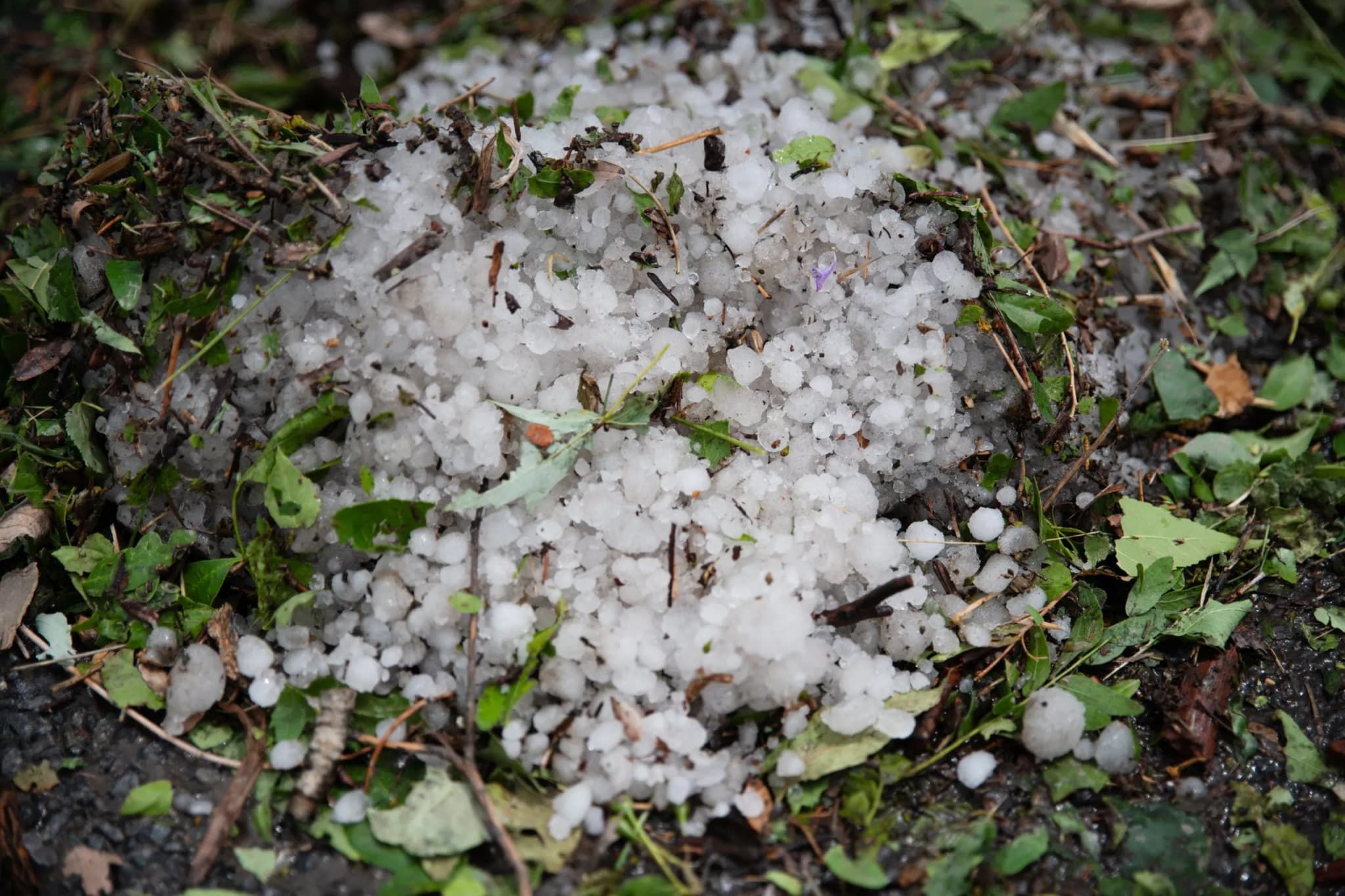
The storm hit fast. Golf-ball-sized hail broke bones and cut skin, injuring nearly 100 concertgoers in a sudden deluge. It is the kind of event that lingers, not because it was rare, but because it was avoidable with better lead time.
Now, Rasmussen is part of a cross-disciplinary team deploying artificial intelligence-assisted weather forecasts in 2027. The goal is simple but radical: extend warnings of dangerous, destructive hailstorms by hours or possibly days.
The system is called Hail-StormScope. It links a specialized version of chipmaker NVIDIA’s forecasting technology with a machine-learning model previously developed at CSU. The combination is already proving effective in side-by-side comparisons of past events. Where older models offered a pre-storm prediction that was broad and often imprecise, the new AI-powered model generates more comprehensive warnings from the same observed conditions. It updates impact areas as storms change, giving forecasters a moving target rather than a static guess.
And that matters because the stakes have shifted. Climate change is raining down heavier storms more frequently on the Front Range. Hail costs have become the largest contributor to the property insurance crisis in Colorado and other states. The economic bleed is slow, but it is constant.
The new system won’t rely on chips alone. It will draw on older, low-tech tools that have served the region for decades. CSU climatologist Russ Schumacher maintains a statewide network of amateur weather observers. Their home stations feature a foil-covered styrofoam platform designed to register the size of hailstones before they melt. It is a cheap, effective sensor that high-tech models often overlook.
The project, funded in part by the National Science Foundation, will also send out drones after storms. Rasmussen notes that verifying hail’s destructive path from the ground can be difficult, especially when the debris is scattered or buried under new precipitation. Drones provide a birds-eye view, filling in the gaps that ground observers miss.
Rasmussen points to data showing that the window for hail in the Denver metro region is expanding. It now starts earlier in the spring and ends later in the fall. The season is stretching, which means more exposure for neighbors, commuters, and property owners across the Front Range.
The team is not promising to stop hail. They are promising to see it coming sooner. In a landscape where insurance premiums are climbing and storm intensity is increasing, that extra window of time is the difference between a precautionary move to cover a car and a total loss.
The technology will debut in 2027, but the groundwork is being laid now. The styrofoam platforms are still out there, catching hail in the dark. The drones are being tested. The models are learning.
Rasmussen thinks back to that night at Red Rocks, the screen glowing with data she couldn’t use fast enough. She doesn’t want to be in that position again. Not for the next concert, not for the next storm, but for the neighbor whose roof is about to give way. The forecast is getting longer. The warning is coming earlier. And for the first time, we might actually have time to react before the ice hits.
Keep up with the Western Slope
The day's Western Slope news, one email each morning. Free.