DCCC Adds Colorado 3rd and 4th Districts to 2026 In-Play List
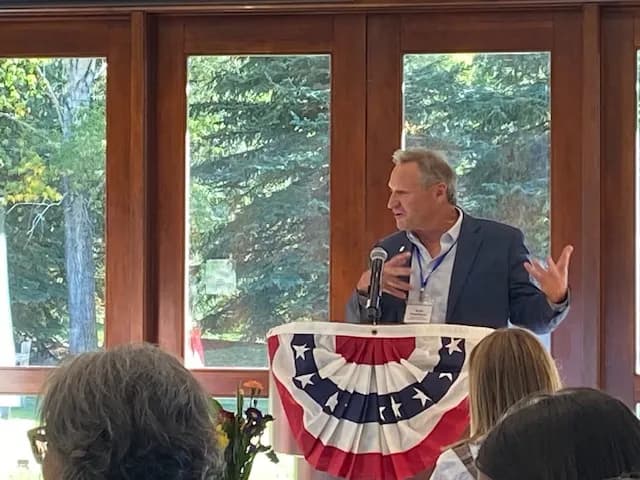
The Democratic Congressional Campaign Committee officially designates Colorado’s 3rd and 4th districts as targets for 2026, citing a narrow 1% polling gap between Dwayne Romero and Rep. Jeff Hurd.
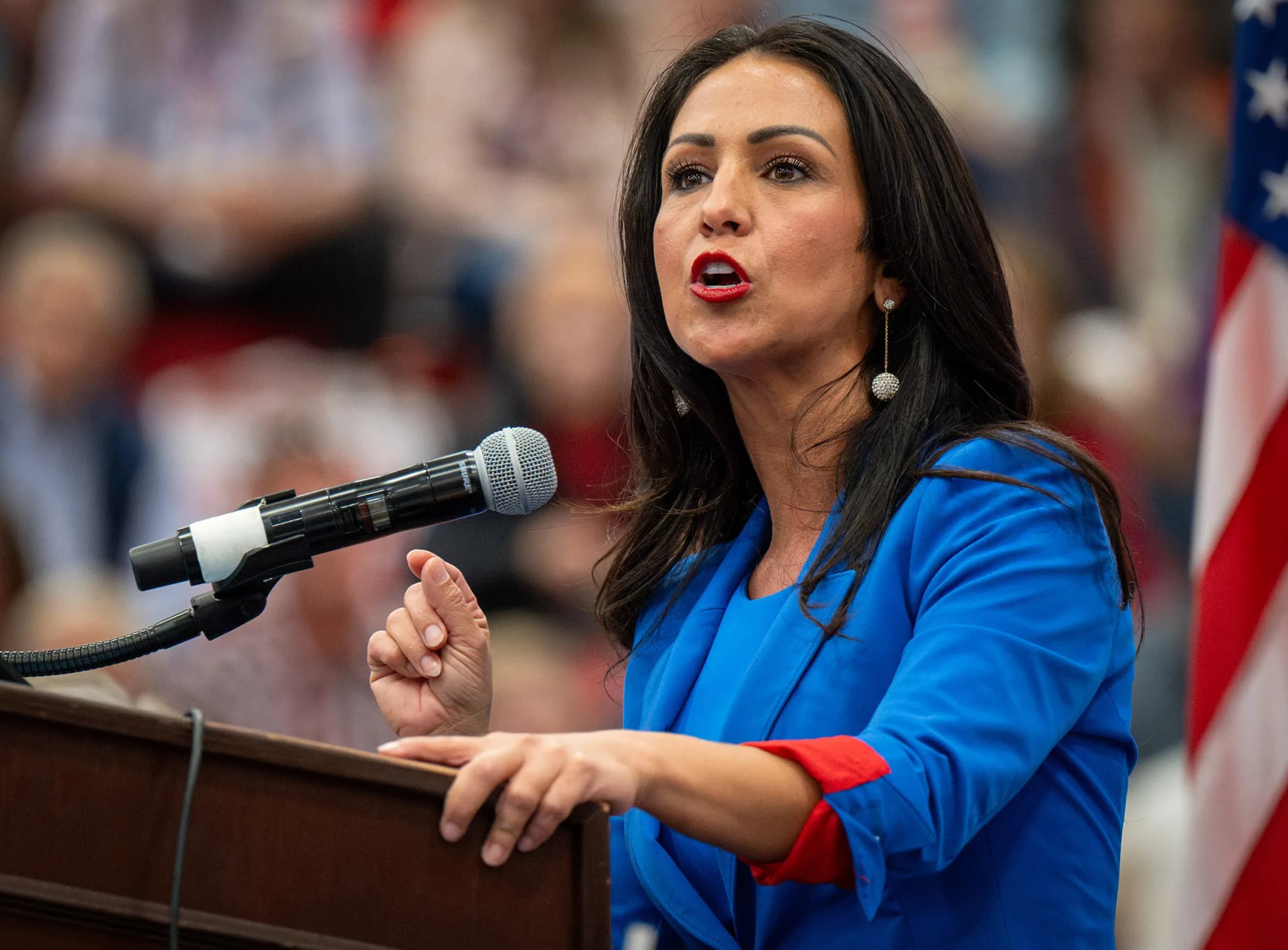
Dwayne Romero is down just one percentage point.
That’s the number that matters to the Democratic Congressional Campaign Committee (DCCC) as it recalibrates its map for 2026. The national party has officially added Colorado’s 3rd and 4th congressional districts to its list of “districts in play,” a designation that signals a shift from mere observation to active investment. For the first time, the 3rd — stretching from the Western Slope down through Pueblo — and the 4th, which covers the northern front range, are targets for a potential Democratic sweep of all eight Colorado congressional seats.
The math holds up, at least on paper.
Romero, a former Aspen City Councilman, released an internal poll last week showing him trailing Republican U.S. Rep. Jeff Hurd by only 1%, with 9% of the electorate still undecided. The survey, conducted by Keating Research from July 21 to 23 among 500 likely voters, carries a 4.4 percentage point margin of error. That statistical tie suggests the gap between Hurd’s 2024 victory over Adam Frisch, a narrow 5-point win - and the current political climate is closing fast.
“The DCCC believes the 3rd and the northern district can no longer be ignored by national Republicans in their battle to retain control of Congress,” the Colorado Sun reported.
The question is whether this attention translates into votes or just spending. The DCCC’s new focus comes with candidate guidance and messaging help, though significant funding might still be on the horizon. The strategy is twofold: win the seat, or make the GOP bleed. Democrats count it as a win if their candidates lose in those two areas, provided Republican incumbents like Hurd and Lauren Boebert (R-Windsor) have to spend money to protect their seats. Those are dollars that don’t go elsewhere in Colorado or across the country.
Hurd, who represents Grand Junction, has seen his district become a focal point. He beat Frisch by 5 percentage points in 2024, a result that seemed secure until the national headwinds picked up. The DCCC’s changing outlook is driven largely by the broader political environment. Democrats have been winning special elections nationwide, and polling indicates President Donald Trump’s popularity is at its lowest levels. Voters are signaling they are increasingly open to ousting Republican members of Congress.
There are also district-level indicators that Hurd and Boebert may be vulnerable. In the fourth District, which stretches across the northern front range, the pressure is mounting alongside the 3rd. The DCCC is already heavily invested in trying to unseat Republican U.S. Rep. Gabe Evans of Fort Lupton in the 8th District and Republican U.S. Rep. Jeff Crank of Colorado Springs in the 5th District. Meanwhile, Democrats hold a firm grip on the 1st, 2nd, 6th, and 7th districts.
For folks on the Western Slope, the inclusion of the 3rd District in the national “in play” mix means more eyes on Hurd. It means more visits, more mailers, and more scrutiny from the party that controls the purse strings of national politics. The race is no longer just about local issues; it’s about whether the national mood can overcome the specific dynamics of a district that spans from the Grand Valley to the Arkansas River Valley.
The timing is critical. With the 2026 midterms approaching, the DCCC is betting that the current political temperature will hold. If Hurd and Boebert are to survive, they can’t just rely on their 2024 margins. They have to defend against a national wave that the DCCC now believes is real, measurable, and potentially fatal to Republican control of the House.
To hear them tell it, the path to flipping all eight seats is narrowing, but it’s no longer closed. The 3rd and 4th are the new battlegrounds, and the money is starting to flow.
Keep up with the Western Slope
The day's Western Slope news, one email each morning. Free.