Delta County Drivers Face High Deer Collision Rates on Highway 133
New CDOT data reveals Highway 133 between Paonia and Hotchkiss as a top wildlife collision zone in Delta County, with the Western Slope accounting for 68% of state roadkill reports.
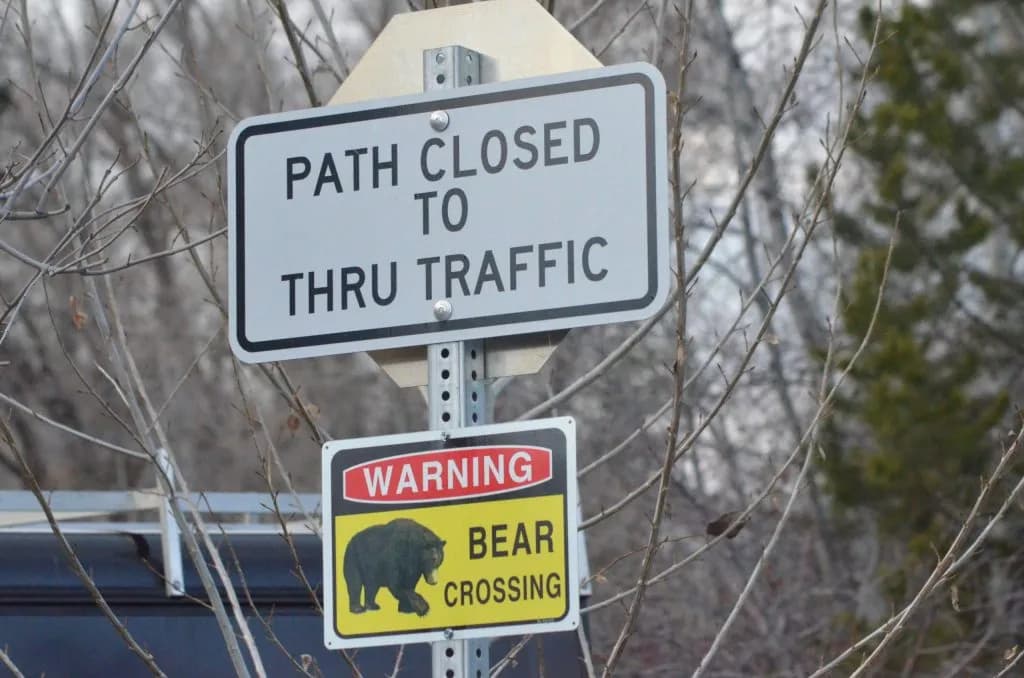
Glenwood Springs —Is your morning commute to the Grand Junction airport actually a deer hunt?
That’s the question hanging over Delta County drivers this week, staring back from a new report by the Colorado Department of Transportation. The data is in, and it’s grim. Over 7,700 animals were killed on Colorado highways in 2025. The vast majority of them? They died on the Western Slope.
Picture this: You’re merging onto Highway 133 near Paonia. The sun is low, the shadows are long, and you’re watching the treeline. You hit the brakes. Not because of traffic. Because a mule deer stepped onto the asphalt. That’s not just a scare; it’s a statistic. And according to the new 2025 roadkill data, that stretch of road between Paonia and Hotchkiss was the single hottest spot for wildlife collisions in the entire northwest region.
Here’s the thing though: these numbers aren’t a census. They’re a snapshot, and it’s a blurry one.
Lindsay Martinez, CDOT’s wildlife specialist, put it plainly in a recent note. The data relies on opportunistic reporting from road maintenance crews and a couple of apps. It’s not a systematic count of every single carcass pulled from the ditch. It’s what people saw, what they reported, and what the crews logged. So, while the state says the numbers are "vital" for planning, they also warn that the data is underreported. Some areas get more eyes on the road than others.
But even with the caveats, the pattern is undeniable. The Western Slope accounted for 68% of all roadkill reports in the state. The southwest region alone claimed 39% of the total. That’s not a small slice of the pie. That’s the whole bakery.
The northwest region — which covers everything from Moffat County down to Hinsdale, including Delta, Garfield, and Rio Blanco — reported 2,226 animals. That’s 29% of the state’s total. And if you look at the specific highways, the danger zones are familiar to anyone who drives this valley. Interstate 70 through Glenwood Springs was a hotspot. So was the stretch between Dowd Junction and Silverthorne. But it’s Highway 13 that keeps showing up. From Craig down to the Wyoming border, and further south into Garfield County, the reports pile up.
Why does this matter to you? Because it’s not just about the cost of a bumper repair. It’s about safety. It’s about the ecosystem. And it’s about the fact that the high-risk areas identified in this 2025 report align closely with those from a 2019 study. The roads haven’t changed much. The animals haven’t moved. We’re still hitting them in the same places.
The figures suggest that while the state is trying to reduce wildlife-vehicle collisions, the sheer volume of animals, and the volume of cars; is keeping the numbers high. Reports were up slightly across the state in 2025, with 273 more animals noted than in 2024. It’s a small increase, but in a place where a single elk can take out a pickup truck, it adds up.
So, when you’re driving home on Highway 133, watching the dusk settle over the valley, keep your eyes on the edges. The records show the deer are there. The logs show they’re getting hit. And the statistics show we’re not doing enough to stop it. Not exactly.
Keep up with Glenwood Springs
The day's Western Slope news, one email each morning. Free.