Pitkin County Takes Over Maroon Bells Operations Amid Rising Costs
Pitkin County moves to take over Maroon Bells scenic area operations from the USFS for the 2027 season, addressing federal funding shortfalls. This article also covers Aspen's new bike shop Right of Way restrictions, rising wildfire risks, and the Sean Tatro mistrial.
Glenwood Springs —“We run in the red,” Brian Glaspell told the Pitkin County Board of County Commissioners.
That’s not a cry for help. It’s a ledger entry. The White River National Forest Supervisor is admitting that operating the Maroon Bells Scenic Area is bleeding money. And now, the county is stepping in to plug the hole.
This is the lead story in Aspen’s top five most-read articles, and for good reason. It’s not just about tourists taking photos of those two iconic peaks. It’s about who pays when the federal government stops subsidizing your weekend getaway.
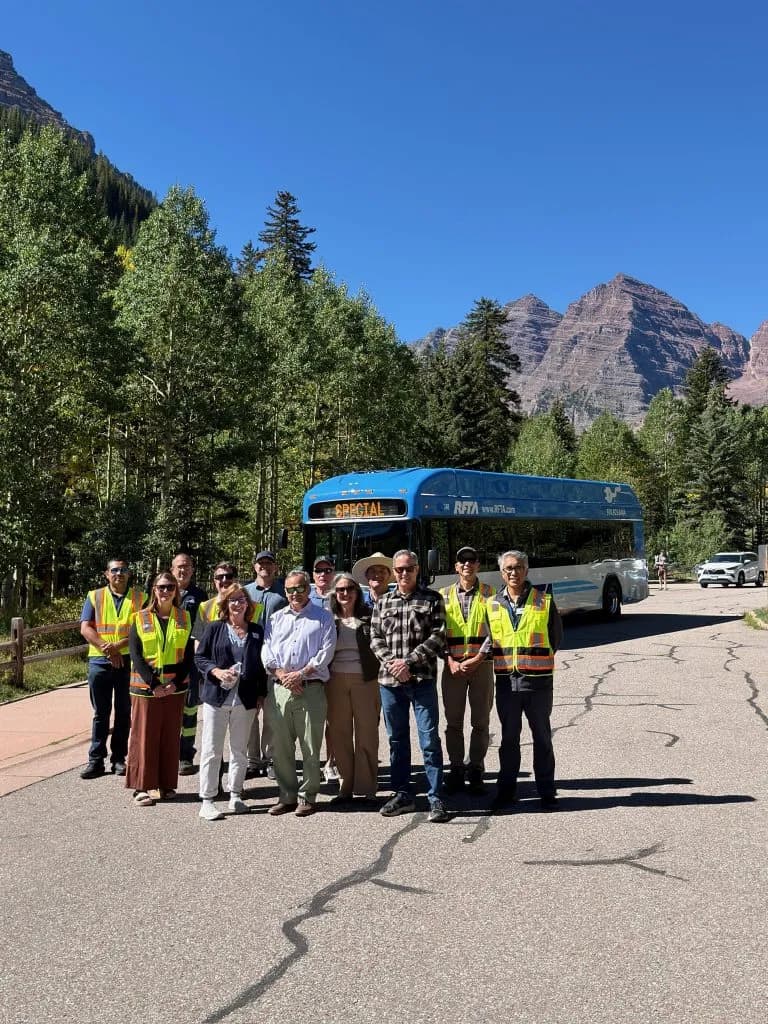
Pitkin County gave the go-ahead Tuesday to pursue a special use permit to take over operations from the U.S. Forest Service (USFS). The deal kicks in for the 2027 summer season. That’s the same year the county and the USFS celebrate 50 years of partnership. It’s a milestone. It’s also a deadline.
The USFS presented staffing shortages and funding shortfalls to commissioners during a May 12 work session. They proposed this special use permit as the fix. On paper, it’s a partnership. In practice, it means locals are about to foot the bill for infrastructure that the federal government has been underwriting for half a century.
Let’s look at the other big mover. Bike shops in Aspen are getting squeezed out of the Right of Way.
As of May 11, staff confirmed that for-sale and repair fleets are banned from the ROW. Rental fleets stay, provided they don’t block public access. Sale and repair units get the boot. The city council agreed in April, citing “restrictions on vending.”
It’s a spatial constraint play. Aspen’s real estate is expensive. Bike shops are using the street to stage inventory because their retail space is too small or too pricey. The city decided that’s no longer a valid excuse. You want to sell a bike? Put it in a shop. You want to repair it? Do it inside.
This hits the local retail ecosystem hard. It’s not a ban on bikes. It’s a ban on street-side commerce. It forces businesses to absorb higher real estate costs or shrink their footprint. The city says it’s about public access. The shops say it’s about survival. The ROW is the only space they have. Now they have to compete with downtown retailers on square footage and rent.
Then there’s the wildfire risk.
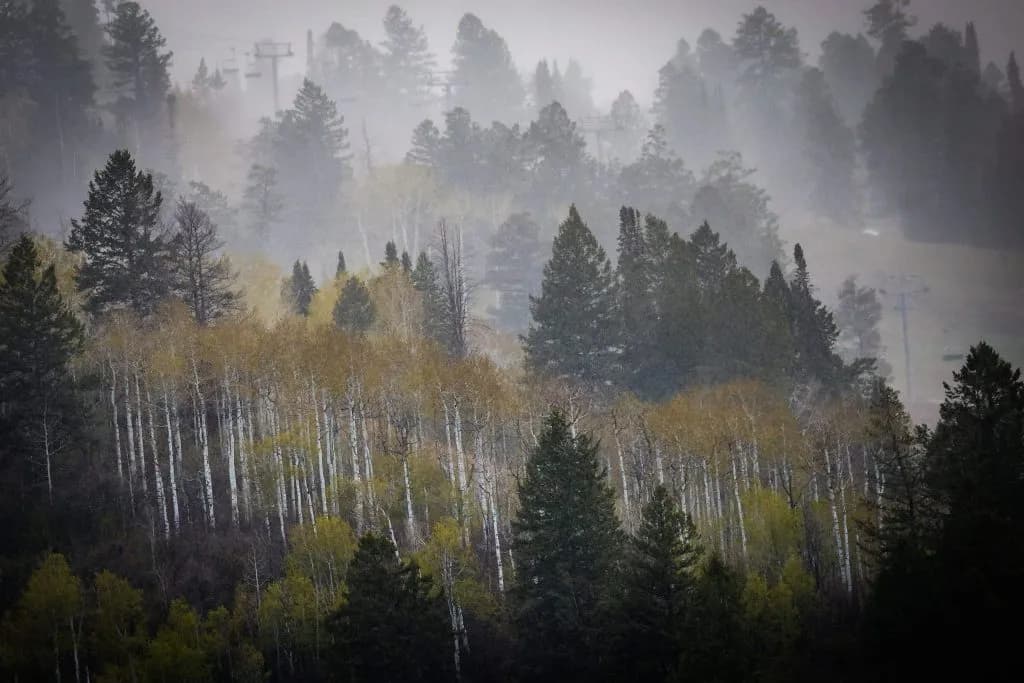
AccuWeather Senior Forecaster Chad Merrill says the fire risk is rising. It’s expected to stay elevated through most of the summer. Why? Record-low snowpack. Well-above-average temperatures. We’re looking at monsoon rain in “spurts” starting in August, which might dampen the heat slightly. But for now, the mountains are dry tinder.
This isn’t a forecast for next year. This is a warning for this summer. If you’re planning a hike up Maroon Creek or a drive up Independence Pass, expect the smoke. Expect the closures. Expect the insurance premiums to tick up if the USFS doesn’t get its act together on funding.
And let’s not forget the former Glenwood Springs school resource officer.
Sean Tatro’s trial ended in a mistrial Thursday. He’s facing felony and misdemeanor charges: menacing, sexual assault, second-degree assault, contributing to the delinquency of a minor, and use of a stun gun. He was arrested in April 2024 after a domestic violence report. He was on administrative leave at the time.
A mistrial isn’t an acquittal. It’s a reset. The county will likely retry him. The taxpayers will pay for the second trial. The community will pay in attention.
The Bureau of Land Management killed its own conservation rule. The Trump administration repealed the 2024 Biden-era rule that gave conservation equal priority with grazing, timber, and mining. Now, 81% of BLM lands are open to oil and gas drilling. Conservation lost its vote. Energy development won.
It’s a policy shift. It’s a land-use shift. It’s a revenue shift.
The bottom line? We’re paying for the scenic area. We’re paying for the bike shop regulations. We’re paying for the wildfire risk. And we’re paying for the legal battles of Sean Tatro.
The cost isn’t just in dollars. It’s in convenience. It’s in access. It’s in the air we breathe.
The Maroon Bells permit is the biggest story because it changes the financial model for one of the state’s most visited spots. If the county takes over, the costs get passed to Pitkin County taxpayers. That’s the practical impact. You vote for commissioners. You pay the bill.
Keep up with Glenwood Springs
The day's Western Slope news, one email each morning. Free.