Drought Drives Record Black Bear Attacks in Colorado High Country
Extreme drought forces hungry black bears into human areas, causing a record 7,000 interactions and five confirmed attacks across Colorado's High Country this year.
Steamboat Springs —Colorado’s High Country is seeing a surge in black bear activity driven by extreme drought, resulting in five confirmed bear attacks this year and thousands of human-bear interactions statewide.
The Colorado Parks and Wildlife (CPW) agency reported that from January 1 to August 20, 2026, the state recorded over 7,000 human-bear reports. That figure already surpasses the roughly 5,400 incidents logged for the entire year of 2025. The trend is particularly acute in the northwest region, which covers counties west of Jackson, Grand, and Summit, and north of Mesa, Pitkin, and Eagle. In that specific zone, four attacks have occurred in the first eight months of the year, marking the highest number in the last decade.
“This year, it’s not even that we are on track for a record year; it is a record year for the number of human bear reports that CPW as an agency has seen,” said Rachael Gonzales, public information officer for Colorado Parks and Wildlife.
The recent spike in aggression has translated into physical injuries for locals and visitors alike. This week alone, three attacks occurred in Aspen, Steamboat Springs, and EagleVail. Two of these incidents took place in or near residential areas. In EagleVail, a man was scratched on the arm by a female black bear as he exited an apartment laundry room. On the same day, a woman in Steamboat Springs near Fish Creek Fall Road was struck in the face while chasing a bear out of her home through a sliding glass door. CPW has set traps in both areas to manage the immediate threat.
The attack in Aspen’s Rio Grande Park occurred on Wednesday. A homeless man was sleeping in the park when a female bear approached and bit his head. The man woke up and escaped. Because this female did not have cubs, state wildlife officials captured and killed her.
The other two attacks this year involved hikers. On August 4, a minor in Snowmass was scouting for hunting season when a bear began following him. The minor attempted to haze the bear, which continued to follow him up a tree before he was able to fight it off. The fifth attack occurred on June 21 in Golden, also involving a hiker.
While the current number of attacks is notable, it is not unprecedented. Colorado has seen seven attacks in 2020, six in 2023 and 2019, and five in 2017. Historically, bear attacks remain rare. Between 1960 and today, the state has recorded only 105 attacks. Four of those were fatal, the most recent occurring in 2021 near Durango.
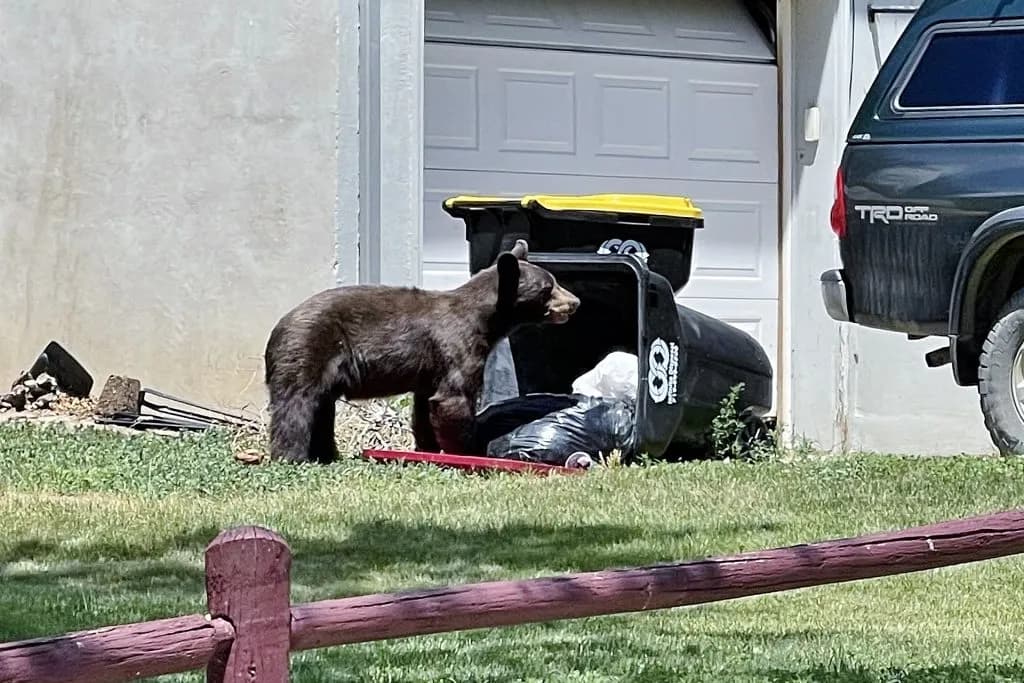
The driving force behind the increased interactions is the drought. As natural food sources dwindle, bears are spending more time in human-populated areas searching for sustenance. The reports include not just attacks, but sightings and property damage, such as bears raiding trash, vehicles, and homes.
The question is whether this level of activity will persist as the year progresses. Gonzales noted that bear activity is only just reaching its annual peak. With records already broken in the first seven and a half months, the pressure on local communities to manage waste and coexist with wildlife remains high.
“Bear attacks in Colorado are very rare,” Gonzales said. “Between 1960 and today, Colorado has only had 105 bear attacks.”
But rare or not, the math is clear: the bears are here, they are hungry, and they are interacting with people at a rate not seen in years. For folks in the valley, that means keeping a closer eye on the trash and the woods.
Keep up with Steamboat Springs
The day's Western Slope news, one email each morning. Free.