Eagle Aviators Program Builds Plane to Fund Student Flight Training
Eagle Aviators offers high school students in Gypsum an affordable path to flight training by earning 'flybuck' credits through building a Rans 21 plane and administrative work.
Aspen —The smell of aviation fuel hangs heavy in the hangars at the Eagle County Regional Airport, a sharp, sweet scent that cuts through the sterile air conditioning and signals something tangible is happening on the tarmac. For the local high school students involved in the Eagle Aviators summer program, that smell is the starting gun. They aren’t just watching planes land and take off from the runway; they are getting their hands dirty, learning the mechanics of flight, and earning the chance to actually fly.
The program kicks off in June with meetings scheduled for Tuesdays, Thursdays, and Saturdays, offering a flexible rhythm for students who want to dip a toe in or dive headfirst into the industry. The core of the experience is built on a unique currency: the "flybuck." Students can earn these credits by contributing labor to the construction of a Rans 21 plane, a project led by licensed airframe and powerplant mechanics that the group expects to complete next year. This isn’t just theoretical work; the completed aircraft will serve as the program’s primary training vessel.
The financial incentive is real. Ordinarily, an hour of flight training through the program costs $150 for the plane, fuel included, plus $30 for instruction. But if a student has earned enough flybucks through building or administrative work, that cost drops to $130. It’s a tangible reduction that makes aviation accessible to kids who might otherwise see it as a distant luxury.
“It’s the most affordable way for students to do a flight school,” said instructor Taylor Seaton.
The program is designed to be inclusive of different interests. Some students are obsessed with the engineering, the nuts and bolts of how a wing holds together under stress. Others just want to feel the yoke in their hands and learn to navigate the skies. Those who prefer the administrative side of aviation can earn flybucks through grant writing, fundraising, and organizing events — skills that are just as vital to the industry as wrenching on an engine.
Jesus Garcia, a sophomore at Eagle Valley High School, knows this well. He joined the program last year and recently secured the EAA’s 2026 Jay I. Kislak Memorial Flight Training scholarship, a $10,000 award that will go directly toward his flight school costs. Garcia describes the moment he first walked into the hangar near the airport in Gypsum as a turning point. The space, donated by Signature Aviation, was filled with planes and people ready to teach.
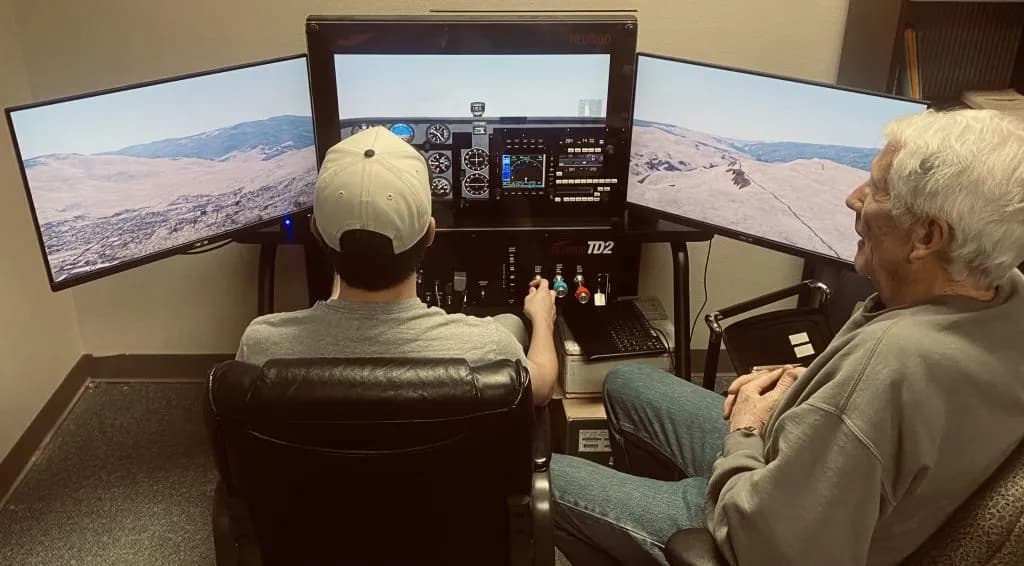
“I went through the gate into the hanger, and I just saw all these planes everywhere, and everyone introduces themselves and starts helping me learn how to use the tools,” Garcia said. “And then later they asked me if I wanted to use the flight simulator, which I was surprised they allowed me to use it, and I learned so much on just the first day, I started coming back as much as I could.”
The program relies heavily on donations to keep these costs down, making the administrative work crucial. It’s a nonprofit effort in a town that understands the value of community support. On June 20, the group will host an EAA Young Eagles event at 9 a.m. at 871 Cooley Mesa Road in Gypsum, an open invitation for the community to see the next generation of aviators in the making.
The hangar doors are open, the tools are laid out, and the smell of fuel is waiting.
Keep up with Aspen
The day's Western Slope news, one email each morning. Free.
NWRM CASA Honors Judge O’Hara and Founders at 15th Anniversary

Craig Hosts Only Regional Special Olympics Bowling Competition