Spain Deploys Military to Ceuta After Border Chaos Kills Nine
Spain sends armed forces to its North African exclave after thousands breach the fence, resulting in at least nine deaths and prompting a visit from Prime Minister Pedro Sánchez.

Aspen —At least nine people died. Thousands crossed the border. Spain sent in the military to fix what it called "absolute chaos."
Rachid Sbihi, head of the association representing Spain’s Civil Guard officers in Ceuta, didn’t mince words. He told The Associated Press that the border had "totally collapsed." It wasn’t just a few stragglers slipping through. It was a flood.
The Vail Daily reported Thursday that Spain’s government ordered the Armed Forces to help the Civil Guard maintain security in the city. This wasn’t a preemptive strike. Local authorities had asked for reinforcements before the situation boiled over on Thursday, when large crowds breached the border fence.
Prime Minister Pedro Sánchez is joining Interior Minister Fernando Grande-Marlaska for a visit to Ceuta on Friday. They’re going to see the mess firsthand.
On paper, this looks like a standard border management issue. In practice, it’s a logistical headache for a tiny Spanish territory. Ceuta is an exclave on the north coast of Africa, separated from Morocco by a narrow strip of land and water. The Tarajal border opened under unusual circumstances, according to Achraf Maimouni of the Moroccan Association for Human Rights. People crossed. Lots of them.
Video footage showed crowds walking across breakwaters at Tarajal beach onto local roads. Most were young men, but families with women and small children were there too. Some shouted "Viva España!" to freelance photographers. It’s unclear exactly what prompted the mass crossing, but the result is undeniable.
Spain’s government delegation in Ceuta confirmed at least nine deaths during Thursday’s chaos. They didn’t provide specific details on how those people died, but bodies were seen floating in the water. Dozens have died this year trying to reach Ceuta, according to local authorities.
Arrivals were already increasing before Thursday’s surge. Migrants mainly swam or walked across the border. Morocco’s Interior Ministry hasn’t publicly commented yet, but it did respond to requests for comment by stating the Moroccan government is "closely cooperating" with Spain.
Here’s the deal: Both countries agreed to work together for the "return, as soon as possible, of all the people who entered Ceuta illegally." Spain’s Interior Ministry guaranteed the safety of citizens and the integrity of the border. However, they stopped short of declaring a national emergency, despite local requests to do so.
The ripple effects are already showing up in Italy, another key destination for migrants. But for now, the focus is on Ceuta.
Let’s do the math. Nine deaths in one day isn’t a catastrophe for Spain, but it’s significant for a city with a population of around 85,000. The deployment of the military means more boots on the ground, more security checks, and likely higher operational costs for the local government.
The Spanish government isn’t panicking. They’re managing. But they can’t ignore the visual of bodies in the water or the thousands of people walking across their doorstep. The border is open, but it’s crowded, and the military is here to keep order until the numbers stabilize.
Keep up with Aspen
The day's Western Slope news, one email each morning. Free.

Dwayne Romero tightens race against Jeff Hurd in new poll
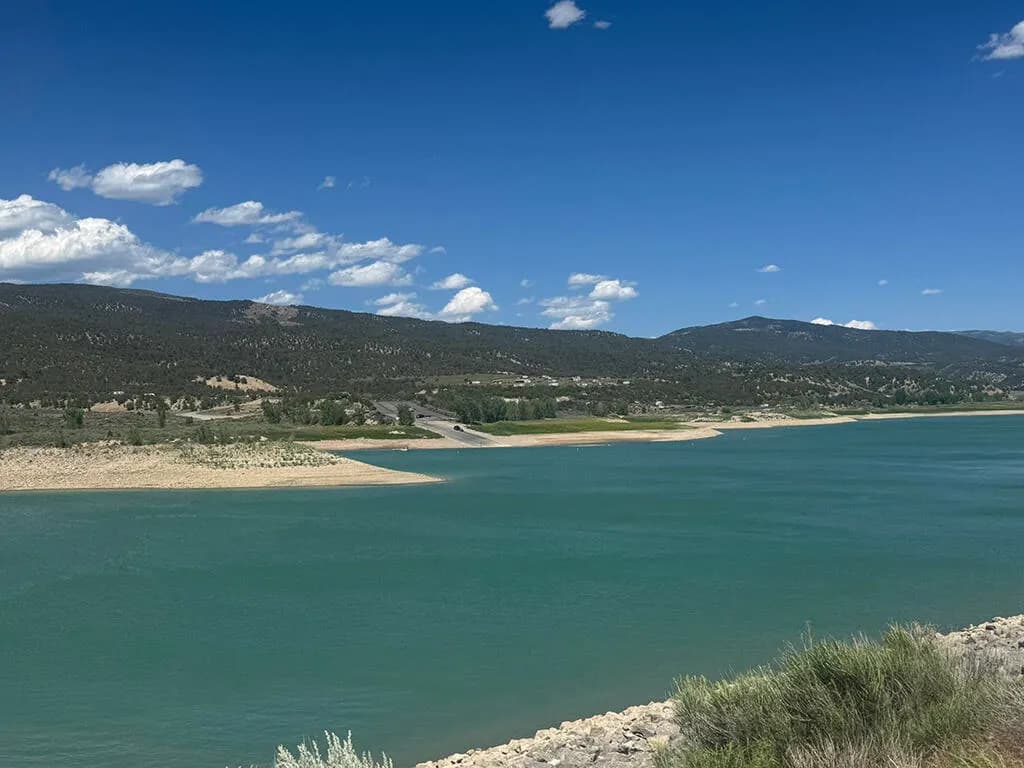
Rifle Gap Reservoir Closes Primary Boat Ramp Amid Critical Low Water Levels