Flat Tops Launches $100K Cloud Seeding Pilot to Boost Snowpack
A $100,000 pilot program begins testing ground-based cloud seeding across 200,000 acres of the Flat Tops to determine if the technology can measurably increase snowpack during Colorado's record drought.
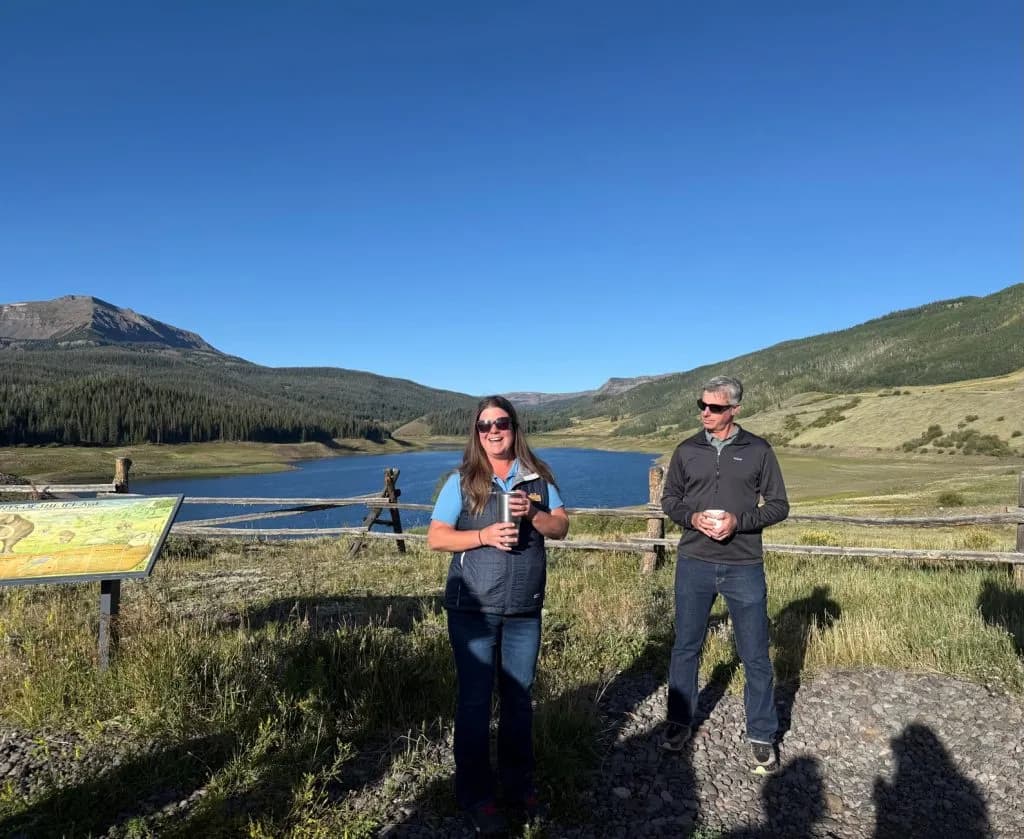
Steamboat Springs —The obvious take on cloud seeding is that it’s a desperate, last-ditch effort to squeeze water out of the sky. It feels like a magic trick: point a machine at a cloud, get more snow. But the reality is far less theatrical and much more about physics and timing.
Starting this winter, a pilot program will test whether a specific ground-based technology can actually increase precipitation across nearly 200,000 acres of the Flat Tops. This isn’t just about making it snow harder; it’s an experiment in efficiency.
The project is a one-year pilot funded by a $100,000 grant from the Colorado Water Conservation Board to the Upper Yampa Water Conservancy District. It uses a solar-powered system from Rain Enhancement Technologies. According to the Craig Daily Press, this will be Colorado’s ninth permitted weather modification project. It joins established cloud-seeding operations at major ski resorts like Vail, Beaver Creek, and Breckenridge, as well as a project in Weld County.
Andy Rossi, the general manager of the Upper Yampa district, doesn’t sell it as a miracle. He calls the technology “brand new and experimental.”
“We don’t know if it works yet,” Rossi told the Craig Daily Press. “But we’re willing to give it a shot and do the research behind it and see if it’s worth continuing later out for a couple of decades.”
The stakes are high because the baseline is broken. This year, Colorado recorded its worst snowpack on record, paired with abnormally hot temperatures and historically low streamflows. The northwest corner of the state has spiraled into deeper drought.
To understand why the region is the target, you have to look at where the water goes. The Yampa River collects snowmelt from these high elevations, flows east to Stagecoach Reservoir, then turns west into Dinosaur National Monument. It merges with the Green River and eventually feeds the Colorado River. The White River also starts in the area. Rossi notes that these two rivers combined account for 10 to 15 percent of the flow at Lee Ferry, just downstream of Lake Powell.
“Without snow, this whole system doesn’t really work,” Rossi said.
The goal isn’t to create rain from clear skies. It’s to optimize existing storms. Rossi explained that the aim is to “hopefully create a little bit more bang for a buck out of each storm track that comes through, both rain and snow.”
That distinction matters. Traditional cloud seeding often relies on aircraft dropping silver iodide. This system is ground-based and solar-powered, which changes the logistics and potentially the cost structure for a district like the Upper Yampa. The partners have been working through leasing and permitting to begin installation in November.
Rossi pointed out that climate data over the past decade shows the highest elevations of the Yampa headwaters are experiencing a higher degree of warming and snowpack modification. The technology is being deployed specifically where the climate impact is most acute.
The question is whether a small, targeted intervention can offset decades of warming trends. The pilot is designed to find out. If the data shows a measurable increase in snowpack or rainfall, it could become a standard tool for water districts facing shrinking resources. If not, the $100,000 grant buys a definitive answer rather than a vague hope.
For now, the community is watching the sky with a new kind of attention. It’s not just about whether it will snow; it’s about whether the machines on the ground can help make that snow count.
Rossi remains pragmatic about the outcome. “As we move into drier and drier times, folks like us, we’ve got to keep trying new things,” he said.
Keep up with Steamboat Springs
The day's Western Slope news, one email each morning. Free.


Colorado's Record Heat Shatters Snowpack and Crop Norms

Bear River Faith Column Links Luke 12 Parables to Modern Anxiety