Eagle Valley Homeowners Swap Gas for Heat Pumps
Eagle Valley residents are replacing gas furnaces with cold climate heat pumps to cut costs and emissions. The dual-system solution aligns with local utility goals for 100% renewable electricity by 2030.
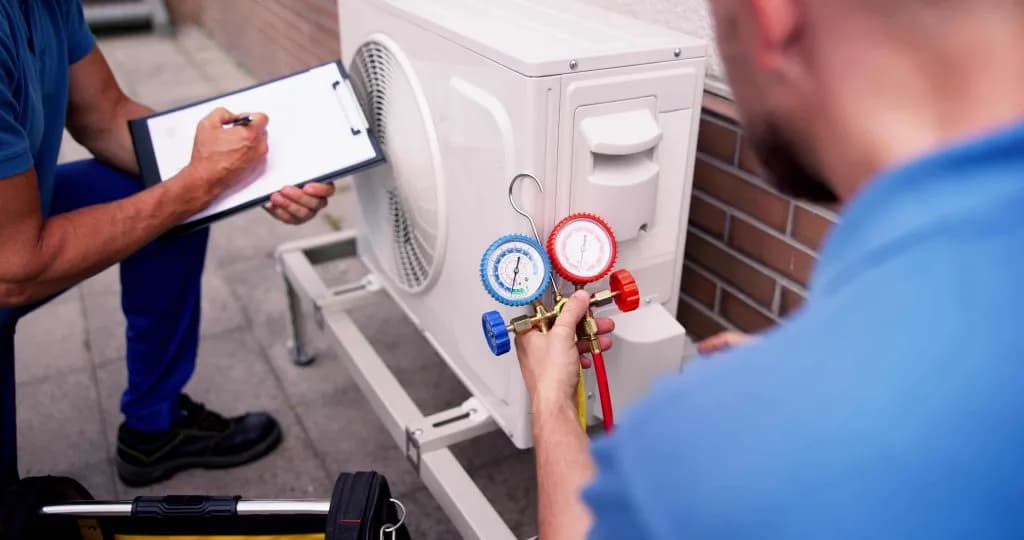
Aspen —The wind off the Rockies doesn’t care about your comfort. It cuts through jackets, rattles window panes, and turns the Eagle Valley into a cold storage unit for half the year. But inside those homes, something is shifting. Homeowners are staring at their utility bills and realizing that burning fossil fuels to stay warm is becoming a luxury they can no longer afford — or justify.
The solution, surprisingly, isn’t a new furnace. It’s a heat pump.
You’ve heard the buzz. Maybe you saw it on a neighbor’s roof or read about it in a local paper. After the warmest winter on record, followed by unprecedented statewide heat waves and rising natural gas prices, folks across Eagle Valley are scrambling to update their homes. They want air conditioning that actually works during those July spikes. They want safety, meaning no gas leaks or combustion risks. And they want to stop subsidizing volatile fuel markets.
A heat pump delivers on all three.
Despite the name, which sounds like it only does one thing, an air source heat pump is a “twofer.” It heats and cools. That’s the part everyone skips past, but it matters because you’re replacing two systems with one unit. Unlike a furnace that burns gas to create heat, a heat pump uses electricity to move it. In summer, it acts like an air conditioner, pulling heat from inside and dumping it outdoors. In winter? It reverses course.
There’s a persistent myth that these things fail in the cold. People assume they freeze up when the mercury drops below zero. That’s not exactly true anymore.
Enter the Cold Climate Heat Pump. These aren’t your grandparents’ units. They’re engineered for high-altitude living, using special compressors and refrigerants to extract heat from the air even when it’s freezing. Some models keep pulling warmth down to -22°F. That’s a Colorado snowstorm right there, and the system keeps running. You can leave your old gas furnace in place as a backup if you’re nervous, though most people probably won’t ever flip that switch again.
The math is getting harder to ignore. Heat pumps are more energy-efficient than traditional heating and cooling systems. They reduce your carbon footprint, which aligns directly with Eagle County’s Climate Action Plan goals: cutting greenhouse gas emissions by 50% by 2030 and 80% by 2050. Buildings already account for 41% of those emissions, according to Feinsinger’s reporting in the Vail Daily. That’s a massive lever to pull.
And then there’s Holy Cross Energy. The local utility provider has a goal of 100% renewable electricity by 2030. They’ve already hit that mark for March of this year. When your power is clean, and your heating system uses electricity to move heat rather than burn gas, the environmental impact compounds. You eliminate combustion byproducts from your home. You improve indoor air quality. And you might just eliminate that gas bill entirely.
Getting started is easier than most folks think. Almost everyone is a candidate for one. If you’re currently running electric baseboard heat, switching to a cold climate heat pump could lower your costs significantly. It’s not just about comfort anymore. It’s about resilience against a climate that’s changing faster than our infrastructure can adapt.
Stand there long enough on a steep driveway in March, watching the snow pile up against your garage door, and you’ll notice something else. The silence. No pilot light clicking. No gas line hissing. Just the quiet hum of electricity moving heat around, keeping you warm while the world outside tries to freeze solid.
Keep up with Aspen
The day's Western Slope news, one email each morning. Free.